
If your toilet stays clogged after plunging, the issue often lies beyond simple blockages. This guide explains common causes like improper technique, non-flushable items, or plumbing vent problems, and provides clear solutions to restore flow. With the right approach, you can solve this frustrating problem quickly and effectively.
Contents
- 1 Key Takeaways
- 2 Introduction: Why Your Toilet Stays Clogged Even After Plunging
- 3 Understanding Why Plunging Fails
- 4 Step 1: Assess the Situation
- 5 Step 2: Use the Right Plunger Technique
- 6 Step 3: Try a Toilet Auger
- 7 Step 4: Check for Vent Pipe Blockages
- 8 Step 5: Inspect for Mineral Build-Up
- 9 Step 6: Evaluate Sewer Line Issues
- 10 Step 7: Consider Septic System Problems
- 11 Troubleshooting Common Scenarios
- 12 Conclusion: Fix Your Toilet for Good
- 13 Author
Key Takeaways
- Improper Plunging Technique: Using the wrong plunger type or incorrect motion can fail to dislodge the clog, leaving your toilet blocked.
- Deep or Solid Blockages: Objects like wipes, toys, or excessive paper may lodge deep in pipes, unreachable by plunging alone.
- Vent Pipe Issues: Blocked plumbing vents restrict airflow, hindering drainage and causing toilets to stay clogged after plunging.
- Mineral Build-Up: Hard water deposits narrow pipes over time, reducing flow and leading to persistent clogs.
- Sewer Line Problems: Clogs in the main sewer line can cause multiple drains to backup, making plunging ineffective for the toilet.
- Toilet Trap Obstruction: The curved trap inside the toilet bowl can trap debris that a plunger can’t clear, requiring specialized tools.
- Septic System Troubles: For homes with septic tanks, a full tank or drain field failure can result in toilets that remain clogged.
Introduction: Why Your Toilet Stays Clogged Even After Plunging
Dealing with a toilet that stays clogged after plunging is a common headache. You plunge with all your might, but the water just won’t go down. It’s frustrating, messy, and can leave you feeling helpless. But don’t worry! This guide is here to help. We’ll explore the reasons why your toilet remains clogged even after plunging. You’ll learn step-by-step fixes, from simple adjustments to advanced solutions. By the end, you’ll have the knowledge to tackle this problem like a pro. Let’s dive in and get your toilet flowing smoothly again.
Many people think plunging is a cure-all. But when it fails, it’s often due to deeper issues. Understanding why your toilet stays clogged after plunging is the first step to fixing it. We’ll cover everything from tool misuse to hidden plumbing problems. With clear instructions and practical tips, you’ll save time and money. Say goodbye to clogs for good!
Understanding Why Plunging Fails
Plunging works by creating pressure waves to loosen clogs. But if your toilet stays clogged after plunging, several factors could be at play. First, the clog might be too solid or too far down. Items like sanitary products or toys don’t break down easily. Second, you might be using the wrong technique or tool. A sink plunger won’t seal well in a toilet. Third, underlying plumbing issues, like vent blockages or pipe damage, can prevent drainage. Knowing these reasons helps you choose the right solution. Let’s break them down in detail.
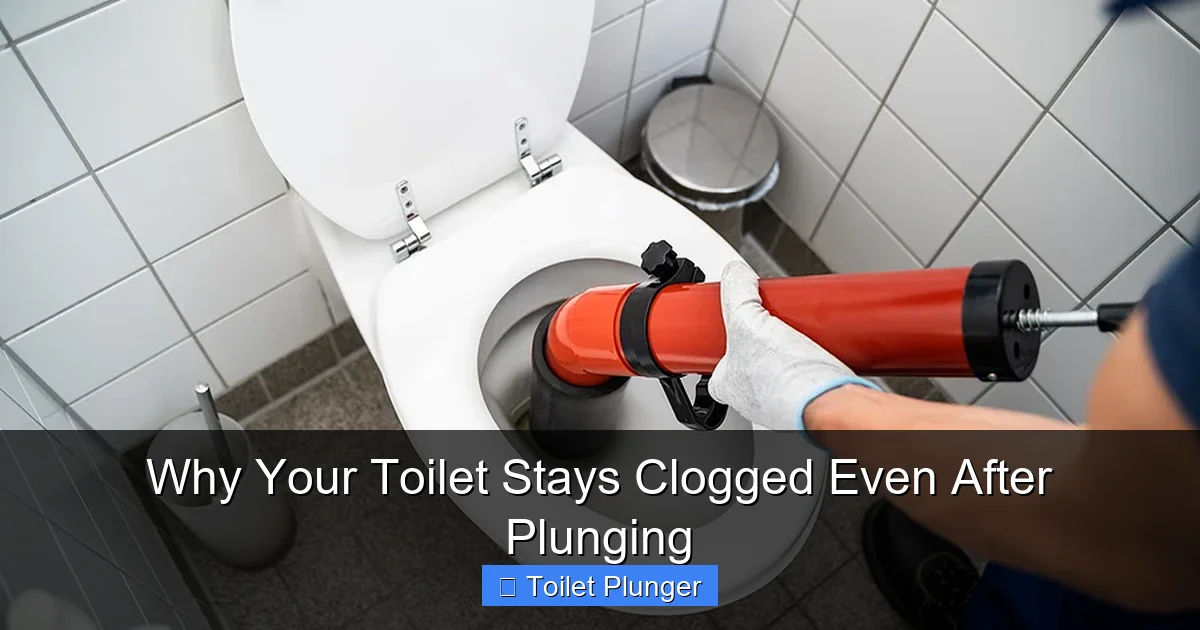
Visual guide about Why Your Toilet Stays Clogged Even After Plunging
Image source: aceplumbingbaltimore.com
For example, a partial clog might clear temporarily but return quickly. This is a sign that the blockage isn’t fully removed. Also, mineral build-up from hard water can slowly narrow pipes. This makes clogs more likely. Even tree roots in sewer lines can cause backups. By identifying the cause, you can target your fix effectively.
Step 1: Assess the Situation
Before taking action, evaluate the clog. This helps you understand why your toilet stays clogged after plunging. Start by observing the water flow and checking other drains.

Visual guide about Why Your Toilet Stays Clogged Even After Plunging
Image source: wasdenplumbing.com
Look for Visible Obstructions
Peek into the toilet bowl. Use a flashlight if needed. Sometimes, you can see the culprit, like a toy or clump of paper. If it’s within reach, wear rubber gloves and carefully remove it. Avoid pushing it further down. This simple step might solve the problem instantly.
Test Other Drains
Flush a sink or run the shower. If they drain slowly too, the clog might be in the main sewer line. This is a key clue. If only the toilet is affected, the issue is likely local. This assessment guides your next moves. It saves you from wasting effort on the wrong fixes.
Tip: Listen for gurgling sounds from other drains. This often indicates vent or sewer line problems.
Step 2: Use the Right Plunger Technique
If you haven’t plunged correctly, this could be why your toilet stays clogged after plunging. Proper technique makes a huge difference. Let’s ensure you’re doing it right.
Visual guide about Why Your Toilet Stays Clogged Even After Plunging
Image source: img.thrfun.com
Choose the Correct Plunger
Use a flange plunger designed for toilets. It has a soft rubber flap that seals better in the toilet drain. A cup plunger is for flat drains like sinks. Using the wrong type reduces effectiveness. Keep a dedicated toilet plunger on hand for quick action.
Create a Proper Seal
Place the plunger over the drain hole at the bottom of the bowl. Ensure it covers the hole completely. Add water from a bucket if the level is low. The plunger cup should be submerged. This helps create strong pressure waves. A poor seal lets air escape, weakening the plunge.
Plunge with Force and Rhythm
Push down gently at first to expel air. Then, plunge vigorously up and down 10-15 times. Maintain a steady rhythm. On the last plunge, pull up sharply to suck the clog out. Repeat if necessary. Be patient—it may take several attempts.
Example: Imagine you’re pushing and pulling a piston. This motion generates the force needed to dislodge blockages. If water starts draining, flush to test. If not, move to the next step.
Common Mistakes to Avoid
Don’t plunge too harshly, as this can damage seals or pipes. Avoid using chemical cleaners before plunging—they can create harmful fumes. Also, ensure the plunger is clean and flexible for best results.
Step 3: Try a Toilet Auger
When plunging fails, a toilet auger or snake is your next tool. It reaches deeper into the pipes to break up or retrieve clogs. This is often the solution when your toilet stays clogged after plunging.
How to Use a Toilet Auger
Insert the auger’s end into the toilet drain. Slowly crank the handle to extend the flexible cable. Feel for resistance—that’s the clog. Keep cranking to break it up or hook it. Then, retract the cable carefully, pulling out any debris. Flush to test the flow.
Safety Precautions
Wear gloves and eye protection. Go slowly to avoid scratching the porcelain. If you meet heavy resistance, stop to prevent damage. Augers are affordable and available at hardware stores. They’re a must-have for tough clogs.
Tip: For recurring clogs, an auger can ensure complete removal. It’s more effective than plunging for solid objects.
Step 4: Check for Vent Pipe Blockages
Plumbing vents allow air into the system for proper drainage. If blocked, your toilet stays clogged after plunging because suction can’t form. Vents are usually on the roof, and debris like leaves or bird nests can clog them.
Locate the Vent Pipe
Look for a pipe protruding from your roof. It’s typically near bathrooms. Use caution when accessing the roof—wear non-slip shoes and use a ladder safely. If you’re uncomfortable, skip to professional help.
Clear the Vent
Use a garden hose to flush water down the vent. Or, insert a plumber’s snake to clear debris. This restores airflow and can quickly fix drainage issues. If water backs up during flushing, the vent is likely clear.
Example: One homeowner found a tennis ball in their vent pipe, causing repeated clogs. After removal, the toilet worked perfectly.
Step 5: Inspect for Mineral Build-Up
Hard water leaves mineral deposits like lime scale in pipes. Over time, this narrows the passage, causing clogs. This slow process can make your toilet stay clogged after plunging, as water flow is restricted.
Signs of Mineral Build-Up
Look for white or green scale on toilet fixtures, reduced water flow, and frequent clogs. If you have hard water, this is a likely culprit. Test your water hardness with a kit or consult local data.
Solutions for Mineral Build-Up
Use a descaling agent or a vinegar soak. Pour white vinegar into the bowl and let it sit overnight. For severe cases, a plumber might need to replace sections of pipe. Regular maintenance can prevent this issue.
Tip: Install a water softener to reduce mineral content. This protects your entire plumbing system.
Step 6: Evaluate Sewer Line Issues
If multiple drains are slow, the sewer line might be clogged. This is a serious reason why your toilet stays clogged after plunging. Tree roots, grease, or collapsed pipes can block the main line.
Symptoms of Sewer Line Clogs
Watch for gurgling sounds from drains, water backing up in showers or basements, and foul odors from toilets. These signs indicate a systemic problem beyond the toilet.
How to Address Sewer Line Problems
Locate the cleanout plug outside your home. Use a drain snake from there to clear the line. If that fails, call a plumber for camera inspection and hydro-jetting. This professional service can clear roots and debris effectively.
Example: A family avoided costly repairs by catching root intrusion early with a camera inspection.
Step 7: Consider Septic System Problems
For homes with septic tanks, a full tank or failed drain field can cause toilets to clog. If your toilet stays clogged after plunging and you have a septic system, this might be why.
Check Septic Tank Levels
Have your septic tank pumped every 3-5 years. If it’s full, waste can’t flow out, leading to backups. Signs include slow drains and sewage smells in the yard.
Maintain Your Septic System
Avoid flushing non-biodegradable items like wipes or diapers. Use septic-safe toilet paper and cleaners. Get annual inspections to catch issues early. Proper care prevents clogs and extends system life.
Troubleshooting Common Scenarios
Here are quick fixes for specific situations where your toilet stays clogged after plunging. These tips handle recurring or tricky clogs.
Clog Returns Quickly
This might indicate a partial clear or recurring issue. Use a toilet auger to ensure the clog is fully removed. Also, check for habits like flushing too much paper.
Water Drains But Slowly
Mineral build-up or vent issues could be the cause. Follow steps 4 and 5. Regularly clean vents and descale pipes to improve flow.
Toilet Overflows When Plunged
Stop plunging immediately to avoid mess. Use a wet-dry vacuum to remove water, then try an auger. If that fails, call a plumber. This often signals a severe blockage.
No Tools Available
In a pinch, use hot water and dish soap. Pour a cup of soap into the bowl, then add a gallon of hot water. Wait 30 minutes. The soap can lubricate the clog, helping it slide down. This is a temporary fix until you get tools.
Conclusion: Fix Your Toilet for Good
Now you know why your toilet stays clogged after plunging. From proper plunging techniques to checking vents and sewer lines, we’ve covered all bases. Start with simple steps and escalate as needed. Remember, prevention is key. Avoid flushing wipes, paper towels, and other non-flushables. Regular maintenance can save you from future headaches.
If DIY methods don’t work, don’t hesitate to call a plumber. Sometimes, professional expertise is the best solution. With this guide, you’re equipped to tackle clogs confidently. Share these tips with friends and family—everyone deserves a clog-free toilet!