Yes, you can use a desk lamp as a grow light, but success depends entirely on the bulb you use and the plants you choose. Standard incandescent or halogen bulbs are poor choices, but by swapping in a full-spectrum LED or a dedicated grow bulb, you can create an effective mini grow station for low-light houseplants, herbs, or seedlings. Proper placement and timing are crucial to avoid burning your plants or providing insufficient light.
Have you ever looked at a sad, leggy seedling or a houseplant stretching desperately toward the window and thought, “I wish I could give it more light”? Then, your eyes drift to that spare desk lamp in the corner. A brilliant, thrifty idea sparks: can I use a desk lamp as a grow light?
The short answer is a hopeful “yes, but…” It’s one of the most common hacks in urban gardening. Not all desk lamps and certainly not all light bulbs are created equal for this task. Turning your desk lamp into a plant’s personal sun requires a bit of know-how.
This guide will walk you through everything. We’ll cover the science of light in simple terms, show you exactly which bulbs to buy, and teach you how to set up your DIY grow station. You’ll learn which plants will thank you and which will just laugh at your efforts. Let’s bring your plants back from the brink with a simple desk lamp solution.
Contents
- 1 Key Takeaways
- 2 📑 Table of Contents
- 3 The Simple Science of Light for Plants
- 4 Choosing the Right Bulb: The Heart of the Operation
- 5 How to Set Up Your Desk Lamp Grow Light
- 6 Best Plants for a Desk Lamp Grow Light
- 7 Limitations and When to Upgrade
- 8 Safety First: A Crucial Checklist
- 9 Conclusion: A Bright Idea for Small-Scale Growing
- 10 Frequently Asked Questions
- 10.1 Can I use a regular LED bulb from the hardware store as a grow light?
- 10.2 How many hours a day should I leave the desk lamp on for my plants?
- 10.3 Will a desk lamp grow light work for succulents?
- 10.4 Is it safe to leave a grow light bulb in my desk lamp on all day?
- 10.5 Can I use a desk lamp to grow basil or other herbs indoors?
- 10.6 Why are my plants still leggy even with the desk lamp grow light?
- 11 Author
Key Takeaways
- Bulb Type is Everything: The lamp itself is just a holder; the bulb provides the light. You must use a full-spectrum LED or a compact fluorescent (CFL) grow bulb for any real benefit.
- Ideal for Low-Light Plants: A desk lamp grow light is best suited for supplementing light for shade-tolerant houseplants (like pothos or snake plants), nurturing herbs on a kitchen counter, or starting seedlings.
- Distance and Duration Matter: Place the bulb 6-12 inches from your plants to prevent heat damage and ensure light intensity is adequate. Provide 12-16 hours of light per day using a timer.
- Not for Fruiting or Flowering: Most desk lamp setups lack the intense, targeted light output needed for light-hungry plants like tomatoes, peppers, or flowering orchids to thrive and produce.
- Check for Heat Safety: Ensure your lamp’s fixture can handle the wattage of the new bulb and that the bulb doesn’t emit excessive heat that could harm the plant or the lamp shade.
- A Cost-Effective Starter Solution: Using a desk lamp you already own with a $10-$30 grow bulb is a perfect, low-risk way to dip your toes into indoor gardening without buying a dedicated grow light system.
📑 Table of Contents
The Simple Science of Light for Plants
Plants don’t use all light the same way we see it. They primarily use specific colors, or wavelengths, for photosynthesis. Think of it as their food recipe.
Photosynthesis and the Light Spectrum
Blue light is crucial for healthy leaf and stem growth. It keeps plants compact and bushy. Red light is key for flowering, fruiting, and root development. A “full-spectrum” light tries to mimic the sun by providing a balance of all colors, including these vital blues and reds.
Your goal is to provide this balanced spectrum. A standard warm-white bulb from your living room lamp is heavy on yellows and greens—colors plants use less—and is almost useless for growth.
Light Intensity: The Deal-Breaker
Intensity is how bright the light is when it hits the leaves. A dim bulb, even if it’s full-spectrum, won’t power much growth. Desk lamps often have lower intensity than dedicated, high-powered grow lights. This is why they are perfect for some jobs and terrible for others. We’ll get to which plants fit which category soon.
Choosing the Right Bulb: The Heart of the Operation
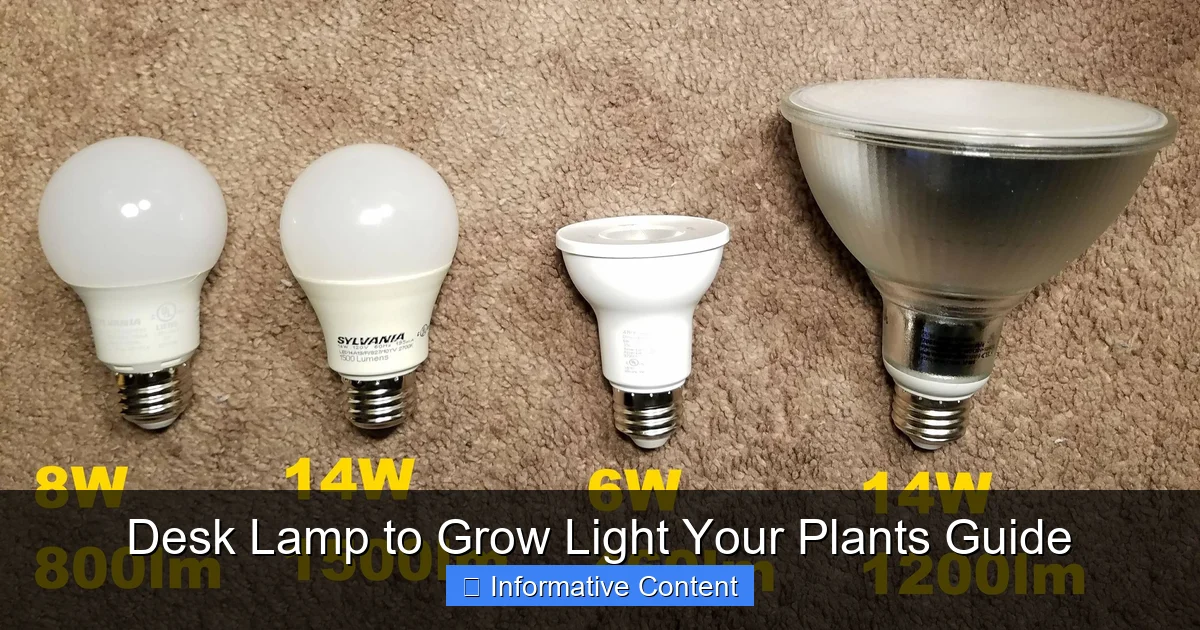
This is the most important section. The lamp fixture is just a socket and a stand. The bulb does all the work. Here are your options, from worst to best.
Visual guide about Desk Lamp to Grow Light Your Plants Guide
Image source: i.imgur.com
Bulbs to Avoid Completely
Standard Incandescent Bulbs: These are the old-fashioned, energy-wasting bulbs. They emit mostly heat and a light spectrum plants can’t use well. They will cook your plant before they help it grow.
Halogen Bulbs: Similar to incandescents, they are extremely hot and inefficient for plant growth. The risk of leaf burn is very high.
Bulbs That Can Work (With Caveats)
Compact Fluorescent Lamps (CFLs): A standard “daylight” or “cool white” CFL bulb emits more blue light and can work in a pinch for low-light plants or seedlings. For better results, look for CFL bulbs specifically labeled as “grow lights.” They are affordable and don’t get too hot.
The Best Bulb for the Job
Full-Spectrum LED Bulbs: This is your winner. Modern LED technology is perfect for plant growth. Look for a bulb that says “full spectrum” or “daylight” (5000K-6500K color temperature). Even better, buy an LED bulb specifically designed as a “grow light.” They are energy-efficient, emit very little heat, and last for years. They screw right into your desk lamp just like a regular bulb.
Pro Tip: When shopping, check the lumens (brightness) and color temperature (Kelvin or K). Aim for a bulb with 800+ lumens and a color temperature of 5000K or higher for vegetative growth.
How to Set Up Your Desk Lamp Grow Light
You’ve got the right bulb. Now, let’s set it up for success. A bad setup can undo all your good bulb choices.
Visual guide about Desk Lamp to Grow Light Your Plants Guide
Image source: i.imgur.com
Finding the Perfect Distance
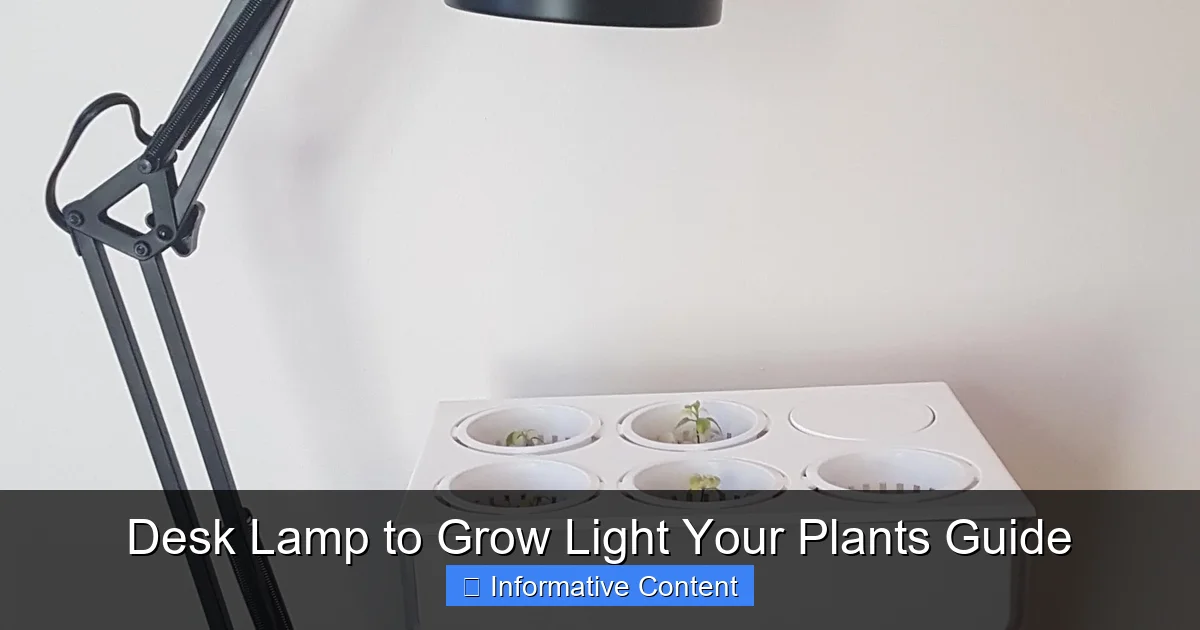
This is a balancing act. Too close, and you risk heat damage (even with LEDs) or light burn. Too far, and the light becomes too weak. A good rule of thumb for seedlings and low-light plants is 6 to 12 inches away from the top leaves.
The Hand Test: A classic trick. Place your hand where the plant’s leaves are. If you feel noticeable warmth on your skin after 30 seconds, the light is too close and needs to be moved higher.
Timing is Everything: Using a Timer
Plants need a day/night cycle, just like in nature. Leaving the light on 24/7 stresses them out. Most houseplants and herbs do best with 12 to 16 hours of light followed by 8-12 hours of darkness.
The easiest solution? A simple, cheap outlet timer. Plug your lamp into it, set it, and forget it. Your plants get a consistent “sunrise” and “sunset” every day, even when you’re busy or away.
Positioning and Reflecting Light
Adjust your lamp so the light shines directly down onto the plant. If your lamp has a shade, make sure it’s not blocking light. For a small boost, you can place a piece of white cardboard or foil around the plant to reflect light back onto its lower leaves.
Best Plants for a Desk Lamp Grow Light
Manage your expectations. A single desk lamp won’t grow a lemon tree. But it will happily support these plant categories.
Visual guide about Desk Lamp to Grow Light Your Plants Guide
Image source: images-na.ssl-images-amazon.com
Low-Light Houseplants
These are the perfect candidates. A desk lamp provides the perfect supplemental light to keep them from getting leggy. Great examples include:
- Pothos
- Snake Plant (Sansevieria)
- ZZ Plant
- Peace Lily
- Philodendron
Herbs and Leafy Greens
Want fresh basil or cilantro in your kitchen year-round? A desk lamp with a strong full-spectrum LED can keep a small pot of herbs thriving on a countertop away from windows. Microgreens and lettuce starters also do well.
Starting Seeds and Seedlings
This is one of the best uses. Seedlings need consistent, bright light to grow stout and strong, not tall and weak. A desk lamp positioned a few inches above a seed tray is an ideal nursery.
Plants to Avoid
Do not try to grow fruiting vegetables (tomatoes, peppers), flowering plants like roses, or high-light succulents (e.g., many cacti, echeveria) under a standard desk lamp. They require much more intense light than this setup can provide.
Limitations and When to Upgrade
A desk lamp grow light is a fantastic tool, but it’s not magic. Know its limits.
Limited Coverage Area
A single bulb will only effectively cover a small area—about the size of a dinner plate. Don’t expect it to light up a whole shelf of plants.
Lower Light Intensity
It won’t match the power of a $100+ panel grow light. This means growth will be slower, and you can’t support high-light plants.
Signs You Need a Dedicated Grow Light
Upgrade if you see: 1) Your plants are still stretching and leaning, 2) You want to grow a larger number of plants, 3) You’re trying to get peppers or strawberries to fruit indoors, or 4) Your seedlings are weak and spindly even with the lamp close.
Safety First: A Crucial Checklist
Never compromise on safety when mixing electricity, light, and water.
- Check Wattage Ratings: Ensure your lamp’s maximum wattage is higher than the wattage of your new grow bulb (especially important for CFLs).
- Mind the Heat: Keep all bulbs, even LEDs, away from water, flammable materials, and lamp shades that could overheat.
- Use a GFCI Outlet: If your setup is near a sink or in a humid area, plug into a Ground Fault Circuit Interrupter outlet to prevent shock hazards.
- Secure the Lamp: Make sure your lamp has a stable base so it can’t be easily knocked over onto your plants or the floor.
Conclusion: A Bright Idea for Small-Scale Growing
So, can you use a desk lamp as a grow light? Absolutely. It’s a clever, accessible, and low-cost entry point into the world of indoor gardening. The key is to respect the process: choose the right full-spectrum LED or CFL grow bulb, position it carefully, and stick to plants that match the light’s capability.
This simple hack can mean the difference between a struggling plant and a thriving one. It can bring the joy of fresh herbs to your winter kitchen or give your seedlings the strong start they deserve. Grab that spare lamp, screw in the right bulb, and watch your little green friends respond with gratitude. Happy growing!
Frequently Asked Questions
Can I use a regular LED bulb from the hardware store as a grow light?
Yes, if it’s a “daylight” or “full spectrum” bulb with a color temperature of 5000K or higher. While not as optimized as a dedicated grow bulb, it provides the blue light plants need for foliage growth and is far better than a standard soft-white bulb.
How many hours a day should I leave the desk lamp on for my plants?
Most common houseplants and herbs need 12 to 16 hours of light per day. Using an outlet timer is the easiest way to provide this consistent light cycle without having to remember to turn the lamp on and off.
Will a desk lamp grow light work for succulents?
It depends. Low-light succulents like Haworthia or Gasteria might be okay, but most popular succulents (like Echeveria) need very intense, direct light. A single desk lamp usually isn’t powerful enough and may cause them to become stretched and weak.
Is it safe to leave a grow light bulb in my desk lamp on all day?
While modern LED bulbs are cool and energy-efficient, you should not leave them on 24/7. Plants require a dark period for respiration. Furthermore, continuous operation can shorten the bulb’s lifespan. Always use a timer for a daily cycle.
Can I use a desk lamp to grow basil or other herbs indoors?
Absolutely! Herbs like basil, parsley, cilantro, and mint are excellent candidates for a desk lamp grow light setup. Use a strong full-spectrum LED bulb placed 6-8 inches above the plants for 14-16 hours a day to keep them producing fresh leaves.
Why are my plants still leggy even with the desk lamp grow light?
Legginess means the light isn’t intense enough or is too far away. Try moving the bulb closer (without burning the leaves). If that doesn’t help, the bulb itself may not be bright enough (check lumens), or the plant may simply require more light than a desk lamp can provide.