Silicone toilet brushes use flexible, non-porous silicone bristles to scrub and squeegee toilet surfaces. They are praised for being hygienic and easy to clean but require a specific technique for best results. This guide will show you exactly how to use one effectively and decide if it’s the right choice for your bathroom.
Contents
- 1 Key Takeaways
- 2 Do Silicone Toilet Brushes Really Work Well? A Complete How-To Guide
- 3 How Silicone Toilet Brushes Are Designed to Work
- 4 Step-by-Step: How to Use a Silicone Toilet Brush Effectively
- 5 Practical Tips for Maximum Effectiveness
- 6 Troubleshooting Common Issues
- 7 Conclusion: Should You Make the Switch?
- 8 Author
Key Takeaways
- They Work Differently: Silicone brushes rely on a squeegee-like wiping action more than abrasive scrubbing, which is highly effective on smooth porcelain.
- Superior Hygiene is the Main Draw: Non-porous silicone doesn’t harbor bacteria or odors like traditional bristles, making the brush itself much cleaner.
- Proper Technique is Crucial: To get great results, you must use a “press and glide” method with adequate cleaning solution dwell time.
- Easy to Clean and Maintain: You can rinse silicone brushes completely clean and even sanitize them in the dishwasher or with boiling water.
- Not Ideal for All Stains: They can struggle with heavy, baked-on mineral stains or rust without the abrasion of traditional bristles.
- Consider Your Toilet’s Condition: They work best in newer, well-maintained toilets with smooth bowls rather than older, scratched porcelain.
- An Eco-Friendly Option: Their durability and cleanability often lead to less frequent replacement, reducing plastic waste.
Do Silicone Toilet Brushes Really Work Well? A Complete How-To Guide
Are you tired of that gross, damp, and smelly toilet brush sitting in its holder? The silicone toilet brush promises a solution. It claims to be more hygienic, easier to clean, and just as effective. But does it really work well? The short answer is yes, but with a big “it depends.”
This guide will walk you through everything. You will learn how silicone brushes work, their real pros and cons, and the exact steps to use one for a sparkling clean toilet. By the end, you’ll know if this modern tool is the right fit for your bathroom cleaning routine.
How Silicone Toilet Brushes Are Designed to Work
First, let’s understand the tool. A traditional brush uses stiff, porous nylon bristles to scrub away grime. A silicone toilet brush is fundamentally different.
Visual guide about Do Silicone Toilet Brushes Really Work Well
Image source: gentleskinbrush.com
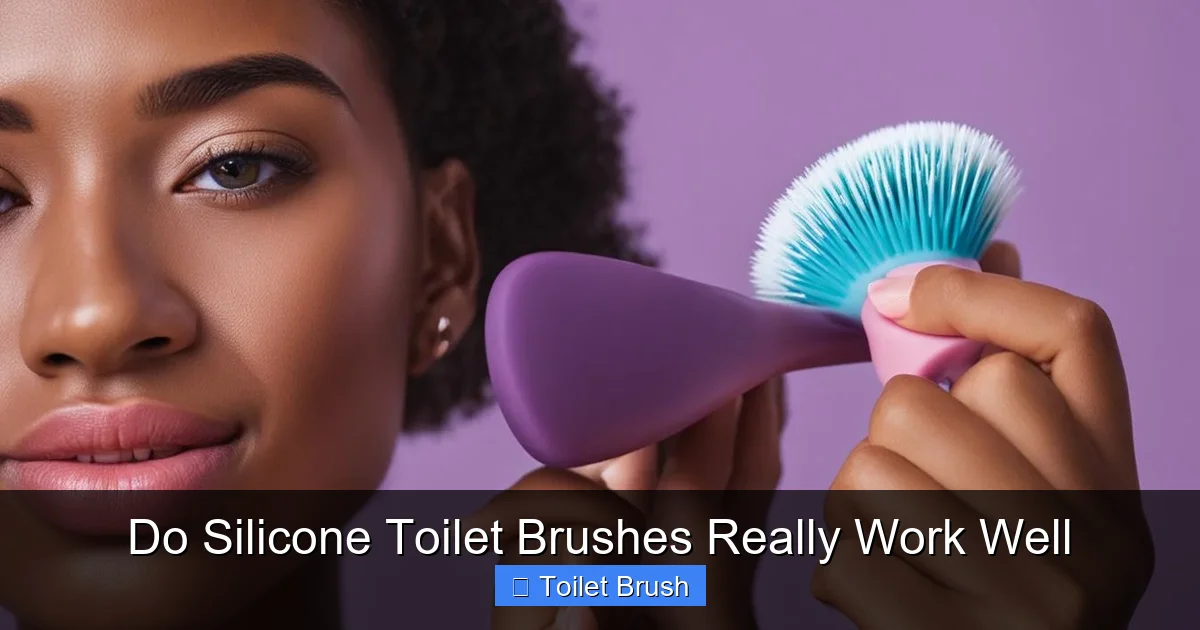
Its “bristles” are actually dozens of flexible, non-porous silicone fingers or flaps. They are much softer. Their primary action is not abrasive scrubbing, but wiping and squeegeeing.
Think of it like using a silicone spatula to clean a bowl. The flexible material conforms to the curve of the toilet bowl. It pushes water and cleaning solution under its flaps to break up residue. Then, it wipes it clean as you glide it along the surface.
This design is why hygiene is their biggest selling point. Bacteria and odors cannot soak into solid silicone like they do into traditional bristle clusters. This means the brush itself stays cleaner.
Step-by-Step: How to Use a Silicone Toilet Brush Effectively
Using a silicone brush wrong leads to frustration. Follow these steps to get the best clean possible.
Visual guide about Do Silicone Toilet Brushes Really Work Well
Image source: rysilicone.com
Step 1: Choose and Apply Your Cleaning Solution
Do not just use plain water. A cleaning solution is essential to break down waste and stains before wiping.
- Liquid toilet cleaner is ideal. Squirt it under the rim and around the bowl.
- Let it dwell for 5-10 minutes. This dwell time is more critical than with a abrasive brush. The solution needs to do the initial chemical breakdown.
- You can also use a paste of baking soda and vinegar or a diluted all-purpose cleaner for a natural approach.
Step 2: The Correct Scrubbing Motion
This is the most important step. Forget the vigorous back-and-forth scrubbing you use with a normal brush.
- Press the silicone head firmly against the bowl surface, especially under the rim.
- Glide it slowly and methodically around the entire bowl. Use overlapping passes.
- Focus on the wipe action. You are spreading the cleaning solution and wiping the dissolved grime away.
- For tougher spots, you may need to press harder and make several focused passes.
Step 3: Rinsing and Cleaning the Brush Itself
This is where the silicone brush shines. After scrubbing, flush the toilet. Hold the brush in the swirling water to rinse off any debris.
Then, take it to the sink. Because silicone is non-stick and non-porous, you can rinse it under hot tap water until it is visually and physically clean. No gunk hides in the core. Shake off excess water.
Step 4: Drying and Storage
Proper drying prevents any mildew. Shake the brush vigorously. Place it back in its holder or stand, ensuring the silicone head is exposed to air and not trapped in a closed container. Many stands are designed to keep the head elevated and ventilated.
Practical Tips for Maximum Effectiveness
- Clean More Frequently: Silicone brushes excel at maintenance cleaning. Don’t let stains build up for weeks.
- Use a Pumice Stone for Stubborn Stains: For hard water or rust rings the silicone can’t lift, use a dedicated pumice stone first, then wipe clean with the silicone brush.
- Deep Clean the Brush Monthly: Even though it rinses clean, sanitize it monthly. You can place the silicone head in a dishwasher top rack, soak it in a bleach solution, or pour boiling water over it.
- Check Your Toilet Bowl Surface: If your porcelain is old, scratched, or pitted, a traditional bristle brush might provide the necessary abrasion that a silicone brush cannot.
Troubleshooting Common Issues
Having problems? Here are some fixes.
Visual guide about Do Silicone Toilet Brushes Really Work Well
Image source: itsmam.com
Issue: The brush is just pushing dirt around, not cleaning it.
Solution: You’re likely not using enough cleaning solution or not letting it dwell. Apply more cleaner and wait longer before scrubbing. Also, ensure you are pressing firmly enough to create that squeegee seal.
Issue: It leaves streaks or a film behind.
Solution: This can happen if the bowl wasn’t fully rinsed or if you used a very thick cleaner. After cleaning, do a final flush and use the brush to “rinse” the bowl walls with clean water. Consider using a less viscous cleaner.
Issue: The brush smells after storage.
Solution: It probably wasn’t completely dry. Rinse it with a vinegar solution, shake it thoroughly, and store it in a well-ventilated holder. Never put it away dripping wet.
Conclusion: Should You Make the Switch?
So, do silicone toilet brushes really work well? Yes, they work very well for their intended purpose: hygienic, routine cleaning of standard toilets. They are a fantastic choice if you value a clean brush as much as a clean toilet. Their easy rinse-off and sanitizing capabilities are unmatched.
However, they are not a magic bullet. If your toilet has severe, neglected stains, the lack of abrasive power might be a drawback. They also require a slight adjustment in your cleaning technique.
For most modern households looking for a more sanitary and less gross cleaning tool, a silicone toilet brush is an excellent and effective upgrade. Give it a try with the right method, and you may never go back to a bristly, bacteria-harboring brush again.
🎥 Related Video: Toilet Brush Showdown | Silicone Toilet Brush vs Regular
📺 Clean Freak & Germaphobe
Which toilet brush is best, the regular toilet brush or the newer more hygienic silicone toilet brush? Today I’m going to clean a …