
Finding the best indoor plant for beginners and low light doesn’t have to be overwhelming. This guide reveals the top 5 nearly foolproof desk plants that thrive in dim corners, with simple care steps to keep them healthy. You’ll learn exactly how to choose, pot, water, and troubleshoot your new green friend for stress-free success.
Contents
- 1 Key Takeaways
- 2 What Is the Best Indoor Plant for Beginners and Low Light? Your Stress-Free Guide
- 3 Why Low Light Plants Are Perfect for Beginners
- 4 Top 5 Best Indoor Plants for Beginners in Low Light
- 4.1 1. ZZ Plant (Zamioculcas zamiifolia) – The Unkillable Champion
- 4.2 2. Snake Plant (Sansevieria) – The Air-Purifying Powerhouse
- 4.3 3. Pothos (Epipremnum aureum) – The Cascading Beauty
- 4.4 4. Peace Lily (Spathiphyllum) – The Humidity Hero
- 4.5 5. Cast Iron Plant (Aspidistra elatior) – The Vintage Survivor
- 5 How to Choose Your First Low-Light Desk Plant
- 6 Step-by-Step Care Guide for Low-Light Desk Plants
- 7 Troubleshooting Common Low-Light Plant Problems
- 8 Why This Approach Works for Beginners
- 9 Conclusion: Your Green Journey Starts Now
- 10 Author
Key Takeaways
- Low light ≠ no light: All plants need some indirect brightness; avoid pitch-black rooms.
- ZZ Plant is the ultimate beginner champion: Tolerates neglect, low light, and irregular watering.
- Water less, not more: Overwatering kills more houseplants than underwatering—always check soil first.
- Desk-friendly size matters: Choose compact varieties like Pothos or Snake Plants for small spaces.
- Skip fertilizer for the first 6 months: New plants don’t need extra nutrients; focus on proper light/water.
- Brown tips mean dry air: Mist leaves weekly or use a pebble tray for humidity-loving plants.
- Start with one plant: Master care for a single species before expanding your collection.
What Is the Best Indoor Plant for Beginners and Low Light? Your Stress-Free Guide
So you want to bring some green into your workspace or home, but you’re worried about killing it? Maybe your desk sits far from a window, or your apartment feels a bit dim. Don’t panic! The best indoor plant for beginners and low light isn’t a myth—it’s a reality waiting for you. In this guide, you’ll discover exactly which plants thrive where others fail, how to care for them without a green thumb, and why starting simple sets you up for long-term success. No fancy equipment or daily rituals needed—just smart choices and a little know-how.
We’ll compare the top 5 desk-friendly plants that laugh in the face of low light and irregular care. You’ll get step-by-step instructions for potting, watering, and troubleshooting common issues. By the end, you’ll confidently pick your perfect plant and keep it thriving for years. Let’s turn those brown-thumb fears into leafy confidence!
Why Low Light Plants Are Perfect for Beginners
Low-light tolerant plants are nature’s gift to new plant parents. They’ve evolved to survive under forest canopies where sunlight is filtered and scarce—making them ideal for offices, north-facing rooms, or spaces with small windows. Unlike sun-hungry succulents or flowering plants, these varieties grow slowly and demand less attention. This slower pace gives you time to learn their needs without constant crisis management.
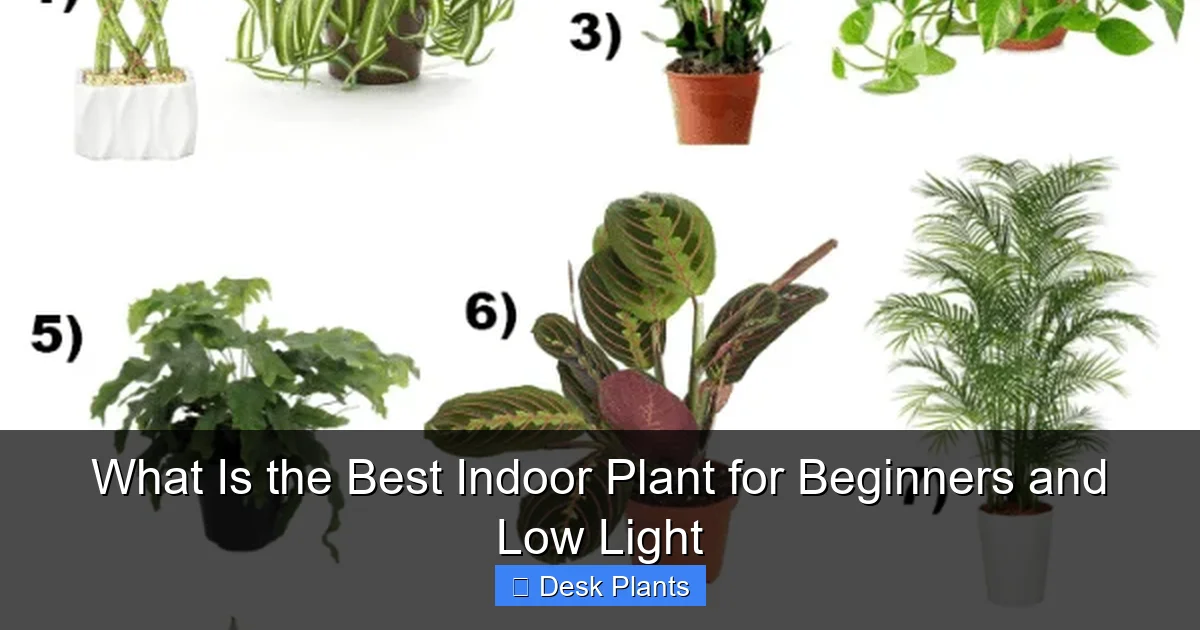
Visual guide about What Is the Best Indoor Plant for Beginners and Low Light
Image source: i.pinimg.com
More importantly, they’re resilient. Miss a watering? They’ll shrug it off. Accidentally place them in a dim corner? They’ll adapt. This forgiveness is crucial when you’re still figuring out plant care rhythms. Plus, studies show even low-light plants boost mood and productivity—so you’re not just keeping a plant alive; you’re nurturing your own well-being.
Top 5 Best Indoor Plants for Beginners in Low Light
Not all “low-light” plants are created equal. Some tolerate darkness better than others, and desk-friendly size is key. After testing dozens of varieties, these five stand out for resilience, ease of care, and compact growth:

Visual guide about What Is the Best Indoor Plant for Beginners and Low Light
Image source: media.allure.com
1. ZZ Plant (Zamioculcas zamiifolia) – The Unkillable Champion
If you could only pick one plant for your dim desk, the ZZ Plant is it. Its glossy, dark green leaves store water in rhizomes (underground stems), letting it survive weeks without watering. It thrives in fluorescent office lighting and near-dark corners—making it perfect for cubicles or windowless rooms. Plus, it grows slowly (reaching 2-3 feet tall), so it won’t outgrow your space quickly.
Why beginners love it: Tolerates total neglect, purifies air, and looks modern with its architectural shape. Avoid direct sun—it scorches the leaves.
2. Snake Plant (Sansevieria) – The Air-Purifying Powerhouse
With upright, sword-like leaves in striking patterns, Snake Plants are nearly bulletproof. They prefer low light but adapt to almost any condition, including dark bathrooms or hallways. NASA confirmed they remove toxins like formaldehyde from the air—great for home offices. Choose compact varieties like ‘Hahnii’ (6-8 inches tall) for desks.
Why beginners love it: Water only every 3-6 weeks, thrives on neglect, and propagates easily from leaf cuttings.
3. Pothos (Epipremnum aureum) – The Cascading Beauty
Pothos is the ultimate “set it and forget it” vine. Its heart-shaped leaves trail beautifully from shelves or desks, and it grows in almost any light—from bright indirect to deep shade. Golden Pothos (with yellow variegation) does best in low light; avoid variegated types like ‘Marble Queen’ which need more brightness.
Why beginners love it: Grows fast (great for quick wins), purifies air, and you can propagate cuttings in water to share with friends.
4. Peace Lily (Spathiphyllum) – The Humidity Hero
Peace Lilies bloom delicate white flowers even in low light and signal thirst by drooping dramatically—so you’ll never miss a watering. They prefer higher humidity, making them ideal for bathrooms or kitchens. Keep them away from cold drafts (like AC vents) to prevent leaf yellowing.
Why beginners love it: Tells you exactly when it needs water, blooms indoors, and removes airborne toxins.
5. Cast Iron Plant (Aspidistra elatior) – The Vintage Survivor
True to its name, this plant laughs at neglect. Cast Irons tolerate deep shade, irregular watering, and temperature swings—perfect for forgetful beginners. Its broad, dark green leaves add lush texture to corners. It grows slowly (up to 2 feet tall), so it stays manageable on desks.
Why beginners love it: Survives in near-darkness, needs water only monthly, and resists pests.
How to Choose Your First Low-Light Desk Plant
Walk into any plant shop, and you’ll see dozens of “low-light” options. Here’s how to pick the right one for your space:
Visual guide about What Is the Best Indoor Plant for Beginners and Low Light
Image source: thespruce.com
Step 1: Assess Your Light Realistically
Hold your hand 12 inches above the plant spot. If you see a faint shadow, it’s “low light.” If no shadow appears, it’s “very low light”—stick to ZZ or Cast Iron Plants. Avoid labeling a room as “low light” if it has no windows; even these plants need some ambient brightness.
Step 2: Consider Your Desk Size
Measure your surface! A 12-inch Snake Plant ‘Hahnii’ fits tiny desks, while a trailing Pothos needs space to cascade. For cramped areas, choose upright plants like ZZ or Snake Plants. If you have shelf space above, Pothos is ideal.
Step 3: Check for Warning Signs
Inspect plants before buying: Avoid yellowing leaves, soft stems, or pests (look under leaves). Healthy low-light plants have firm, vibrant leaves—not pale or stretched toward light. Skip plants in tiny pots; they’re root-bound and stressed.
Step-by-Step Care Guide for Low-Light Desk Plants
Caring for these plants is simpler than you think. Follow these steps for stress-free success:
Watering: The #1 Mistake Beginners Make
Overwatering suffocates roots. Always check soil moisture first:
- For ZZ, Snake Plant, Cast Iron: Stick your finger 2 inches into the soil. Water only if dry. In low light, this could be every 3-6 weeks.
- For Pothos and Peace Lily: Water when the top 1-2 inches feel dry. Peace Lilies droop when thirsty—use this as a cue!
- Pro tip: Use room-temperature water. Cold tap water shocks roots. Empty saucers after 30 minutes to prevent rot.
Light: Maximizing Dim Spaces
Even low-light plants need some brightness. Place them within 3-6 feet of any window—north-facing is ideal. Rotate pots weekly for even growth. If leaves fade or growth stalls, move closer to light. Avoid direct sun; it burns leaves on these shade-lovers.
Potting and Soil: Keep It Simple
Most desk plants come in nursery pots. Repot only if roots crowd the drainage holes:
- Choose a pot 1-2 inches larger in diameter with drainage holes.
- Use well-draining potting mix (add perlite to regular soil for extra aeration).
- Repot in spring when growth resumes—not during winter dormancy.
Skip fertilizer for 6 months. New plants don’t need it, and excess salts harm roots.
Cleaning and Maintenance
Dust blocks light absorption. Wipe leaves monthly with a damp cloth. Trim yellow leaves at the base to encourage new growth. For trailing plants like Pothos, prune long vines to promote bushiness.
Troubleshooting Common Low-Light Plant Problems
Even the hardiest plants have issues. Here’s how to fix them fast:
Yellow Leaves: Overwatering or Poor Drainage
Yellowing lower leaves usually mean too much water. Stop watering, check roots for mushiness (root rot), and repot in fresh soil if needed. Ensure pots have drainage holes—no exceptions!
Brown Leaf Tips: Low Humidity
Common in Peace Lilies and Pothos. Mist leaves 2-3 times weekly or place the pot on a pebble tray filled with water (keep soil above water level).
Leggy Growth: Not Enough Light
Stems stretching toward light? Move the plant closer to a window or add a low-wattage LED grow light 6-12 inches above it for 6 hours daily.
Drooping Leaves: Underwatering (or Overwatering!)
Peace Lilies droop when thirsty—water deeply. If other plants droop, check soil: dry = underwatered; soggy = overwatered. Adjust accordingly.
Why This Approach Works for Beginners
Starting with one resilient plant in low light removes guesswork. You learn core skills (watering, light assessment) without juggling multiple species’ needs. As you succeed, you’ll gain confidence to try slightly more demanding plants. Remember: Plants grow slowly in low light, so don’t expect rapid changes—appreciate small wins like a new leaf or healthier color.
Most importantly, you’re building a habit. Watering when soil is dry becomes second nature. Checking for pests weekly turns into a mindful moment. This isn’t just about keeping a plant alive; it’s about creating a calming ritual in your day.
Conclusion: Your Green Journey Starts Now
Finding the best indoor plant for beginners and low light is about matching your space and lifestyle—not chasing perfection. The ZZ Plant, Snake Plant, or Pothos will thrive on your desk with minimal fuss, proving that even in dim corners, life flourishes. Remember: Low light doesn’t mean no light, water less than you think, and start with one plant to master the basics.
You don’t need a greenhouse or a botany degree to enjoy greenery. With these simple steps, you’ll transform from a nervous newbie to a proud plant parent in weeks. So grab that ZZ Plant, place it where it fits, and watch your confidence grow as fast as its leaves. Your perfect low-light companion is waiting—and it’s tougher than you think.
🎥 Related Video: Top Low-Light Indoor Plants 🌿 | Perfect for Dark Corners!
📺 Plant Whisper Secrets
No sunlight? No problem! ☁️ These amazing low-light indoor plants thrive in near darkness, making them perfect for …