
Transform your workspace with resilient desk plants that purify air and boost mood without demanding hours of care. This guide reveals the best low-maintenance indoor plants for beginners, plus foolproof setup and care routines. You’ll learn exactly what plants are good for inside, ensuring they thrive in your unique environment.
Contents
- 1 Key Takeaways
- 2 Why You Absolutely Need Plants on Your Desk (and Which Ones Truly Thrive)
- 3 Choosing Your Perfect Desk Plant: The Low-Maintenance Shortlist
- 3.1 1. The Indestructible Classic: Snake Plant (Sansevieria)
- 3.2 2. The Glossy Green Machine: ZZ Plant (Zamioculcas zamiifolia)
- 3.3 3. The Cascading Beauty: Pothos (Epipremnum aureum)
- 3.4 4. The Air-Purifying Workhorse: Spider Plant (Chlorophytum comosum)
- 3.5 5. The Elegant Bloom: Peace Lily (Spathiphyllum)
- 4 Setting Up for Success: Your Desk Plant Starter Kit
- 5 Your Foolproof Low-Maintenance Care Routine
- 6 Troubleshooting Common Desk Plant Problems
- 7 Styling Your Desk Oasis: Beyond the Basics
- 8 Conclusion: Your Thriving Indoor Jungle Starts Now
- 9 Author
Key Takeaways
- Prioritize low-light tolerance: Choose plants like snake plants or ZZ plants that survive in offices with minimal natural light, making them ideal for desks away from windows.
- Water sparingly, not frequently: Overwatering kills more houseplants than underwatering; most desk plants prefer the soil to dry out completely between waterings.
- Pet safety matters: Avoid toxic varieties like pothos or peace lilies if you have curious cats or dogs; opt for spider plants or Boston ferns instead.
- Start small and simple: Begin with one or two ultra-resilient plants (like a ZZ plant) before expanding your indoor jungle to avoid overwhelm.
- Placement is key: Group plants with similar light needs together and keep them away from direct heat vents or cold drafts for optimal health.
- Clean leaves regularly: Dust blocks light absorption; wipe leaves gently with a damp cloth monthly to keep plants photosynthesizing efficiently.
- Don’t fear yellow leaves: Occasional leaf drop is normal; remove yellowing leaves to redirect energy to healthy growth.
Why You Absolutely Need Plants on Your Desk (and Which Ones Truly Thrive)
Staring at a blank computer screen all day? Feeling stressed or uninspired? What if adding just one simple element could boost your focus, clean your air, and make your workspace feel instantly more alive? That element is a low-maintenance indoor plant perfectly suited for your desk. You don’t need a greenhouse or a degree in botany. The right plant can be your silent productivity partner, requiring minimal attention while delivering maximum benefits. This guide cuts through the noise to answer the burning question: what plants are good for inside, especially for busy people with limited time and light? We’ll focus on the absolute easiest, toughest desk companions that forgive forgetfulness and thrive in typical office or home office conditions. Get ready to discover how a little greenery can make a big difference.
Choosing Your Perfect Desk Plant: The Low-Maintenance Shortlist
Not all plants are created equal for indoor life, especially on a desk. The key is finding varieties naturally adapted to lower light, stable temperatures, and occasional neglect. Forget fussy ferns or sun-worshipping succulents (unless your desk has a south-facing window!). Here are the top contenders for what plants are good for inside desks, proven to be resilient and rewarding:
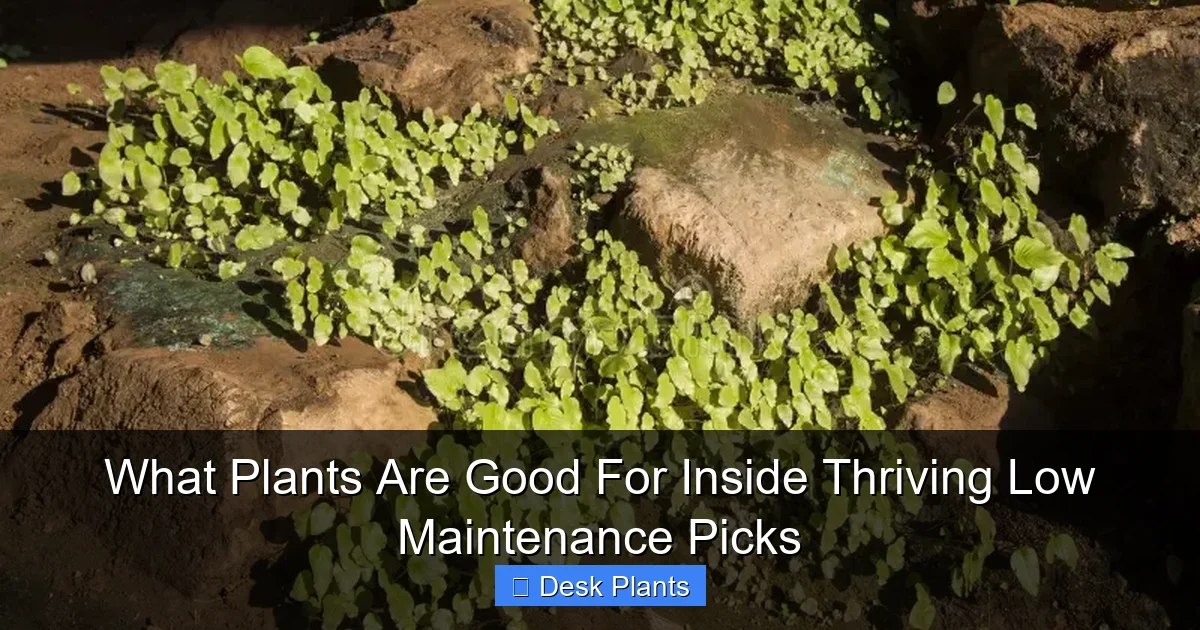
Visual guide about What Plants Are Good For Inside Thriving Low Maintenance Picks
Image source: thumbs.dreamstime.com
1. The Indestructible Classic: Snake Plant (Sansevieria)
Snake plants are the undisputed champions of low-maintenance desk greenery. Their upright, architectural leaves (often variegated with yellow or silver edges) add a modern touch. They’re famously tough because they’re native to arid regions of West Africa.
- Why it’s perfect for desks: Thrives in very low light (survives fluorescent office lighting!), purifies air exceptionally well (removes toxins like formaldehyde), and releases oxygen at night – great for stuffy rooms.
- Light Needs: Tolerates anything from deep shade to bright indirect light. Avoid harsh direct sun which can scorch leaves.
- Watering Wisdom: Water ONLY when the soil is completely dry, even bone dry. This could be every 3-6 weeks, depending on light and temperature. Overwatering causes root rot – it’s the #1 killer. Err on the side of underwatering!
- Desk Placement Tip: Place it on the corner of your desk, on a shelf above, or even on the floor nearby. Its vertical growth doesn’t take up much surface space.
2. The Glossy Green Machine: ZZ Plant (Zamioculcas zamiifolia)
With its waxy, deep green leaves growing on graceful stems, the ZZ plant brings lushness without the fuss. It’s incredibly popular for good reason – it’s nearly impossible to kill.
- Why it’s perfect for desks: Excels in low to medium light (thrives where other plants fail), stores water in its potato-like rhizomes underground, making it drought-tolerant, and is highly effective at removing airborne toxins.
- Light Needs: Prefers medium indirect light but tolerates very low light remarkably well. Avoid direct sun.
- Watering Wisdom: Water deeply only when the top 2-3 inches of soil are completely dry. This might be every 2-4 weeks. Like the snake plant, it hates soggy soil. Less is definitely more.
- Desk Placement Tip: Its compact size makes it ideal for smaller desks. Place it centrally for a focal point or off to the side. The glossy leaves reflect light nicely.
3. The Cascading Beauty: Pothos (Epipremnum aureum)
Pothos, often called Devil’s Ivy, is a trailing vine with heart-shaped leaves in shades of green, gold, or white. It’s incredibly versatile and grows quickly.
- Why it’s perfect for desks: Adapts to almost any light condition (low to bright indirect), grows rapidly, and is excellent at improving indoor air quality. Its trailing habit adds softness.
- Light Needs: Tolerates low light but grows faster and shows more vibrant variegation in medium to bright indirect light. Avoid intense direct sun.
- Watering Wisdom: Water when the top inch or two of soil feels dry. More tolerant of occasional overwatering than snake or ZZ plants, but still prefers to dry out somewhat between waterings. Reduce watering in low light.
- Desk Placement Tip: Perfect for hanging baskets above your desk, on a high shelf where it can trail down, or in a pot on the desk edge with stems cascading over. Adds vertical interest.
- Important Note: Pothos is toxic to pets if ingested. Keep it out of reach of cats and dogs.
4. The Air-Purifying Workhorse: Spider Plant (Chlorophytum comosum)
Spider plants feature arching green and white striped leaves and produce “pups” or “spiderettes” on long stems, which can be easily propagated.
- Why it’s perfect for desks: One of the best plants for removing common household toxins like carbon monoxide and xylene. Very adaptable and non-toxic to pets – a huge plus for pet owners!
- Light Needs: Prefers bright, indirect light but tolerates medium and even some low light (growth will slow). Avoid harsh direct sun.
- Watering Wisdom: Water when the top inch of soil is dry. Keep soil consistently moist but never soggy. Sensitive to fluoride in tap water, which can cause brown leaf tips; use filtered or rainwater if possible, or water thoroughly to flush salts.
- Desk Placement Tip: Ideal in a hanging basket to showcase its trailing pups, or on a desk where the pups can hang down. The pups are easy to root in water for new plants!
5. The Elegant Bloom: Peace Lily (Spathiphyllum)
Peace lilies are known for their glossy green leaves and elegant white “flowers” (actually spathes). They add a touch of sophistication.
- Why it’s perfect for desks: Exceptional air purifier (removes ammonia, benzene, and more), thrives in low to medium light, and dramatically signals when it needs water (leaves droop).
- Light Needs: Prefers low to medium indirect light. Can tolerate very low light but may bloom less. Avoid direct sun which burns leaves.
- Watering Wisdom: Water when the top inch of soil feels dry, or when you see the leaves start to droop slightly (its thirst signal). Keep soil consistently moist but not waterlogged. Likes higher humidity; mist leaves occasionally or use a pebble tray.
- Desk Placement Tip: Place it where you can enjoy the blooms, like the center of your desk or a side table nearby. The drooping signal makes it easy to know when to water.
- Important Note: Peace lilies are toxic to pets. Keep away from cats and dogs.
Setting Up for Success: Your Desk Plant Starter Kit
Getting the right plant is only half the battle. Setting it up correctly from the start prevents most common problems. Here’s your simple setup routine:

Visual guide about What Plants Are Good For Inside Thriving Low Maintenance Picks
Image source: i.pinimg.com
Step 1: Choose the Right Pot (Drainage is Non-Negotiable!)
Most desk plants come in cheap plastic nursery pots. While you can keep them, always place them inside a decorative pot with drainage holes. Without holes, water has no way to escape, leading to root rot. If you love a pot without holes, use it as a cache pot – keep the plant in its nursery pot inside the decorative one. Ensure the decorative pot is only slightly larger than the nursery pot (1-2 inches bigger in diameter).
Step 2: Use Quality Potting Mix (Skip Garden Soil!)
Never use soil from your garden. It’s too dense and may contain pests or diseases. Use a high-quality, well-draining indoor potting mix. Look for mixes labeled for houseplants or succulents/cacti (even for non-succulents, the extra drainage is good). Avoid mixes with long-lasting moisture crystals if you tend to overwater.
Step 3: Find the Sweet Spot: Light & Placement
Observe your desk area for a day:
- Bright Indirect Light: A few feet back from a sunny window (east or north-facing is ideal). No direct sun beams hitting the plant.
- Medium Light: Farther from a window, or a west-facing window with a sheer curtain.
- Low Light: Deep corners, rooms with only artificial light, north-facing rooms far from windows.
Match your plant’s needs to the available light. Remember: what plants are good for inside often means they prefer less light than you might think! Keep plants away from cold drafts (air conditioners, open windows in winter) and hot air vents.
Step 4: The First Watering: Less is More
When you bring your new plant home, check the soil moisture before watering. Stick your finger 1-2 inches down. If it’s dry, give it a good soak until water runs freely out the drainage holes. If it’s damp, wait. This initial watering helps settle the soil. Then, establish your “dry out” routine based on the plant type (see profiles above).
Your Foolproof Low-Maintenance Care Routine
The beauty of these desk plants is their simplicity. Forget complex schedules. Focus on these core practices:
Visual guide about What Plants Are Good For Inside Thriving Low Maintenance Picks
Image source: png.pngtree.com
Watering: The Golden Rule (Wait for Dry Soil!)
This cannot be overstated. Overwatering is the #1 cause of death for indoor plants. Here’s how to water correctly:
- Check, Don’t Guess: Always stick your finger into the soil (1-2 inches for most desk plants). Water ONLY when that top layer feels dry.
- Water Thoroughly: When you water, do it slowly and evenly until water flows out the drainage holes. This ensures the entire root ball gets moisture. Discard any water sitting in the saucer after 15-30 minutes.
- Adjust for Seasons: Plants need less water in winter (lower light, cooler temps slow growth) and slightly more in active growing seasons (spring/summer). Always let the soil dry out more in winter.
- Use Room Temp Water: Cold water can shock roots. Let tap water sit for a few hours to dissipate chlorine if concerned.
Pro Tip: Group plants with similar water needs together. A snake plant and ZZ plant can share a watering schedule; a peace lily might need water more often.
Light: Maximizing What You Have
Rotate your plant 90 degrees every week or two. This ensures all sides get equal light exposure, preventing lopsided growth. If your plant starts stretching dramatically towards a light source (etiolation), it needs more light – move it closer to a window or consider a small, inexpensive LED grow light (look for “full spectrum” bulbs). Remember, most desk plants prefer bright indirect light, not harsh direct sun.
Cleaning: The Secret to Happy Leaves
Dust accumulates on leaves, blocking light and reducing photosynthesis. Every 2-4 weeks, gently wipe leaves with a soft, damp cloth. For plants with many small leaves (like spider plants), give them a gentle shower in the sink (avoiding the soil getting soggy) or use a soft brush. This simple step keeps plants healthy and looking vibrant.
Feeding: Optional but Helpful
Desk plants don’t need much fertilizer. Over-fertilizing can burn roots and cause excessive, weak growth. If you want to give a boost:
- Use a balanced, water-soluble houseplant fertilizer (like 10-10-10 or 20-20-20).
- Dilute to 1/4 or 1/2 strength.
- Apply only during active growth (spring and summer), once a month or less.
- Never fertilize a dry or stressed plant. Water first.
For most low-maintenance desk plants, skipping fertilizer entirely is perfectly fine – they’ll still thrive.
Troubleshooting Common Desk Plant Problems
Even with the best care, issues can pop up. Don’t panic! Here’s how to diagnose and fix the most common problems:
Problem: Yellowing Leaves
Likely Cause: Overwatering (most common) or sometimes underwatering, nutrient deficiency, or natural aging (older leaves yellow and drop).
Solution: Check soil moisture immediately. If soggy, stop watering and let it dry out completely. If dry, water thoroughly. Remove yellow leaves to redirect energy. Ensure proper light.
Problem: Brown Leaf Tips or Edges
Likely Cause: Low humidity (very common in offices/homes with heating/AC), inconsistent watering (especially letting soil dry out too much), or fluoride/chlorine in tap water.
Solution: Increase humidity with a pebble tray (pot sitting on tray filled with water and pebbles) or occasional misting. Water more consistently, keeping soil slightly moist (not soggy) for sensitive plants like peace lilies. Use filtered or rainwater if tips keep browning.
Problem: Drooping or Wilting Leaves
Likely Cause: Usually underwatering (soil is very dry), but can also be overwatering (roots are rotting and can’t take up water).
Solution: Check soil moisture! If dry, water thoroughly. If wet and soggy, you likely have root rot – remove plant, trim black/mushy roots, repot in fresh dry soil, and water very sparingly.
Problem: Leggy Growth (Stems Stretching, Few Leaves)
Likely Cause: Not enough light. The plant is reaching for a light source.
Solution: Move the plant to a brighter location with more indirect light. If natural light is truly insufficient, add a small LED grow light. Prune back leggy stems to encourage bushier growth (great for pothos or spider plants).
Problem: Pests (Aphids, Mealybugs, Spider Mites)
Likely Cause: Dry air, stressed plant, or introduction from a new plant.
Solution: Isolate the affected plant immediately. Wipe pests off with a damp cloth or cotton swab dipped in rubbing alcohol (test on one leaf first). Spray with insecticidal soap or neem oil solution (follow product instructions). Increase humidity. Check plants regularly.
Styling Your Desk Oasis: Beyond the Basics
Once your plants are thriving, have fun making them part of your workspace aesthetic!
- Mix Heights & Textures: Combine a tall snake plant with a trailing pothos and a compact ZZ plant for visual interest.
- Choose Pots that Pop: Use pots that complement your desk decor – minimalist ceramic, woven rattan, or colorful plastic. Ensure they have drainage!
- Group Thoughtfully: Create a small “plant corner” on your desk or nearby shelf. Group plants with similar care needs together.
- Add Personality: Place a small, fun figurine among the plants or use decorative pebbles on top of the soil.
- Think Vertical: Use wall-mounted shelves or hanging planters to free up desk surface area while adding greenery.
Remember, the goal is a functional, inspiring space. Let your plants enhance your work environment, not clutter it.
Conclusion: Your Thriving Indoor Jungle Starts Now
Adding plants to your desk isn’t just about decoration; it’s a simple, science-backed way to improve your well-being, focus, and air quality every single day. You now know exactly what plants are good for inside desks – the resilient, low-maintenance champions like snake plants, ZZ plants, pothos, spider plants, and peace lilies. The key isn’t perfection; it’s understanding their basic needs: prioritize drainage, water only when dry, provide appropriate light, and clean those leaves! Start with just one plant that matches your light conditions. Observe it, learn its signals (like the peace lily’s dramatic droop), and adjust your care. Don’t be discouraged by a yellow leaf or two – it’s part of the journey. The rewards of a little greenery on your desk are immense: reduced stress, a touch of nature in your daily grind, and the quiet satisfaction of nurturing life. So, pick your first plant, set it up right, and watch your workspace transform. Your thriving indoor oasis is just a pot away!
🎥 Related Video: Top Low-Light Indoor Plants 🌿 | Perfect for Dark Corners!
📺 Plant Whisper Secrets
No sunlight? No problem! ☁️ These amazing low-light indoor plants thrive in near darkness, making them perfect for …