For best results, wash microfiber cloths after every use for tasks like car detailing or applying waxes, and after 1-3 uses for general dusting or cleaning. Proper washing preserves their static charge and scrubbing power. Always avoid fabric softeners and heat, which clog and destroy the tiny fibers.
Contents
- 1 Key Takeaways
- 2 How Often to Wash Microfiber Cloths: Your Complete Guide
- 3 Why Washing Frequency Matters for Microfiber
- 4 How Often Should You Wash? A Task-by-Task Breakdown
- 5 The Step-by-Step Guide to Washing Microfiber Cloths
- 6 Troubleshooting Common Microfiber Problems
- 7 How to Store Microfiber Cloths Between Washes
- 8 Knowing When It’s Time to Retire a Cloth
- 9 Conclusion: A Simple Routine for Lasting Performance
- 10 Author
Key Takeaways
- Wash After Specific Tasks: Always wash after using with products like wax, polish, or disinfectants to prevent cross-contamination and residue buildup.
- General Cleaning Has Flexibility: For dry dusting or wiping clean water, you can use the cloth 2-3 times before washing, provided it’s shaken out and air-dried.
- Segregate by Task and Color: Use a multi-bucket system (e.g., kitchen, glass, dusting, automotive) and wash similar cloths together to avoid staining and mixing grime.
- Use the Right Wash Cycle: A warm or hot wash (up to 140°F/60°C) with minimal detergent effectively dissolves oils without damaging fibers.
- Never Use Fabric Softener or Heat Dry: These products coat the fibers, ruining their electrostatic charge and absorbency. Always air-dry or use no-heat tumble dry.
- Pre-Wash Rinse is Crucial: Rinsing used cloths in warm water before the main wash loosens debris and prevents a muddy, set-in mess in your machine.
- Recognize When to Retire: Cloths that feel slick, leave lint, or simply don’t pick up dirt anymore have likely reached the end of their functional life.
How Often to Wash Microfiber Cloths: Your Complete Guide
You bought those premium microfiber cloths. They felt amazing. They wiped away grime like magic. But now, a few weeks later, they seem… lazy. They smear grease instead of absorbing it. They leave lint on your glass. What happened? The secret isn’t just in how you wash them, but how often you wash them.
This guide will clear up the confusion. We’ll walk through simple rules for different jobs. You’ll learn the best washing routine to make your cloths last for years. Let’s bring back that like-new performance.
Why Washing Frequency Matters for Microfiber
Microfiber isn’t just a soft cloth. It’s a high-tech cleaning tool. Each strand is split into thousands of tiny filaments. These filaments create a massive surface area. They generate a static charge that grabs dust and dirt. They also have amazing absorbency for liquids.
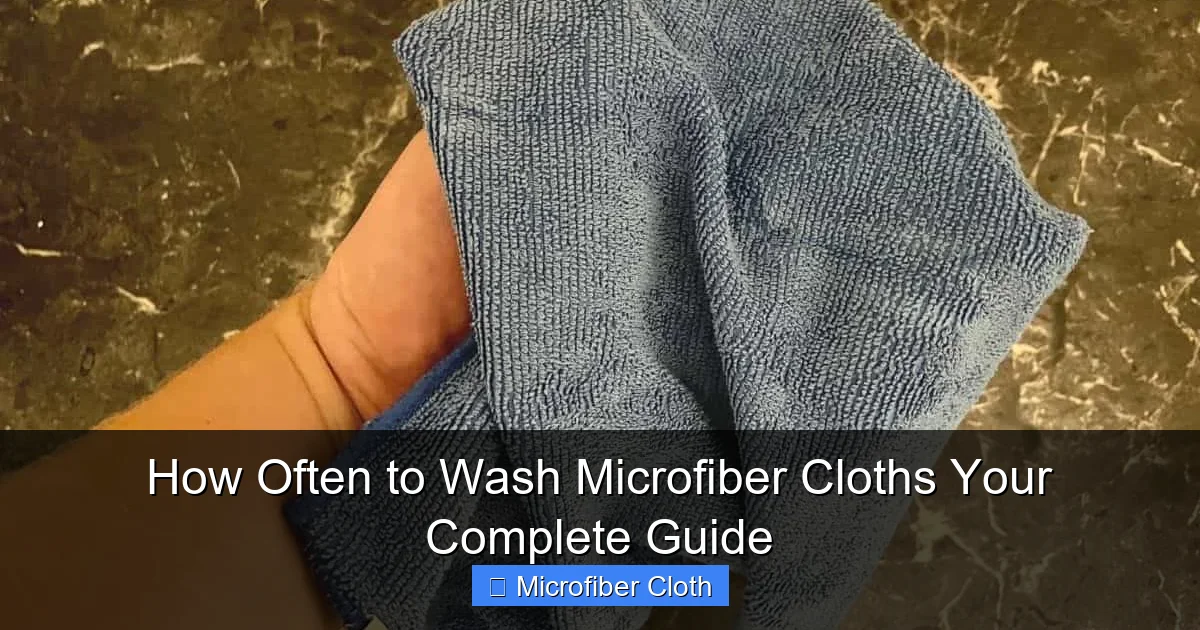
Visual guide about How Often to Wash Microfiber Cloths Your Complete Guide
Image source: organizing.tv
When you use a cloth, those microscopic spaces fill up. Dust, skin cells, oils, and product residues get trapped. If you don’t wash them out, the cloth has no room left to grab new dirt. The fibers get matted down. The static charge fades. You’re just pushing dirt around with a dirty rag.
Washing at the right time does two key things. First, it clears the fiber “hooks” so they can grab dirt again. Second, it preserves the electrostatic charge. Get the frequency right, and your cloths will work better, longer.
How Often Should You Wash? A Task-by-Task Breakdown
There’s no single rule. It depends entirely on what you cleaned. Think of it in two main categories: Jobs that need a wash after every single use, and jobs that give you a little leeway.
Wash After EVERY Use
If your cloth touched any of these, toss it in the wash bin immediately. No second chances.
- Automotive Waxes, Sealants, or Compounds: These products are designed to bond to surfaces. Left in the cloth, they harden and permanently ruin its absorbency.
- Furniture or Floor Polishes/Oils: Similar to car products, these oily residues will coat the fibers.
- Raw Meat Juices or Biohazards: For kitchen and health safety, these cloths must be sanitized after use.
- Strong Chemicals or Disinfectants: Chemicals like bleach or ammonia can break down fibers if left sitting. Rinsing and washing promptly is key.
- Extreme Grime (Mud, Grease, Tar): This level of soil will completely clog the fibers instantly.
- Bathroom Surfaces (Toilets, Sinks): To prevent spreading germs, always use a fresh or freshly washed cloth for the bathroom.
Wash After 1-3 Uses
For lighter tasks, you can get a few uses out of a cloth if you’re smart about it.
- Dusting: A dry microfiber cloth can be used on multiple dry surfaces. After each room, give it a firm snap outside to release dust. Store it flat. Wash after 2-3 full dusting sessions.
- Cleaning Glass/Mirrors with Water or Vinegar Spray: If you’re just removing water spots and light fingerprints, you can use one side for the initial wipe and the other for polishing. Wash after 2-3 windows to avoid streaking from built-up mineral deposits.
- Wiping Kitchen Counters (Dry Food Debris): For wiping up crumbs or dry spills, shake it out thoroughly. Do NOT use it on raw meat areas. Wash after 1-2 days of light use.
- Drying Dishes or Cars (Water-Only): If the cloth is only touching clean water, you can air-dry it completely and reuse it 2-3 times. Watch for any musty smell, which means it’s time to wash.
The Step-by-Step Guide to Washing Microfiber Cloths
Now you know when to wash. Here’s how to do it right every single time.
Step 1: Pre-Treatment and Sorting
Don’t just throw a pile of dirty cloths in the washer.
Shake and Rinse: Take used cloths outside and give them a good shake. Then, rinse them under warm tap water. This gets rid of the big, loose debris. It stops your washing machine from becoming a mud bath.
Sort by Color and Grime Level: Wash light-colored cloths separately from dark ones. Dye can transfer. Also, keep your really dirty garage cloths away from your lightly dusty living room cloths.
Use a Wash Bag (Optional but Helpful): A mesh lingerie bag keeps small cloths from getting lost or wrapped around the washer’s center agitator.
Step 2: Choosing Detergent and Settings
This is where most people go wrong.
Detergent: Use a small amount of liquid detergent. Powdered detergent can sometimes not fully dissolve and clog fibers. NEVER, EVER use fabric softener or dryer sheets. They coat the fibers with a waxy film. This kills their static charge and absorbency. It’s the #1 reason microfiber stops working.
Temperature: Warm to hot water is best (up to 140°F or 60°C). Hot water is great for cutting grease and oils from automotive or kitchen cloths. It helps dissolve residues without needing extra detergent.
Cycle: Use a gentle or normal cycle. Avoid heavy-duty cycles with long, aggressive agitation, as this can tear the fibers over time.
Step 3: The Perfect Drying Method
Heat is the enemy of microfiber.
Air-Drying is King: Hang them on a line, a drying rack, or over a shower rod. This is the absolute best method. It uses no energy and causes zero damage.
Machine Drying (The Safe Way): If you must use a dryer, use the lowest heat setting possible or a “no heat”/”air fluff” setting. Tumble dry only until just dry. Over-drying on heat makes the fibers brittle. Remove them promptly to avoid wrinkles.
What NOT to Do: Never iron microfiber. Never dry on a high heat setting. The synthetic fibers (usually polyester and polyamide) can melt or deform.
Troubleshooting Common Microfiber Problems
Did something go wrong? Let’s fix it.
Problem: Cloths Are Leaving Lint or Streaks.
This usually means fibers are breaking or there’s detergent residue.
- Solution: Wash them again, but this time with no detergent at all. Use hot water. This rinses out any leftover soap. Always air-dry. If the problem continues, the cloths may be worn out from previous fabric softener use or high heat.
Problem: They Smell Musty, Even After Washing.
Bacteria or mold is trapped in the fibers.
- Solution: Soak the cloths in a solution of white vinegar and warm water (a 1:4 ratio) for 30 minutes before your normal wash. You can also add half a cup of vinegar to the rinse cycle. Vinegar naturally kills mildew and removes odors without harming the fibers.
Problem: They Feel Greasy or Don’t Absorb Water.
The fibers are clogged with oils or polymer residues (from wax or polish).
- Solution: Try a “microfiber revival” wash. Use a dedicated microfiber cleaner or a small amount of dish soap (like Dawn) which is designed to cut grease. Wash in hot water. Avoid mixing these heavily soiled cloths with others.
How to Store Microfiber Cloths Between Washes
Good storage extends the time between washes.
For cloths you plan to reuse soon (like your dusting cloth), shake them out and let them air dry fully. Then, fold them and store them in a clean, dry drawer or basket. Never store a damp, bunched-up cloth. It will develop mildew quickly.
Consider a simple multi-bucket system for active cleaning. Have one bucket for “clean, dry cloths,” one for “damp-in-use cloths,” and a laundry bag or bin for “ready-to-wash” cloths. This keeps your workflow clean and organized.
Knowing When It’s Time to Retire a Cloth
Even with perfect care, microfiber cloths don’t last forever. After hundreds of washes, the fibers will eventually break down.
Signs it’s time to replace your cloth:
- It feels thin, flat, or slick instead of plush and textured.
- It leaves visible lint or threads on everything it touches.
- It constantly smears instead of cleans, even after a proper wash.
- It has permanent stains or the fabric is fraying.
Don’t be sad. You got great use out of it. Worn-out cloths can be demoted to jobs like wiping up gross messes you plan to throw them away after, or cleaning garden tools.
Conclusion: A Simple Routine for Lasting Performance
Washing microfiber cloths isn’t hard. It just requires a little know-how. Remember the golden rule: when in doubt, wash it out. It’s better to wash a cloth slightly too often than to let grime build up and ruin it.
Stick to the task-based frequency guide. Always avoid fabric softeners and high heat. Give them a good pre-rinse and let them air-dry. Follow these steps, and you’ll protect your investment. Your cloths will reward you with superior cleaning power for years to come. Now go grab that pile of dirty cloths and give them the refresh they deserve.
🎥 Related Video: Are You Washing Your Microfiber Towels Wrong?
📺 Clean That Up
Buy towels at my brand new store! https://shop.letscleanthatup.com/products/cleanthatup-custom-towel Read the blog here: …