Cleaning a toilet without a brush is not only possible but can be highly effective using common household items. This guide provides step-by-step methods, from using disposable gloves and paper towels to creating powerful natural cleaners with vinegar and baking soda. You’ll learn how to tackle stains, disinfect surfaces, and achieve a hygienic result with simple, accessible tools.
Contents
- 1 Key Takeaways
- 2 Cleaning a Toilet Without a Toilet Brush Guide
- 3 Getting Ready: Safety and Supplies First
- 4 Method 1: The Disposable Glove & Paper Towel Scrub
- 5 Method 2: The Natural Power Clean (Vinegar & Baking Soda)
- 6 Method 3: The Heavy-Duty Disposable Wipe
- 7 Method 4: The Plastic Bag “Glove”
- 8 Tackling Tough Stains Without a Brush
- 9 Troubleshooting Common Issues
- 10 Conclusion: A Clean Toilet is Within Reach
- 11 Author
Key Takeaways
- Improvisation is Key: Many household items like microfiber cloths, disposable gloves with paper towels, or even a plastic bag can effectively replace a brush.
- Natural Cleaners Work Wonders: A paste of baking soda and vinegar or liquid castile soap provides powerful, fizzing action to break down grime without harsh chemicals.
- Disposables Offer a Hygienic Option: Heavy-duty disposable toilet wipes or a dedicated “sacrificial” sponge can clean effectively and be thrown away, eliminating germ transfer concerns.
- Preparation and Protection are Crucial: Always wear gloves, ensure good ventilation, and pre-clean the exterior surfaces before tackling the bowl for a safer, more efficient clean.
- Target Stains with the Right Agent: For tough mineral stains (limescale), use citric acid or a vinegar soak. For organic rust stains, a pumice stone or scrubbing stick is highly effective.
- The Goal is Disinfection: Regardless of the tool, the final step should always involve applying and letting a proper disinfectant (like bleach or hydrogen peroxide) sit on all surfaces to kill germs.
- Regular Maintenance is Easier: Quick weekly wipes with a disinfecting wipe or a vinegar spray can prevent heavy buildup, making deep cleans without a brush much simpler.
Cleaning a Toilet Without a Toilet Brush Guide
Have you ever gone to clean the bathroom only to find the toilet brush is missing, broken, or just too gross to use? Maybe you’re in a rental, a hotel, or simply want a more hygienic alternative. The good news is you can absolutely get a sparkling, sanitized toilet without ever touching a traditional brush. This guide will walk you through several effective, step-by-step methods using items you likely already have at home. We’ll cover everything from quick disposable fixes to deep-cleaning natural solutions. You’ll learn how to tackle the bowl, the seat, the tank, and those tricky stains. Let’s dive in and make toilet cleaning simpler and maybe even a little more pleasant.
Getting Ready: Safety and Supplies First
Before you start, a little preparation makes the whole process safer and more efficient. Your health is the top priority.

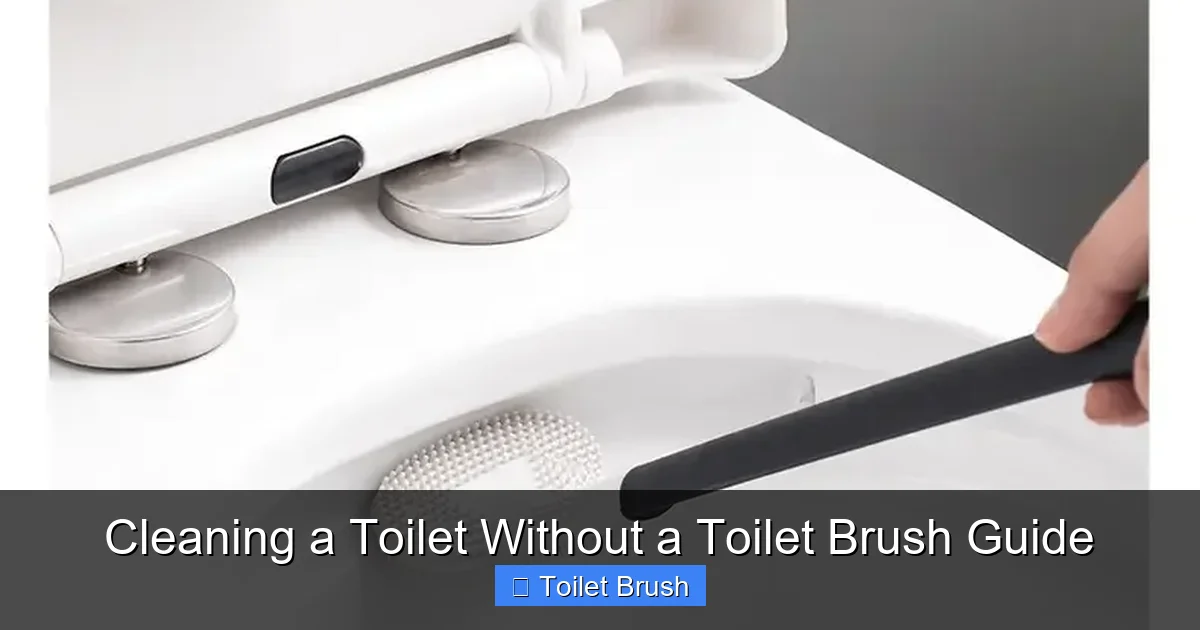
Visual guide about Cleaning a Toilet Without a Toilet Brush Guide
Image source: img.kwcdn.com
Gather Your Protective Gear
Always wear rubber or disposable gloves. This protects your hands from germs and harsh cleaning agents. If you’re using strong cleaners like bleach, ensure the room is well-ventilated by turning on the fan or opening a window. This is non-negotiable for your safety.
Assemble Your Cleaning Arsenal
You don’t need fancy tools. Here’s what you might use:
- Cleaning Agents: White vinegar, baking soda, liquid castile soap, hydrogen peroxide, or a commercial toilet cleaner.
- Tools/Applicators: Microfiber cloths, paper towels, heavy-duty disposable wipes, a disposable sponge, a plastic bag (like a grocery bag), or an old sock.
- Scrubbing Helpers: A pumice stone (for porcelain only) or a disposable scrubbing stick for tough stains.
- Spray Bottles: For applying vinegar or other liquid cleaners.
Pre-Clean the Exterior
First, spray and wipe down the exterior surfaces: the toilet seat (top and bottom), lid, tank, and base. Use a disinfectant spray or a cloth with all-purpose cleaner. This prevents you from knocking dirt into the clean bowl later. It also makes the whole job feel more manageable.
Method 1: The Disposable Glove & Paper Towel Scrub
This is the ultimate quick fix. It’s direct, effective, and everything goes in the trash when you’re done.
Visual guide about Cleaning a Toilet Without a Toilet Brush Guide
Image source: img.kwcdn.com
Step 1: Apply Your Cleaner
Put on a pair of sturdy disposable gloves. Squirt your chosen toilet cleaner generously around the inside of the bowl, especially under the rim. Let it sit for the time recommended on the label, usually 5-10 minutes. This lets the chemicals break down the grime.
Step 2: Scrub with Paper Towels
Take a wad of strong paper towels (the “select-a-size” or shop towels work great). Fold them into a thick pad. Reach into the bowl and start scrubbing. Use a firm, swirling motion just like you would with a brush. Focus on the water line and the trapway (the S-bend at the bottom). The paper towel provides excellent abrasion.
Step 3: Flush and Dispose
Once you’ve scrubbed all surfaces, flush the toilet. The swirling water will rinse away the loosened dirt. While the bowl is refilling, you can give it a final wipe with a clean, damp paper towel if needed. Carefully peel off your gloves, turning them inside out to trap the used paper towels inside. Tie them off and throw the whole bundle away. Wash your hands thoroughly.
Method 2: The Natural Power Clean (Vinegar & Baking Soda)
This method is fantastic for regular cleaning or if you prefer to avoid harsh chemicals. The fizzing action does a lot of the work for you.

Visual guide about Cleaning a Toilet Without a Toilet Brush Guide
Image source: images.nexusapp.co
Step 1: Create the Fizzing Reaction
First, pour about one cup of plain white vinegar into the bowl. Try to pour it under the rim. Let it sit for a minute to start dissolving mineral deposits. Then, sprinkle in about half a cup of baking soda. Watch it fizz! This combination breaks down stains and neutralizes odors.
Step 2: Scrub with a Cloth or Sponge
For this method, you can use a dedicated microfiber cloth or a disposable sponge. Put on your gloves. Use your chosen tool to scrub the entire bowl, leveraging the abrasive paste created by the vinegar and baking soda. For extra cleaning power, you can add a squirt of liquid castile soap to your cloth.
Step 3: Soak and Final Rinse
Let the paste sit in the bowl for 15-20 minutes, especially if you have stains. Then, give it one more quick scrub and flush. The flush will rinse everything away cleanly. If using a reusable cloth, rinse it well in hot water and wash it separately in the washing machine immediately after.
Method 3: The Heavy-Duty Disposable Wipe
This is perhaps the simplest and most hygienic method. It’s perfect for quick cleans or travel.
Simply take several heavy-duty disinfecting wipes (like the kind designed for bathrooms). Put on gloves. Wipe down the exterior first. Then, use a fresh cluster of wipes to scrub the interior bowl. The textured surface of the wipes provides good scrubbing power. Once done, flush the toilet and throw all used wipes and gloves directly into the trash. Do not flush the wipes, even if they claim to be flushable, as they can cause plumbing issues.
Method 4: The Plastic Bag “Glove”
This is a clever improvisation when you have very few supplies.
Step 1: Make Your Bag Glove
Take a small, sturdy plastic bag (like a produce bag). Put your hand inside it as if it were a giant, loose glove.
Step 2: Scrub Directly
Apply cleaner to the bowl. Then, with your bag-covered hand, simply scrub the toilet surfaces directly. The plastic acts as a barrier. You can use your fingers to get into crevices under the rim that brushes often miss.
Step 3: Invert and Toss
When finished, carefully pull your hand out, turning the bag inside out so all the grime is trapped inside. Tie it off and dispose of it. Wash your hands very well. This method is very direct but effective in a pinch.
Tackling Tough Stains Without a Brush
What about stubborn rings or mineral deposits? Don’t worry, you can handle these too.
For Limescale (White Mineral Deposits)
Citric acid or vinegar are your best friends. Soak paper towels in white vinegar and press them onto the stained areas, especially at the water line. Let them sit for at least an hour, or even overnight. The acid will soften the scale, allowing you to wipe it away easily with a cloth or a pumice stone designed for toilets. Use the pumice stone wet with gentle pressure.
For Rust Stains
A pumice scrubbing stick is incredibly effective on porcelain. Keep it and the stain wet, and gently rub. The pumice is softer than porcelain but harder than the stain, so it scrapes the rust away without scratching. You can also try a paste of baking soda and hydrogen peroxide, let it sit, then scrub.
Troubleshooting Common Issues
Here are quick fixes for common problems you might face.
- “The stains won’t come off!” Be patient with soak time. For organic stains, a bleach-based cleaner left for 30+ minutes can work. For mineral stains, an overnight vinegar soak is key. Always use a dedicated stain tool like a pumice stone for the final scrub.
- “I’m worried about germs on my cloth.” This is a valid concern. Always use a cloth or sponge you dedicate solely to toilet cleaning. Wash it in hot water with bleach immediately after use. Better yet, opt for disposable methods (wipes, paper towels) if germ transfer worries you.
- “The under-rim area is hard to reach.” Your hand with a cloth or a wipe is actually more maneuverable than a brush. For a tool, try wrapping a cloth around a spoon or a putty knife handle to extend your reach and apply pressure to those tiny holes.
Conclusion: A Clean Toilet is Within Reach
As you can see, a missing or undesirable toilet brush is no longer an excuse for a dirty bowl. With a bit of ingenuity and common household items, you can achieve a disinfected, sparkling clean toilet. Whether you choose the direct approach of gloved hands and paper towels, the natural power of vinegar and baking soda, or the convenience of disposable wipes, you have multiple effective paths to success. The key takeaways are to protect yourself, let cleaners sit to do the work, and be willing to improvise with the tools you have. Regular light cleaning with these methods can also prevent big, messy jobs later on. So next time you’re without a brush, don’t panic—just pick a method and get cleaning.
🎥 Related Video: Cleaning Tips For Lazy People | Keep Your Toilet Cleaner For Longer ✨LINKS✨
📺 Mai Zimmy