
Using the wrong plunger can make clogs worse. This guide explains the key differences between toilet plungers and sink plungers, so you can tackle any blockage effectively. Follow our simple steps to choose and use the right tool for a clean, clear drain.
Stop Using the Wrong Plunger: Toilet vs Sink
Have you ever faced a stubborn clog and wondered why your plunger isn’t working? You might be using the wrong tool for the job. Many people think a plunger is just a plunger, but that’s not true. Toilet plungers and sink plungers are designed for different tasks. Using the wrong one can make the problem worse. In this guide, you’ll learn the key differences, how to choose the right plunger, and step-by-step instructions to clear clogs like a pro. Let’s dive in!
Contents
Key Takeaways
- Toilet plungers have a flange: This extra rubber piece creates a better seal in the toilet bowl for powerful suction.
- Sink plungers are flat: Designed for flat surfaces like sinks and tubs, they provide a tight seal on drain openings.
- Never use a sink plunger on a toilet: It won’t seal properly and can splash wastewater, making a mess.
- Use a toilet plunger only for toilets: Its flange is tailored for toilet drains, ensuring effective clog removal.
- Proper technique matters: Whether for toilet or sink, using the right plunging motion is key to success.
- Keep both plungers handy: Having the right tool for each type of drain saves time and prevents frustration.
- Maintain your plungers: Clean and store them properly to ensure they’re ready for future clogs.
Why Using the Wrong Plunger is a Big Deal
Using the wrong plunger isn’t just a minor mistake. It can lead to bigger issues. For example, if you use a sink plunger on a toilet, it won’t seal well. This can cause dirty water to splash back. That’s a health risk. Also, without a good seal, you might push the clog deeper. That makes it harder to remove. On the other hand, using a toilet plunger on a sink might not work either. The flange can get in the way. You waste time and effort. In some cases, you could damage the drain or the plunger. So, always pick the right tool. It saves you hassle and keeps your home clean.
Understanding the Two Types of Plungers
Before you start plunging, it’s crucial to know what you’re holding. There are two main types of plungers: toilet plungers and sink plungers. Each has a unique design for specific drains. Knowing this will help you avoid common errors.
Visual guide about Stop Using the Wrong Plunger Toilet vs Sink
Image source: toiletseek.com
What is a Toilet Plunger?
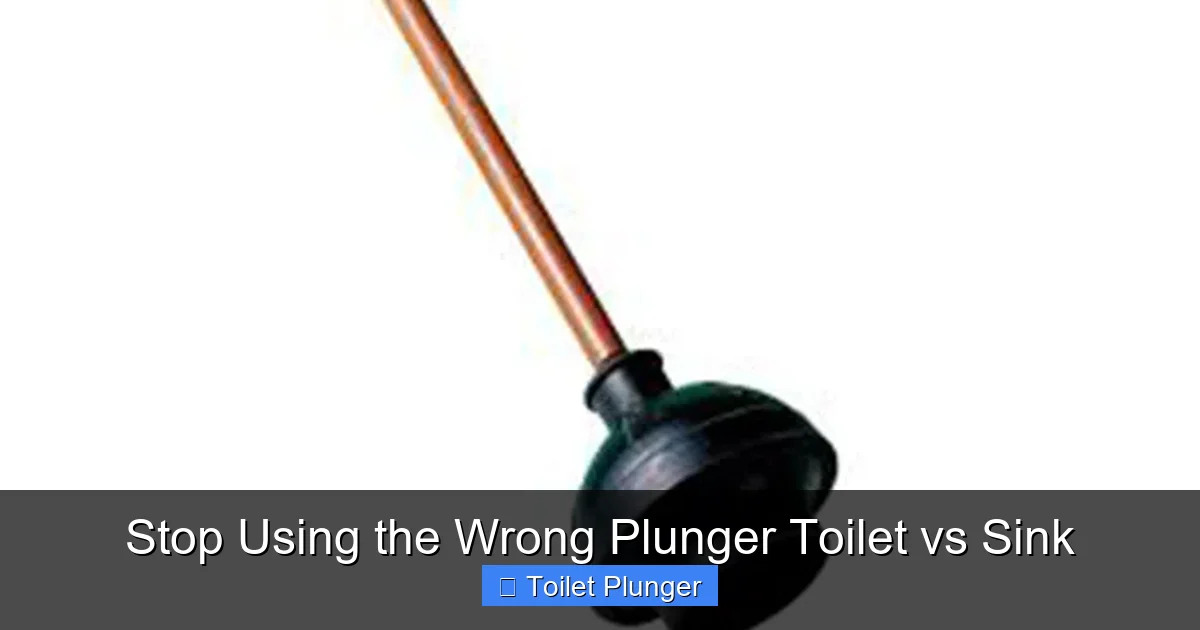
A toilet plunger, also called a flange plunger, has a special design. It has a rubber cup with an extra rubber piece called a flange. This flange extends from the bottom. It looks like a small bell inside a bigger bell. The flange is key. It fits into the toilet drain hole. This creates a tight seal. The seal allows for powerful suction. That suction pushes and pulls clogs through the pipes. Toilet plungers are usually larger. They have a long handle for better leverage. The flange can be folded up for storage. But it’s best used for toilets. Remember, a toilet plunger is your go-to tool for toilet clogs. Keep one in every bathroom.
What is a Sink Plunger?
A sink plunger, often called a cup plunger, has a simpler design. It has a single rubber cup attached to a handle. The cup is flat and wide. It’s made for flat drain openings. Think sinks, bathtubs, and showers. The wide cup covers the entire drain area. This creates suction to dislodge clogs. Sink plungers are typically smaller. They have a shorter handle. This makes them easy to use in tight spaces. But don’t let their size fool you. When used right, they are very effective. They work great on sink and tub clogs. Just don’t use them on toilets.
Key Differences Between Toilet and Sink Plungers
Let’s break down the main differences. This will help you choose wisely.
- Design: Toilet plungers have a flange; sink plungers do not.
- Seal: Toilet plungers seal in toilet drains; sink plungers seal on flat surfaces.
- Size: Toilet plungers are larger; sink plungers are smaller.
- Handle: Toilet plungers have longer handles; sink plungers have shorter handles.
- Use Case: Toilet plungers for toilets; sink plungers for sinks, tubs, and showers.
Knowing these differences will help you avoid mistakes. Now, let’s move on to choosing the right plunger.
How to Choose the Right Plunger
Choosing the right plunger is simple. Match the plunger to the drain. Here’s how to decide.

Visual guide about Stop Using the Wrong Plunger Toilet vs Sink
Image source: toiletseek.com
When to Use a Toilet Plunger
Use a toilet plunger only for toilets. The flange is designed for the toilet drain. It creates a seal that helps with plunging. If you try to use a toilet plunger on a sink, it might not seal well. The flange can get in the way. But in a pinch, you can fold the flange up. Then use it on a flat drain. However, for best results, use a sink plunger for sinks. Toilet plungers are best for their intended job. Keep that in mind.
When to Use a Sink Plunger
Use a sink plunger for sinks, bathtubs, showers, and floor drains. The flat cup seals well on these surfaces. Never use a sink plunger on a toilet. It won’t seal in the bowl. This can lead to splashing. It also makes plunging ineffective. You might push the clog deeper. That’s a mess you don’t want. Tip: If you only have one plunger, make it a toilet plunger. You can use it on sinks by folding the flange. But it’s not ideal. For a complete solution, have both plungers in your home. It’s a small investment for big peace of mind.
Step-by-Step Guide to Using Each Plunger
Now that you know which plunger to use, let’s learn how to use them correctly. Proper technique is key to clearing clogs. Follow these steps closely.
Visual guide about Stop Using the Wrong Plunger Toilet vs Sink
Image source: scottshomeimprovement.com
How to Use a Toilet Plunger Effectively
Follow these steps to tackle a toilet clog. Take your time and do it right.
Step 1: Prepare the Area
First, put on rubber gloves. This keeps things hygienic. Clear the area around the toilet. Remove any rugs or items that might get wet. Have old towels ready for spills. If the toilet is overflowing, turn off the water supply. The valve is usually behind the toilet. This stops more water from filling the bowl. It prevents a bigger mess.
Step 2: Position the Plunger
Place the toilet plunger into the bowl. Make sure the flange is extended. Position the plunger over the drain hole. The flange should go into the drain. Press down gently to form a seal. You should see water around the plunger. This seal is crucial for creating suction. If there’s no seal, you won’t get good suction. Adjust until it feels tight.
Step 3: Plunge with Force
Hold the handle firmly. Push down slowly, then pull up quickly. Repeat this motion several times. The goal is to push and pull water through the drain. This dislodges the clog. Do this for about 15-20 seconds. Be forceful but controlled. Avoid breaking the seal. If you break the seal, start over. Consistency is key here.
Step 4: Check and Repeat
After plunging, quickly pull the plunger away. Listen for a gurgling sound. Watch if the water drains. If it does, the clog is clear. Flush the toilet to test. If not, repeat the plunging. You might need to try a few times. For tough clogs, let some water out first. This reduces pressure. Then try again. Patience pays off.
Step 5: Clean Up
After clearing the clog, clean the plunger. Rinse it with hot water and disinfectant. You can use bleach or a bathroom cleaner. Store it in a dry place. This prevents odors and keeps it ready for next time. Also, wipe down the toilet area with disinfectant. Hygiene is important after plunging.
How to Use a Sink Plunger Effectively
Here’s how to clear a sink, tub, or shower clog. The steps are similar but tailored for flat drains.
Step 1: Prepare the Area
Wear gloves. Remove any items from the sink or tub. Cover the overflow drain if there is one. For sinks, plug the overflow hole with a wet cloth. This helps create better suction. Have a bucket or towel for water that might splash out. Preparation makes the job easier.
Step 2: Position the Plunger
Ensure the sink has enough water to cover the plunger cup. If not, add some water. Place the plunger over the drain. Press down to form a seal. The entire cup should cover the drain opening. Check for gaps. A good seal is essential. Without it, you won’t generate enough suction.
Step 3: Plunge with Force
Hold the handle and push down firmly. Then pull up sharply. Repeat this motion. Do it for 10-15 seconds. The suction should loosen the clog. For sinks, you might need to plunge faster than for toilets. Keep the seal intact. Don’t rush. Steady, strong motions work best.
Step 4: Check and Repeat
Pull the plunger off. Run water to see if the drain is clear. If water flows freely, you’re done. If not, repeat plunging. Sometimes, you may need to use a drain snake after plunging. This is for stubborn clogs. Don’t get discouraged. Try a few more times.
Step 5: Clean Up
Clean the sink plunger after use. Rinse it with hot water and disinfectant. Store it separately from the toilet plunger. This avoids cross-contamination. Wipe down the sink or tub area. This keeps your bathroom clean and fresh.
Troubleshooting Common Problems
What if the plunger isn’t working? Don’t worry. Here are some tips to help you out.
What to Do If the Plunger Isn’t Working
First, check if you’re using the right plunger. If you’re using a sink plunger on a toilet, switch to a toilet plunger. Ensure the seal is tight. For toilets, make sure the flange is inside the drain. For sinks, cover the overflow hole. Try plunging for longer. Sometimes, clogs need persistent effort. If after several attempts it still doesn’t work, the clog might be deep. Consider using a plumbing snake. Or call a plumber. Don’t force it too much. You might damage the pipes.
Avoiding Common Mistakes
Here are mistakes to avoid. They can save you time and trouble.
- Using the wrong plunger: This is the biggest mistake. Always match the plunger to the drain.
- Not creating a seal: Without a seal, you won’t generate suction. Press the plunger firmly.
- Plunging too hard: You might damage the pipes. Use controlled force.
- Giving up too soon: Some clogs require multiple plunging sessions. Be patient.
- Not cleaning the plunger after use: Rinse it with disinfectant to keep it hygienic.
- Ignoring safety: Always wear gloves and protect the area. Safety first.
Maintaining Your Plungers
To ensure your plungers last long and work well, follow these maintenance tips. Good care means they’ll be ready when you need them.
- Clean after each use: Rinse with bleach or disinfectant to kill germs. Use hot water for best results.
- Store properly: Hang plungers or place them in a holder to keep them dry. Avoid damp places.
- Inspect regularly: Check for cracks or wear in the rubber. Replace if damaged. A worn plunger won’t seal well.
- Keep separate: Don’t mix toilet and sink plungers. This avoids cross-contamination. Label them if needed.
- Dry thoroughly: After cleaning, let them air dry completely. This prevents mold and odors.
When to Call a Professional
Sometimes, plunging isn’t enough. If you’ve tried multiple times and the clog persists, it might be time to call a plumber. Other signs include:
- Multiple drains are clogged at once. This could indicate a main line issue.
- You hear gurgling sounds from other fixtures. This suggests air trapped in the pipes.
- Water backs up in strange places. For example, water in the shower when you flush the toilet.
- The clog is caused by foreign objects like toys or jewelry. These need special tools.
A professional has tools like augers and cameras. They can handle tough clogs safely. Don’t hesitate to call if you’re unsure. It’s better to be safe than sorry.
Conclusion
Using the right plunger makes all the difference. Toilet plungers and sink plungers are designed for specific jobs. Now you know how to tell them apart and use them effectively. Remember, a toilet plunger has a flange for toilets, and a sink plunger has a flat cup for sinks and tubs. Follow the step-by-step guides to clear clogs with confidence. Keep both plungers in your home for quick fixes. Maintain them well for long-lasting use. With this knowledge, you can stop using the wrong plunger and tackle any clog like a pro. Happy plunging!