
A toilet plunger is a handy tool, but using it at the wrong time can cause serious damage. This guide explains key situations where you should avoid using a plunger, such as when foreign objects are stuck or when there’s a sewer line issue. Knowing when not to plunge can save you from expensive repairs and bigger problems.
Contents
- 1 Key Takeaways
- 2 Introduction: Knowing When to Put the Plunger Down
- 3 Situation 1: When a Foreign Object is Stuck
- 4 Situation 2: When the Toilet is Overflowing
- 5 Situation 3: When You’ve Used Chemical Drain Cleaners
- 6 Situation 4: When the Toilet is Cracked or Damaged
- 7 Situation 5: When There’s a Sewer Line Blockage
- 8 Situation 6: For Clogs in Sinks, Showers, or Tubs
- 9 Situation 7: When You’re Unsure of the Cause
- 10 Troubleshooting Common Misconceptions
- 11 Conclusion: Plunge with Caution
- 12 Author
Key Takeaways
- Avoid for Foreign Objects: Plunging can push items deeper into pipes, making removal harder and costlier.
- Not for Overflowing Toilets: If water is rising, plunging may cause overflow; turn off water first to prevent mess.
- Skip for Chemical Clogs: Plunging after using chemical cleaners can splash hazardous liquids, risking health and damage.
- Don’t Use on Cracked Bowls: Pressure from plunging can worsen cracks, leading to leaks and costly replacements.
- Avoid for Sewer Line Issues: If multiple drains are clogged, plunging won’t help; professional equipment is needed.
- Not for Sinks or Showers: Use appropriate plungers for different fixtures to ensure effectiveness and avoid damage.
- When in Doubt, Call a Pro: If unsure of the cause, professional help prevents mistakes and ensures proper repairs.
Introduction: Knowing When to Put the Plunger Down
We’ve all been there. A clogged toilet can cause panic, and your first instinct might be to reach for the trusty toilet plunger. But hold on! Using a toilet plunger at the wrong time can turn a small problem into a big disaster. This guide will walk you through the key situations when you should avoid using a toilet plunger. By understanding these scenarios, you can protect your plumbing, save money, and avoid messy mistakes. Let’s dive in and learn when to step back from that plunger.
Situation 1: When a Foreign Object is Stuck
Kids’ toys, jewelry, or too much toilet paper can get stuck in your toilet. If you suspect a foreign object, don’t grab that toilet plunger. Plunging can push the item deeper into the pipes, making it harder to remove. For example, if a small toy is lodged in the trap, using a toilet plunger might force it further down, requiring a plumber’s snake or even pipe disassembly.
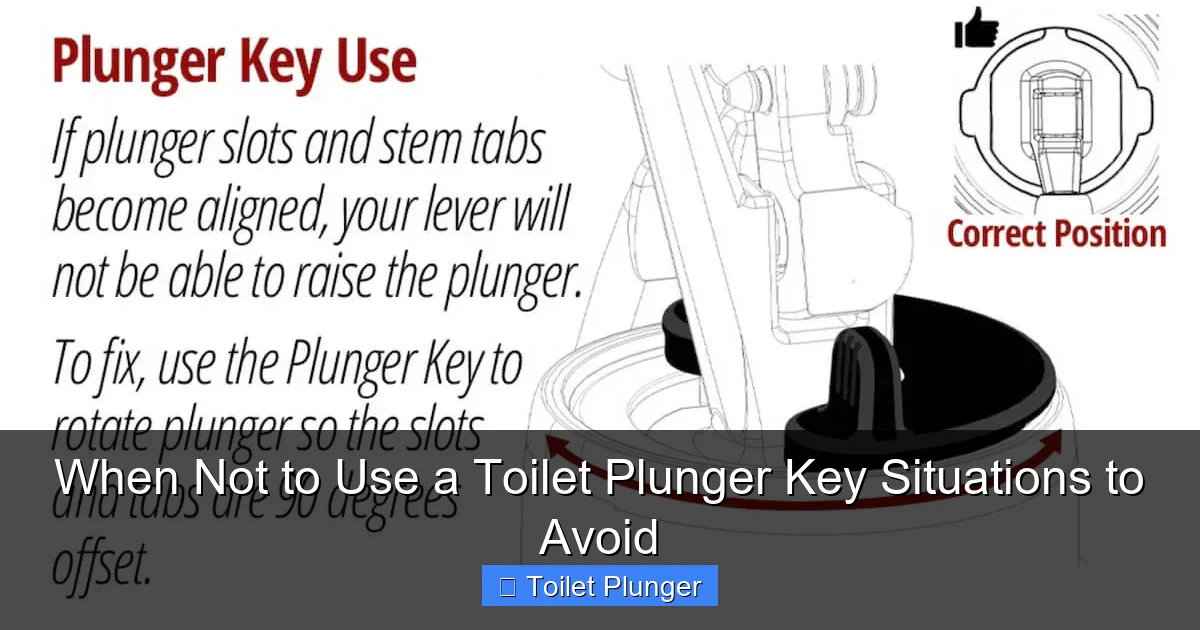
Visual guide about When Not to Use a Toilet Plunger Key Situations to Avoid
Image source: wholesale.cafune.ca
How to Identify a Foreign Object
Look for signs like the toilet not flushing properly, but water draining slowly. You might see the object if you peek into the bowl. Sometimes, you can feel it with a gloved hand or a tool. Another clue is if the toilet gurgles or bubbles when flushed, indicating an obstruction.
Why Plunging is Bad Here
A toilet plunger creates pressure that can shove the object further down. This can lead to a complete blockage or even damage to the pipes. Instead of risking it, try using a toilet auger or call a plumber. Remember, a toilet plunger is designed for soft clogs, not hard objects.
What to Do Instead
First, turn off the water supply to prevent overflow. Then, use a bent wire hanger or a specialized retrieval tool. If that doesn’t work, a plumber has the right equipment to remove the object safely. Always avoid using a toilet plunger in this case to save time and money.
Situation 2: When the Toilet is Overflowing
If water is rising in the bowl, plunging might seem urgent, but it can make things worse. Plunging during an overflow can force more water out, causing a mess. Imagine water spilling onto your bathroom floor—that’s a cleanup nightmare. So, put down that toilet plunger and act calmly.

Visual guide about When Not to Use a Toilet Plunger Key Situations to Avoid
Image source: primuscable.com
Immediate Steps to Take
Quickly turn off the water valve behind the toilet. This stops more water from entering the bowl. Then, use a bucket to remove excess water if needed. Once the water level is low, you can assess the clog. But still, avoid using a toilet plunger until you’re sure it’s safe.
Risks of Plunging During Overflow
Plunging adds pressure, which can push water over the rim. This leads to water damage on your floor. Always control the water level before attempting any unclogging. A toilet plunger is useful, but not when water is about to spill. Safety first!
Alternative Solutions
Once the water is low, you can try using a toilet auger. If the clog is severe, it’s best to call a professional. Remember, a toilet plunger might not be the answer here. Keep towels handy to soak up any spills, and consider wearing gloves for hygiene.
Situation 3: When You’ve Used Chemical Drain Cleaners
Chemical drain cleaners are harsh and can damage pipes. If you’ve poured chemicals down the toilet, avoid using a toilet plunger. The plunging action can splash chemicals, posing health risks. For instance, sulfuric acid-based cleaners can cause burns if splashed on skin.
Visual guide about When Not to Use a Toilet Plunger Key Situations to Avoid
Image source: thegreenhead.com
Dangers of Chemical Splashback
Chemical splashback can burn your skin or eyes. It’s also harmful if inhaled. Always wear protective gear if you must handle chemicals, but better to avoid them altogether. Using a toilet plunger after chemicals is risky. The fumes alone can be dangerous.
Safe Alternatives to Chemical Cleaners
Instead of chemicals, use a drain snake or a natural mixture of baking soda and vinegar. These methods are safer for your pipes and the environment. A toilet plunger should only be used on simple clogs without chemicals. If you must clear a clog, try mechanical tools first.
Situation 4: When the Toilet is Cracked or Damaged
A cracked toilet bowl or tank can leak water. Using a toilet plunger on a damaged toilet increases pressure, which can widen cracks and cause more leaks. Even a small crack can become a big problem with the force of a plunger.
Identifying Cracks and Damage
Check for visible cracks, chips, or water stains around the base. If the toilet rocks when you sit on it, the seal might be broken. Any sign of damage means no plunging. Inspect the bowl and tank regularly to catch issues early.
How Plunging Can Worsen Damage
The suction and pressure from a toilet plunger can stress the porcelain, leading to further cracking. This might result in costly repairs or full replacement. Instead of using a toilet plunger, call a plumber to assess the damage. They can recommend repairs or a new toilet.
Repair or Replace Options
For minor cracks, a plumber might repair it with epoxy. But often, a cracked toilet needs replacing. Don’t risk using a toilet plunger; get a professional opinion. A new toilet might be a better investment than repeated repairs.
Situation 5: When There’s a Sewer Line Blockage
If multiple drains in your home are clogged, you might have a sewer line issue. A toilet plunger won’t fix this; it’s a job for a plumber. For example, if your toilet, sink, and shower all drain slowly, the problem is likely downstream.
Signs of Sewer Line Issues
Look for gurgling sounds in drains, water backing up in other fixtures, or foul odors. These indicate a blockage deep in the sewer line. A toilet plunger can’t reach that far, so don’t waste your effort.
Why a Toilet Plunger is Ineffective
A toilet plunger only clears clogs near the toilet bowl. Sewer line blockages are far downstream, so plunging has no effect. You need professional equipment like a sewer snake. Using a toilet plunger here is like using a bandage on a broken bone.
Professional Solutions
Plumbers use cameras to inspect sewer lines and high-pressure jets to clear blockages. Don’t waste time with a toilet plunger; call a pro to prevent sewage backups. This saves you from health hazards and expensive repairs.
Situation 6: For Clogs in Sinks, Showers, or Tubs
A toilet plunger is designed for toilets, not sinks or showers. Using it on other fixtures can be ineffective and even cause damage. The flange on a toilet plunger is meant for toilet bowls, not flat surfaces.
Differences in Drain Systems
Toilets have larger drain pipes and a different trap design. Sinks and showers have smaller pipes, so a toilet plunger might not create proper suction. You could end up pushing the clog deeper or damaging the fixture.
Using the Right Tool for the Job
For sinks and showers, use a cup plunger or a drain snake. A toilet plunger won’t seal well on flat surfaces. Keep different plungers for different jobs. This ensures effectiveness and prolongs the life of your tools.
Situation 7: When You’re Unsure of the Cause
If you don’t know why the toilet is clogged, it’s risky to use a toilet plunger. You might aggravate an unknown problem. For instance, if the clog is due to tree roots, plunging will do nothing but waste time.
When to Call a Professional
When in doubt, call a plumber. They can diagnose the issue accurately and use the right tools. This saves you from potential damage and ensures a proper fix. A toilet plunger isn’t always the answer, so know your limits.
Benefits of Professional Assessment
Plumbers can spot hidden issues like tree roots in pipes or worn-out seals. Investing in a professional assessment can prevent future clogs and expensive repairs. Don’t rely solely on a toilet plunger for every blockage.
Troubleshooting Common Misconceptions
Many people believe myths about toilet plungers. Let’s clear them up to help you use this tool wisely.
Myth: Plunging Always Works
Not true. A toilet plunger is great for simple clogs, but not for all blockages. Knowing when not to use it is key. For example, hard objects or deep clogs require different approaches.
Myth: More Force is Better
Using too much force with a toilet plunger can damage the toilet or pipes. Gentle, consistent plunging is more effective. Push and pull smoothly to create suction without straining the porcelain.
Myth: Any Plunger Will Do
There are different types of plungers. Always use a flange plunger for toilets. Using the wrong type can reduce effectiveness. Keep a dedicated toilet plunger for bathroom use only.
Conclusion: Plunge with Caution
A toilet plunger is a valuable tool, but it’s not a cure-all. By avoiding these key situations, you can prevent plumbing disasters. Remember, when in doubt, seek professional help. Your toilet—and your wallet—will thank you. Use your toilet plunger wisely, and always prioritize safety and proper maintenance.