
Is broom safe for hardwood floors? Yes, but only if you use the right type of broom and the correct sweeping method. This guide explains which brooms are safe, how to sweep without scratching, and what mistakes to avoid. Follow these simple tips to keep your hardwood floors clean, shiny, and damage‑free for years.
Contents
- 1 Key Takeaways
- 2 Introduction: Is Broom Safe for Hardwood Floors?
- 3 Understanding Hardwood Floors and Broom Safety
- 4 Step 1: Choose the Right Broom for Hardwood Floors
- 5 Step 2: Prepare the Area Before Sweeping
- 6 Step 3: How to Sweep Hardwood Floors Safely
- 7 Step 4: When to Use a Broom vs. Other Tools
- 8 Step 5: Extra Habits to Protect Hardwood Floors
- 9 Common Mistakes When Using a Broom on Hardwood Floors
- 10 Troubleshooting: What If You Already See Scratches?
- 11 How Often Should You Sweep Hardwood Floors?
- 12 Conclusion: So, Is Broom Safe for Hardwood Floors?
- 13 Author
Key Takeaways
- Point 1: A broom is safe for hardwood floors if it has soft, fine bristles and is used gently.
- Point 2: Avoid stiff, worn, or dirty brooms, as they can scratch and dull hardwood floor finishes.
- Point 3: Sweeping with the grain of the wood and lifting grit often helps prevent surface damage.
- Point 4: Regular sweeping is one of the best ways to protect hardwood floors from sand, dust, and pet hair.
- Point 5: Microfiber dust mops and vacuum cleaners made for hard floors are excellent partners to a safe broom.
- Point 6: Simple habits—like using mats, removing shoes, and cleaning spills fast—extend the life of your hardwood floors.
- Point 7: When in doubt, test your broom in a low‑visibility area to be sure it is broom safe for hardwood floors in your home.
Introduction: Is Broom Safe for Hardwood Floors?
Many homeowners ask, is broom safe for hardwood floors? You want clean floors, but you also want to avoid scratches and dull spots. The truth is simple. A broom can be very safe for hardwood floors, or very damaging. It all depends on the type of broom and how you use it.
In this guide, you will learn how to choose a safe broom, how to sweep correctly, and which mistakes to avoid. You will also learn extra tips to protect your wood floors every day. By the end, you will know exactly how to keep your hardwood floors clean and beautiful, without fear of damage.
Understanding Hardwood Floors and Broom Safety
To answer the question, is broom safe for hardwood floors, you first need to understand the surface you are cleaning. Most hardwood floors today have a protective finish. This finish can be polyurethane, varnish, or oil. It protects the wood from moisture, dirt, and small impacts.
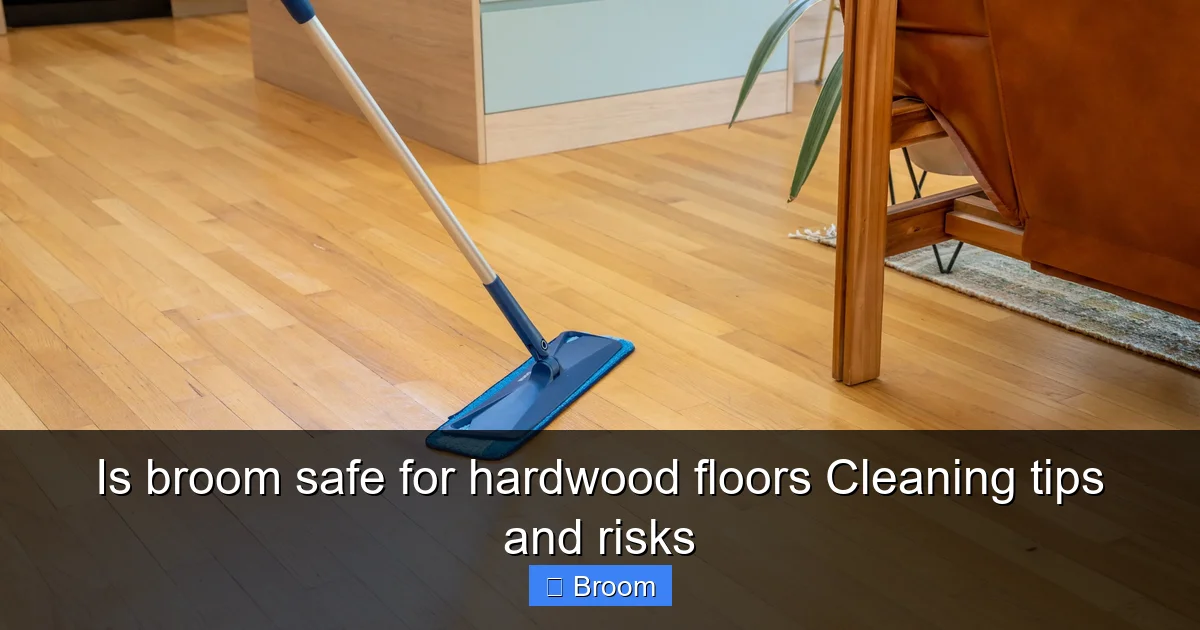
Visual guide about Is broom safe for hardwood floors Cleaning tips and risks
Image source: bhg.com
But this finish is not indestructible. Grit, sand, and small stones can act like sandpaper. A rough broom can push that grit across the floor and leave fine scratches. Over time, these tiny scratches build up. The floor starts to look dull, cloudy, and worn.
So, is a broom safe for hardwood floors? Yes, if it helps remove grit gently instead of grinding it into the finish. The right broom and the right technique are the key.
Step 1: Choose the Right Broom for Hardwood Floors
The first step in making sure a broom is safe for hardwood floors is choosing the right kind. Not every broom is friendly to wood.

Visual guide about Is broom safe for hardwood floors Cleaning tips and risks
Image source: firstforwomen.com
Soft vs. Stiff Bristles
Always choose soft bristles for hardwood. Soft bristles glide over the floor and gently pull dust and hair into a pile. Stiff bristles dig into the finish and can leave marks.
- Good choices: Soft synthetic bristles, flagged bristles (split tips), or soft natural fibers.
- Bad choices: Stiff outdoor brooms, shop brooms, straw brooms with rough ends, or any broom that feels scratchy to the touch.
To test if a broom is broom safe for hardwood floors, run your hand lightly over the bristles. If they feel rough or prickly, do not use that broom on wood.
Types of Brooms That Are Safe for Hardwood Floors
- Soft synthetic broom: These often have fine, flexible bristles that trap dust well. They are light and easy to use on hardwood.
- Flagged bristle broom: The bristle tips are split into many tiny ends. This makes the broom softer and better at picking up fine dust.
- Rubber broom: Rubber bristles are gentle and great for pet hair. Many rubber brooms are safe for hardwood floors, but always test first.
- Angled indoor broom: An angled broom with soft bristles can reach corners and baseboards without scratching.
Tools to Avoid on Hardwood Floors
Some tools are almost never safe for hardwood floors.
- Outdoor push brooms: These are made for concrete and rough surfaces. They are too stiff for wood.
- Old, frayed straw brooms: Straw ends can become sharp and scratchy as they wear down.
- Dirty brooms full of grit: Even a soft broom becomes risky if sand and small stones are stuck in the bristles.
If you wonder, is broom safe for hardwood floors in every case, remember this rule: Only clean, soft indoor brooms belong on wood.
Step 2: Prepare the Area Before Sweeping
Before you start sweeping, a little prep work makes your broom safer for hardwood floors.
Clear the Floor
Pick up any larger items that could scratch the floor if pushed around.
- Move small chairs or light tables if possible.
- Pick up toys, coins, paper clips, and small hard objects.
- Shake out small rugs or mats outside before sweeping.
When you clear the floor first, your broom is less likely to drag something sharp across the finish.
Check the Broom
Take a few seconds to inspect your broom.
- Look for stuck pebbles, glass, or hard debris in the bristles.
- Tap the broom gently outside or over a trash can to remove loose dust.
- If the broom is very dirty or worn, consider replacing it.
This quick check makes your broom more safe for hardwood floors by removing hidden risks.
Step 3: How to Sweep Hardwood Floors Safely
Now it is time to sweep. The way you move the broom matters just as much as the broom itself. Follow these steps to keep your hardwood floors safe.
Use Gentle, Short Strokes
Do not press hard on the broom. Let the soft bristles do the work.
- Hold the broom at a slight angle, so the tips of the bristles touch the floor.
- Use light, controlled strokes instead of long, forceful sweeps.
- Keep the broom close to the floor, but do not grind it down.
Gentle strokes mean less pressure on the finish. This makes your broom more safe for hardwood floors over time.
Sweep with the Grain of the Wood
Look closely at your hardwood floor. You will see the grain lines running in one main direction.
- Try to sweep in the same direction as the grain.
- This helps dust move into lines instead of across them.
- It also makes fine scratches less likely and less visible.
While this is not always perfect in every room, it is a helpful habit when you want your broom to be safe for hardwood floors.
Work in Sections
Break the room into small areas. This keeps dirt from spreading back over clean spots.
- Start in a far corner of the room.
- Sweep dust and debris toward the center or toward one main pile.
- Move backward as you go, so you are not walking on the clean areas.
Working in sections makes sweeping more efficient and more gentle.
Use a Soft Dustpan
The dustpan you use also matters.
- Choose a dustpan with a soft or rubber edge.
- Place it down gently to avoid scratching the floor.
- Hold it steady and sweep debris into it with light strokes.
If the dustpan edge is metal or very hard plastic, it may not be safe for hardwood floors. Consider placing a thin cloth under the edge if you must use a hard pan.
Step 4: When to Use a Broom vs. Other Tools
Even if a broom is safe for hardwood floors, it is not always the best or only tool. Knowing when to use other tools will give you better results.
Use a Broom For Daily or Quick Cleaning
A broom is great for fast, light cleaning.
- Use it to pick up crumbs in the kitchen.
- Sweep up pet hair or dust bunnies in high traffic areas.
- Do a quick pass near doors where dirt collects.
For these small jobs, a broom is safe for hardwood floors and very convenient.
Use a Microfiber Dust Mop for Fine Dust
A microfiber dust mop is another very safe tool for hardwood floors.
- It picks up fine dust that brooms may leave behind.
- It glides smoothly and is very gentle on the finish.
- It is ideal for large rooms or whole‑house dusting.
You can sweep first with a broom and then follow with a dust mop for a deeper clean.
Use a Hard‑Floor Vacuum for Deep Cleaning
Some vacuums are designed to be safe for hardwood floors.
- Choose a vacuum with a hard‑floor setting or a soft roller.
- Avoid beater bars or rotating brushes unless they are safe for wood.
- Use the vacuum in corners, under furniture, and along baseboards.
Vacuuming picks up grit from cracks and gaps where a broom cannot reach. This makes it easier to keep a broom safe for hardwood floors because there is less hidden debris to drag around.
Step 5: Extra Habits to Protect Hardwood Floors
Even the safest broom will not protect your floors if other habits are causing damage. Add these simple steps to your routine.
Use Doormats and Rugs
Stop dirt before it reaches the wood.
- Place mats at every exterior door.
- Use a rough mat outside and a softer mat inside.
- Consider area rugs in high‑traffic spots like hallways and kitchens.
Less dirt on the floor means your broom stays safe for hardwood floors because there is less grit to scratch the finish.
Remove Shoes Indoors
Shoes bring in sand, tiny stones, and even bits of asphalt.
- Make a habit of removing shoes at the door.
- Offer guests a place to leave shoes or provide house slippers.
- Keep a small bench or chair near the entry to make this easy.
Without outdoor grit, your broom will have a much easier time cleaning without risk.
Clean Spills Quickly
Water and liquids can damage hardwood floors if left too long.
- Wipe up spills right away with a soft cloth.
- Do not let water sit and soak into seams or gaps.
- After wiping, let the area air dry completely.
If sticky residue remains, use a hardwood floor cleaner recommended by your floor manufacturer. Never scrub with a stiff brush, even if you think a broom is safe for hardwood floors in general.
Common Mistakes When Using a Broom on Hardwood Floors
Even with a safe broom, some habits can still damage your hardwood floors. Watch out for these common mistakes.
Pressing Too Hard
Many people think they need to push hard to get floors clean. This is not true.
- Heavy pressure can bend bristles and expose harder parts of the broom head.
- It can drive grit into the finish and create fine scratches.
- It also makes sweeping more tiring for you.
Remember, a broom is safe for hardwood floors only when used with light, gentle pressure.
Using a Worn‑Out Broom
Old brooms often have uneven, frayed bristles.
- Frayed ends can become sharp and scratchy.
- The broom may no longer pick up dust well.
- You may find yourself pressing harder to compensate.
If your broom looks rough or feels scratchy, it is time to replace it with one that is truly safe for hardwood floors.
Sweeping Over Grit Without Lifting
When you see larger grit or small stones, do not just sweep over them again and again.
- Use a paper towel or your hand (with a glove if needed) to pick them up.
- Then continue sweeping the remaining dust.
- This avoids dragging sharp particles across the finish.
This small habit keeps your broom safe for hardwood floors, even when there is heavier debris.
Troubleshooting: What If You Already See Scratches?
Sometimes you may notice light scratches or dull areas and wonder if your broom caused them. Here is how to handle that situation.
Identify the Type of Damage
Look closely at the marks.
- Light surface scratches: These are shallow and often only in the finish, not in the wood.
- Deep gouges: These cut into the wood and are usually caused by heavy objects, not a broom.
- Dull or cloudy patches: These may come from fine scratches, residue, or worn finish.
If the damage is light, a broom can still be safe for hardwood floors if you change your technique and tools.
Improve Your Cleaning Routine
To prevent more damage:
- Switch to a softer broom or a microfiber dust mop.
- Vacuum more often to remove hidden grit.
- Use a cleaner made specifically for hardwood floors, not harsh chemicals.
By improving your routine, you can still use a broom safely on hardwood floors without adding more scratches.
Consider Professional Help for Heavy Damage
If the scratches are deep or very widespread:
- Contact a flooring professional for advice.
- They may suggest screening and recoating, or in severe cases, sanding and refinishing.
- Ask them what type of broom and tools they recommend for your specific floor finish.
After repairs, be extra careful to use only a broom that is safe for hardwood floors, along with gentle cleaning habits.
How Often Should You Sweep Hardwood Floors?
Another part of the question, is broom safe for hardwood floors, is how often to use it. The right frequency helps protect your floors.
Daily or Every Other Day in High‑Traffic Areas
In busy parts of the home, dirt builds up quickly.
- Sweep kitchens, entryways, and main hallways at least once a day if possible.
- Use quick, light sweeps rather than heavy, deep cleaning every time.
- This keeps grit from grinding into the finish as people walk.
Weekly in Low‑Traffic Rooms
Bedrooms, guest rooms, and formal spaces may not need daily sweeping.
- Sweep once or twice a week in these areas.
- Follow with a dust mop or vacuum as needed.
- Check corners and under furniture for hidden dust.
Regular, gentle sweeping is safe for hardwood floors and helps them look fresh without overworking the finish.
Conclusion: So, Is Broom Safe for Hardwood Floors?
If you have read this far, you know the full answer to the question, is broom safe for hardwood floors. A broom can be very safe, but only if you choose the right broom and use it the right way.
Pick a broom with soft, clean bristles. Sweep with gentle strokes, work in sections, and move with the grain of the wood. Combine your broom with other safe tools like microfiber dust mops and hard‑floor vacuums. Add simple habits like using mats, removing shoes, and cleaning spills fast.
When you follow these tips, your broom becomes a helpful friend to your hardwood floors, not a hidden enemy. Your wood floors will stay clean, shiny, and beautiful for many years to come.
🎥 Related Video: AVOID these 3 wood floor cleaning mistakes every person makes!#floorcleaning #woodfloors
📺 Edge Cleaning Clips