Clorox cleaning wipes kill a wide range of germs, including many common bacteria and viruses, when used the right way. This guide explains exactly what Clorox cleaning wipes kill, how to read the label, and how to use them step by step for maximum germ removal. You’ll also learn where to use them safely, what they don’t do, and how to avoid common mistakes so your home stays cleaner and healthier.
Contents
- 1 Key Takeaways
- 2 What Do Clorox Cleaning Wipes Kill Full Guide
- 3 Understanding What Clorox Cleaning Wipes Kill
- 4 How to Read the Label to See What Clorox Cleaning Wipes Kill
- 5 Step-by-Step: How to Use Clorox Cleaning Wipes So They Actually Kill Germs
- 5.1 Step 1: Wash or Sanitize Your Hands First
- 5.2 Step 2: Put on Gloves If You Have Sensitive Skin
- 5.3 Step 3: Pre-Clean Very Dirty Surfaces
- 5.4 Step 4: Wipe the Surface Thoroughly
- 5.5 Step 5: Keep the Surface Wet for the Full Contact Time
- 5.6 Step 6: Rinse If the Label Says So (Especially for Food Surfaces)
- 5.7 Step 7: Wash Your Hands When You Are Done
- 6 Where to Use Clorox Cleaning Wipes for Best Germ Control
- 7 Common Mistakes That Stop Clorox Cleaning Wipes from Killing Germs
- 8 Safety Tips When Using Clorox Cleaning Wipes
- 9 Do Clorox Cleaning Wipes Kill All Germs?
- 10 Putting It All Together: A Simple Routine with Clorox Cleaning Wipes
- 11 Conclusion
- 12 Author
Key Takeaways
- Point 1: Clorox cleaning wipes kill many common bacteria and viruses, but each product’s label lists the exact germs it kills.
- Point 2: To work properly, surfaces must stay visibly wet with the wipe’s solution for the full “contact time” on the label.
- Point 3: Clorox cleaning wipes are for hard, nonporous surfaces only and are not meant for skin, dishes, or fabrics.
- Point 4: You should first clean away heavy dirt or grease, then disinfect with a fresh wipe for best germ-killing power.
- Point 5: Different Clorox wipes (regular, disinfecting, specialty) may kill different germs, so always check the product label.
- Point 6: Safe use includes wearing gloves if you have sensitive skin, keeping wipes away from kids and pets, and letting surfaces air-dry.
- Point 7: Clorox cleaning wipes help reduce illness-causing germs in high-touch areas like doorknobs, counters, phones, and bathroom fixtures.
What Do Clorox Cleaning Wipes Kill Full Guide
Clorox cleaning wipes are in many homes, offices, and classrooms. People use them every day, but many are not sure what Clorox cleaning wipes actually kill. This full guide will show you what these wipes can do, what they cannot do, and how to use them correctly so they work as promised.
By the end, you will know:
- What types of germs Clorox cleaning wipes kill
- How to read the label to see which germs are covered
- How to use the wipes step by step for the best results
- Where to use them safely (and where not to)
- Common mistakes people make and how to avoid them
We will focus on Clorox disinfecting wipes and similar Clorox cleaning wipes that are made to kill germs on hard, nonporous surfaces.
Understanding What Clorox Cleaning Wipes Kill
To know what Clorox cleaning wipes kill, you need to understand a few basic terms. These terms appear on most Clorox cleaning wipes packages.
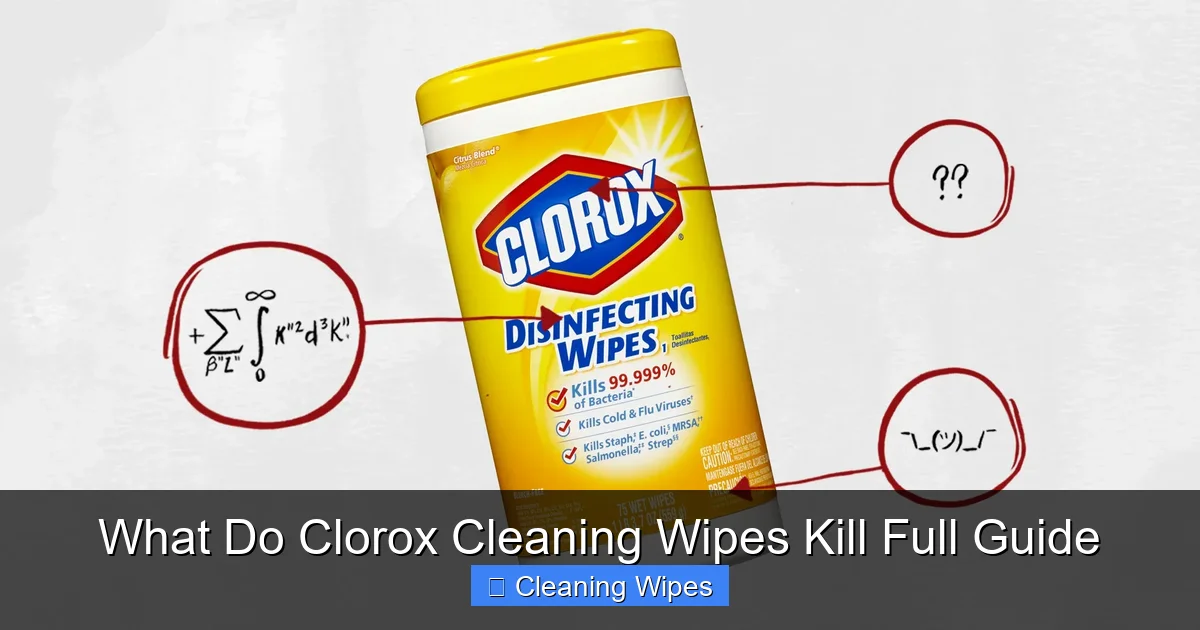
Visual guide about What Do Clorox Cleaning Wipes Kill Full Guide
Image source: melmagazine.com
Cleaning vs. Disinfecting vs. Sanitizing
Many people think cleaning, disinfecting, and sanitizing all mean the same thing. They do not. Here is the difference:
- Cleaning removes dirt, dust, crumbs, and some germs from surfaces. It does not always kill germs. It just moves them or washes them away.
- Sanitizing reduces the number of germs on a surface to a level considered safe by public health standards. It does not kill all germs.
- Disinfecting kills many or most germs on a surface, including bacteria and viruses, when used as directed.
Most Clorox disinfecting wipes are both cleaning and disinfecting wipes. They clean by wiping away dirt and they disinfect by killing germs with the chemical solution in the wipe.
Types of Germs Clorox Cleaning Wipes Are Designed to Kill
When people ask, “What do Clorox cleaning wipes kill?” they usually mean what types of germs. In general, Clorox disinfecting wipes are designed to kill:
- Bacteria – such as those that can cause food poisoning, skin infections, or other illnesses.
- Viruses – including many cold and flu viruses and other common respiratory viruses.
- Some fungi and mold – on hard, nonporous surfaces, if specifically listed on the product label.
Each specific Clorox cleaning wipes product has its own tested list of germs. That list is usually found on the back label under headings like “Kills” or “Effective against.”
Why the Label Matters
Not every Clorox wipe kills the same germs. Some are regular cleaning wipes. Some are disinfecting wipes. Some are specialty wipes, like bathroom or kitchen formulas. To know exactly what Clorox cleaning wipes kill, you must read the label on the exact product you are using.
Look for words like:
- “Disinfecting Wipes”
- “Kills 99.9% of bacteria and viruses”
- “EPA Reg. No.” (this shows it is a registered disinfectant in the U.S.)
If the label says it is a disinfecting wipe and lists certain germs, then that product has been tested to kill those germs when used correctly.
How to Read the Label to See What Clorox Cleaning Wipes Kill
Reading the label is the best way to know what Clorox cleaning wipes kill. Here is how to do it step by step.
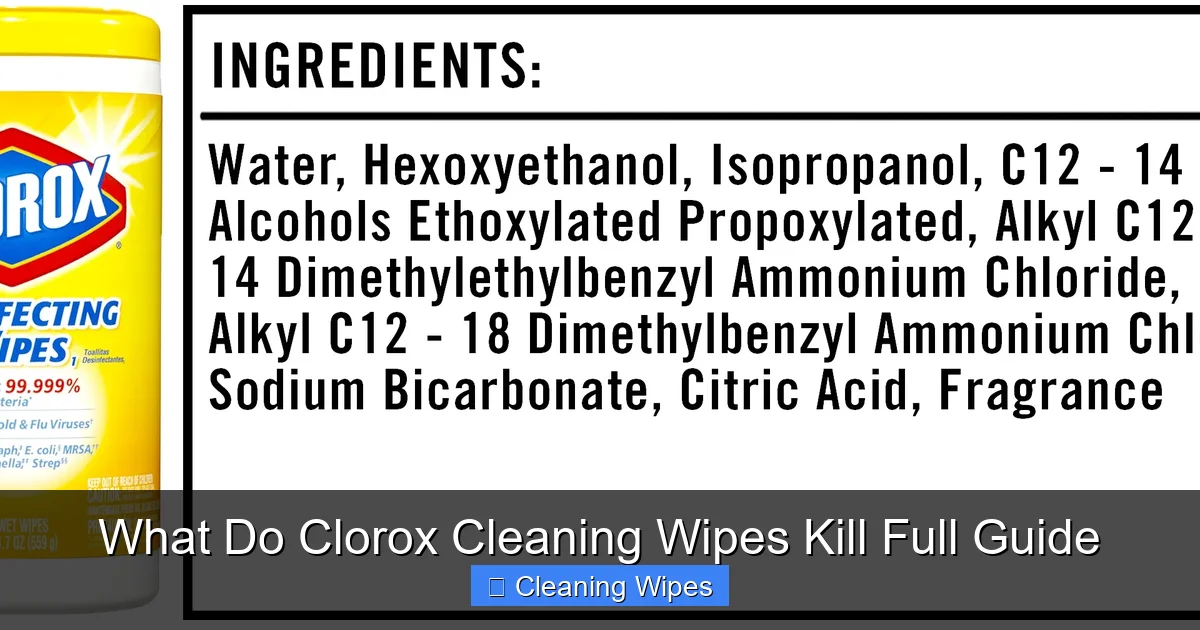
Visual guide about What Do Clorox Cleaning Wipes Kill Full Guide
Image source: melmagazine.com
Step 1: Find the “Kills” or “Effective Against” Section
Turn the container around and look at the back. You will usually see a section that says something like:
- “This product kills the following organisms:”
- “Effective against the following bacteria and viruses:”
Under that heading, you will see a list of germs. These may include:
- Common foodborne bacteria
- Respiratory viruses
- Other household or facility-related germs
This list tells you exactly what that type of Clorox cleaning wipes can kill.
Step 2: Look for Contact Time
Next, look for the “contact time.” This is how long the surface must stay wet with the wipe’s solution to kill the germs listed. It may say something like:
- “To disinfect: Use enough wipes to thoroughly wet surface. Allow surface to remain wet for 4 minutes.”
- Or a shorter or longer time, depending on the product and germ.
If you wipe and the surface dries too fast, or you wipe it dry right away, the germs may not be killed. Knowing contact time is key to making sure Clorox cleaning wipes kill what they are supposed to kill.
Step 3: Check Surface Types
The label will also tell you what surfaces the wipes are safe for. Most Clorox cleaning wipes are for hard, nonporous surfaces like:
- Countertops
- Doorknobs
- Light switches
- Toilet seats
- Faucets and handles
- Sealed tiles and sealed stone
They are usually not meant for:
- Unfinished wood
- Carpet or fabric
- Food directly
- Skin or pets
Knowing the right surfaces helps you use Clorox cleaning wipes where they can truly kill germs effectively and safely.
Step-by-Step: How to Use Clorox Cleaning Wipes So They Actually Kill Germs
Now that you know what Clorox cleaning wipes kill and how to read the label, you need to use them the right way. Many people wipe too quickly or on the wrong surfaces. Follow these steps to get full germ-killing power.
Step 1: Wash or Sanitize Your Hands First
Before you start, wash your hands with soap and water or use hand sanitizer. This helps you avoid spreading germs while you are trying to remove them. It also protects you from germs on dirty surfaces.
Step 2: Put on Gloves If You Have Sensitive Skin
Some people have skin that reacts to cleaning products. If that is you, wear disposable gloves. This keeps the chemicals in the Clorox cleaning wipes off your skin. If you do not have gloves, avoid touching your face while cleaning and wash hands well after you finish.
Step 3: Pre-Clean Very Dirty Surfaces
Clorox cleaning wipes work best on surfaces that are not heavily soiled. If you see thick dirt, grease, or sticky messes, do this first:
- Wipe away big crumbs or spills with a paper towel or cloth.
- If needed, wash the area with soap and water.
- Dry the surface lightly.
Once the surface looks mostly clean, you can disinfect with Clorox cleaning wipes. This helps the solution touch the germs directly, instead of just sitting on top of dirt or grease.
Step 4: Wipe the Surface Thoroughly
Open the container and pull out one wipe. Make sure it is fully wet. If it feels dry, toss it and grab another. Then:
- Wipe the surface so that every part is covered with the solution.
- Use firm, overlapping strokes to avoid missing spots.
- On high-touch areas (like doorknobs or phones), go over them a few times.
If the wipe starts to look very dirty or starts to dry out, get a fresh one. A dry or filthy wipe cannot disinfect well.
Step 5: Keep the Surface Wet for the Full Contact Time
This is the most important step. To make sure Clorox cleaning wipes kill the germs listed on the label, the surface must stay wet for the full contact time. To do this:
- Check the label for the exact time (for example, 4 minutes).
- Use enough wipes so the surface stays visibly wet the whole time.
- Do not wipe dry with a paper towel or cloth.
- Let the surface air-dry on its own.
If the surface dries before the contact time is over, you may need to wipe it again to re-wet it. Think of it like this: the longer the solution stays wet, the more time it has to kill germs.
Step 6: Rinse If the Label Says So (Especially for Food Surfaces)
On some surfaces, especially ones that touch food, the label may tell you to rinse with water after disinfecting. For example:
- Kitchen counters used for food prep
- Cutting boards (if the label allows them)
- Highchair trays (if the label allows them)
Follow the directions exactly. If it says “rinse with potable water,” that means wipe again with a clean cloth soaked in drinking water after the contact time is complete.
Step 7: Wash Your Hands When You Are Done
After using Clorox cleaning wipes, wash your hands with soap and water. This removes any leftover chemicals and germs you may have picked up. If you wore gloves, remove them safely and wash your hands anyway.
Where to Use Clorox Cleaning Wipes for Best Germ Control
Clorox cleaning wipes are most useful on “high-touch” surfaces. These are things many people touch many times a day. Using Clorox cleaning wipes on these spots can help reduce the spread of germs.
Best Places to Use Clorox Cleaning Wipes at Home
- Kitchen
- Countertops (if compatible with the material)
- Fridge handles and door edges
- Microwave and oven handles
- Cabinet pulls
- Trash can lids
- Bathroom
- Toilet seats and flush handles
- Sink faucets and handles
- Countertops and vanity surfaces
- Light switches and door handles
- Living areas
- Remote controls
- Game controllers
- Light switches
- Doorknobs and railings
- Personal items (if label allows)
- Phone cases and tablet cases
- Keyboards and mice
- Steering wheels and car door handles
Always test a small hidden area first if you are unsure whether a surface will react to the wipe’s solution.
Where NOT to Use Clorox Cleaning Wipes
To stay safe and protect your belongings, do not use Clorox cleaning wipes on:
- Skin or hands (they are not hand wipes)
- Pets or pet fur
- Unfinished or unsealed wood
- Delicate surfaces like some glasses or screens (unless label says it is safe)
- Soft fabrics, upholstery, or carpet
- Food directly (never wipe food with them)
If you are unsure, check the label or the manufacturer’s care guide for the item you want to clean.
Common Mistakes That Stop Clorox Cleaning Wipes from Killing Germs
Even if you know what Clorox cleaning wipes kill, you may not get the full benefit if you use them incorrectly. Here are common mistakes and how to fix them.
Mistake 1: Wiping Too Fast and Drying the Surface
Many people wipe a surface once and then dry it right away. This does not give the solution time to kill germs. Remember, the surface must stay wet for the full contact time on the label. Let it air-dry.
Mistake 2: Using One Wipe for Too Many Surfaces
If you use a single wipe on many dirty areas, it can spread germs instead of killing them. Once the wipe looks dirty or starts to dry out, throw it away and get a fresh one.
Mistake 3: Using Clorox Cleaning Wipes on the Wrong Surfaces
Using Clorox cleaning wipes on porous or delicate surfaces can damage them and may not kill germs effectively. Stick to hard, nonporous surfaces and always read both the wipe label and the surface manufacturer’s care instructions.
Mistake 4: Not Reading the Germ List
Not every Clorox product kills every germ. If you are worried about a specific germ, read the label to see if it is listed. If it is not listed, the product may not have been tested for that germ.
Mistake 5: Storing Wipes Incorrectly
If the container is left open, the wipes can dry out. Dry wipes will not disinfect. Make sure the lid snaps shut after each use. Store the container in a cool, dry place out of direct sunlight.
Safety Tips When Using Clorox Cleaning Wipes
Clorox cleaning wipes are convenient, but they are still chemical products. Use them safely to protect yourself, your family, and your home.
Tip 1: Keep Away from Children and Pets
Store Clorox cleaning wipes out of reach of children and pets. Do not let young children handle them, and never let pets lick surfaces that are still wet with the solution.
Tip 2: Do Not Mix with Other Cleaners
Do not use Clorox cleaning wipes at the same time as other cleaning sprays or chemicals on the same surface. Mixing chemicals can sometimes create fumes or reduce the effectiveness of both products.
Tip 3: Ventilate the Area
When using Clorox cleaning wipes in a small or closed space, open a window or turn on a fan if you can. This helps reduce any smell and keeps air fresh.
Tip 4: Dispose of Wipes Properly
Throw used wipes in the trash. Do not flush them down the toilet. Flushing wipes can clog pipes and cause plumbing problems, even if the package says “flushable.”
Tip 5: Protect Sensitive Materials
On painted surfaces, screens, or special finishes, test a small hidden spot first. If you see discoloration or damage, do not use Clorox cleaning wipes on that material.
Do Clorox Cleaning Wipes Kill All Germs?
It is important to understand that no household wipe kills every germ. Even if the label says it kills 99.9% of bacteria and viruses, that refers to the germs listed on the label, under the test conditions used.
So when you ask, “What do Clorox cleaning wipes kill?” the honest answer is:
- They kill many common household bacteria and viruses.
- They reduce the number of germs on surfaces when used correctly.
- They do not kill every possible germ in every situation.
They are one important tool in a larger cleaning routine that includes handwashing, safe food handling, and good hygiene.
Putting It All Together: A Simple Routine with Clorox Cleaning Wipes
Here is an easy daily or weekly routine to make the most of what Clorox cleaning wipes kill.
Daily Quick Clean
- Wipe kitchen counters after cooking and before food prep.
- Wipe bathroom faucets, sink edges, and toilet handles.
- Wipe doorknobs and light switches in busy rooms.
- Wipe remote controls and phone cases in shared spaces.
Make sure surfaces stay wet for the contact time, then let them air-dry.
Weekly Deeper Disinfect
- Focus on high-touch areas in every room.
- Move items like soap dispensers and small appliances to wipe under them.
- Clean first if surfaces are visibly dirty, then disinfect with fresh wipes.
- Rinse food-contact surfaces with water if the label says to.
This simple routine, done with proper use, takes full advantage of what Clorox cleaning wipes kill and helps keep your home healthier.
Conclusion
Clorox cleaning wipes are powerful tools for everyday cleaning and germ control. When you know what Clorox cleaning wipes kill, how to read the label, and how to use them correctly, they become much more effective. They are designed to kill many common bacteria and viruses on hard, nonporous surfaces, as long as those surfaces stay wet for the full contact time.
Use them on the right surfaces, avoid common mistakes, and follow all safety directions. Combined with good hygiene and regular cleaning, Clorox cleaning wipes can help reduce the spread of germs in your home, office, or classroom and make your spaces feel cleaner and safer.