Cleaning wipes are made from a mix of fabric-like materials and cleaning chemicals that work together to remove dirt and germs. This guide breaks down the fibers, liquids, and preservatives inside your wipes and explains how they affect safety, skin, and the environment. You will learn how to read labels, choose safer options, and use cleaning wipes correctly at home.
Contents
- 1 Key Takeaways
- 2 Introduction: What Are Cleaning Wipes Made Of and Why It Matters
- 3 Step 1: Understand the Two Main Parts of a Cleaning Wipe
- 4 Step 2: Learn the Common Materials Used in Wipe Fabrics
- 5 Step 3: Understand the Chemicals in the Cleaning Solution
- 6 Step 4: Match the Wipe Type to Its Materials and Use
- 7 Step 5: Check Safety and Read Labels Carefully
- 8 Step 6: Consider Environmental Impact and Disposal
- 9 Step 7: Troubleshooting Common Problems with Cleaning Wipes
- 10 Conclusion: How to Choose and Use Cleaning Wipes Safely
- 11 Author
Key Takeaways
- Point 1: Cleaning wipes are made of a fabric base plus a liquid cleaning solution that may include surfactants, disinfectants, and preservatives.
- Point 2: Many wipes use plastic-based fibers like polyester and polypropylene, which are not biodegradable and can harm the environment.
- Point 3: “Flushable” wipes are often misleading; most do not fully break down and can clog plumbing and damage sewer systems.
- Point 4: Fragrances, dyes, and certain preservatives in cleaning wipes can irritate sensitive skin or trigger allergies and asthma.
- Point 5: Safer choices include fragrance-free, alcohol-free, and plant-based wipes made from biodegradable fibers like bamboo or viscose.
- Point 6: Using wipes correctly—on the right surfaces, with proper contact time, and safe disposal—reduces health and environmental risks.
- Point 7: You can often replace cleaning wipes with reusable cloths and simple cleaners like soap and water for everyday messes.
Introduction: What Are Cleaning Wipes Made Of and Why It Matters
Cleaning wipes are everywhere. We use them on kitchen counters, bathroom sinks, kids’ toys, phones, and even our hands. They feel simple and handy. But inside each wipe is a mix of materials and chemicals that you rarely see on the surface.
In this guide, you will learn exactly what cleaning wipes are made of. We will look at the fabric, the cleaning solution, and the extra ingredients like fragrance and preservatives. You will also learn how these materials affect safety, your skin, your home, and the environment.
By the end, you will know how to read labels, how to pick safer wipes, and how to use and dispose of them the right way. This is a practical, step-by-step guide to help you understand what cleaning wipes are made of and how to use them wisely.
Step 1: Understand the Two Main Parts of a Cleaning Wipe
To understand what cleaning wipes are made of, start with the two basic parts:
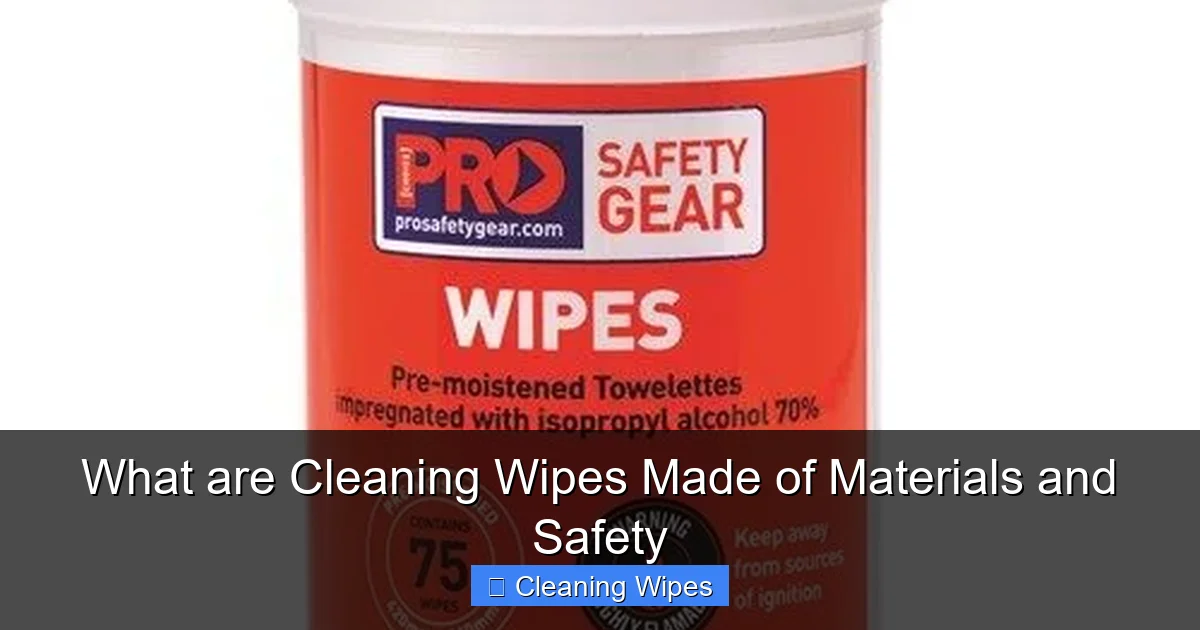
Visual guide about What are Cleaning Wipes Made of Materials and Safety
Image source: barwonsafety.com.au
- The wipe material (the fabric or sheet)
- The liquid solution (the cleaner inside the package)
1.1 The Wipe Material (Base Fabric)
The base fabric is the part you touch. It feels like cloth or paper, but it is usually a mix of different fibers. This base is often called a nonwoven fabric. That means the fibers are pressed or bonded together, not woven like a shirt or towel.
Common base materials include:
- Polyester – A plastic fiber that is strong and smooth. It does not break down easily.
- Polypropylene – Another plastic fiber that is light and cheap. It is used in many disposable products.
- Rayon / Viscose – A fiber made from plant cellulose, often from wood pulp. It can be softer and more absorbent.
- Cotton – Natural, soft, and absorbent, but more expensive. Used in some premium or baby wipes.
- Bamboo fibers – Plant-based, often marketed as eco-friendly and biodegradable.
Most cleaning wipes are made from a blend of these fibers. For example, a common mix is polyester and rayon. The blend affects how strong, soft, and absorbent the wipe feels.
1.2 The Liquid Cleaning Solution
The second part of what cleaning wipes are made of is the liquid. This is the “wet” part that does the cleaning or disinfecting. The liquid is usually a mix of:
- Water – The main ingredient in most cleaning wipes.
- Surfactants – Cleaning agents that help lift dirt, grease, and oils.
- Disinfectants – Chemicals that kill bacteria, viruses, and fungi (in disinfecting wipes).
- Solvents – Help dissolve oily or sticky messes.
- Preservatives – Prevent mold and bacteria from growing in the package.
- Fragrance and dyes – Add scent and color.
Each brand uses a different recipe. Some focus on strong disinfecting power. Others focus on gentle cleaning for skin or baby use. When you ask what cleaning wipes are made of, you must look at both the fabric and this liquid mix.
Step 2: Learn the Common Materials Used in Wipe Fabrics
To really understand what cleaning wipes are made of, you need to know more about the fibers in the wipe itself.
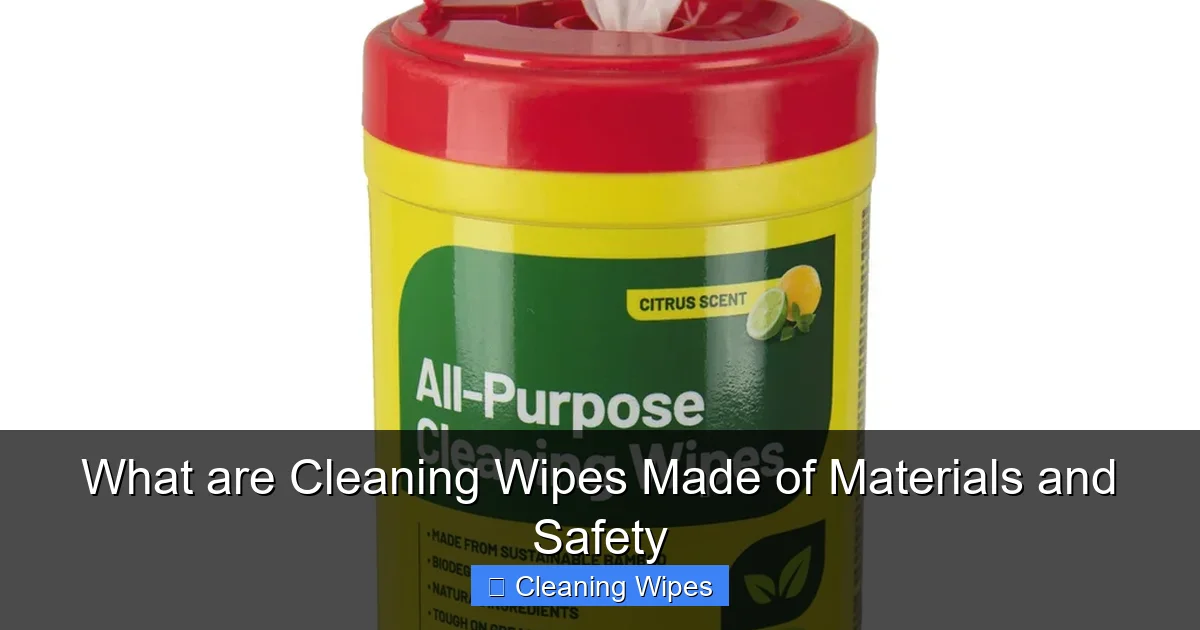
Visual guide about What are Cleaning Wipes Made of Materials and Safety
Image source: rtshomeaccents.com
2.1 Plastic-Based Fibers (Polyester and Polypropylene)
Many cleaning wipes are made mostly from plastic fibers. These include:
- Polyester – Durable, resists tearing, holds liquid well.
- Polypropylene – Very cheap, light, and widely used in disposable products.
Pros:
- Strong and do not fall apart easily.
- Good for scrubbing and heavy cleaning.
- Stay wet and usable longer.
Cons:
- Not biodegradable; they can last for years in landfills.
- Can break into microplastics that harm oceans and wildlife.
- Not safe to flush, even if the package suggests it.
2.2 Plant-Based Fibers (Rayon, Viscose, Cotton, Bamboo)
Some wipes use more plant-based fibers. These are often marketed as “natural” or “eco-friendly.”
- Rayon / Viscose – Made from wood pulp or other plant cellulose. Soft and absorbent.
- Cotton – Natural, gentle, and comfortable on skin.
- Bamboo fibers – Come from bamboo plants, often used in “green” wipes.
Pros:
- Can be softer on skin and less irritating.
- Some types are biodegradable under the right conditions.
- Often feel more like real cloth.
Cons:
- May be less strong when very wet.
- Production can still use chemicals and energy.
- Not always as “green” as labels suggest, depending on processing.
2.3 Blended Fabrics
Many cleaning wipes are made of mixed fibers. For example, a wipe might be 60% polyester and 40% viscose. This blend tries to balance strength, cost, softness, and absorbency.
When you want to know what cleaning wipes are made of, check the package for words like “polyester,” “polypropylene,” “rayon,” “viscose,” “cotton,” or “bamboo.” If there is no detail, you can often find it on the brand’s website.
Step 3: Understand the Chemicals in the Cleaning Solution
The liquid inside the pack is just as important as the fabric when you ask what cleaning wipes are made of. Here are the main types of chemicals you will see.
3.1 Surfactants (The Main Cleaners)
Surfactants are the cleaning workhorses. They lower the surface tension of water and help lift dirt and grease.
Common surfactants include:
- Nonionic surfactants – Gentle and effective on many surfaces.
- Anionic surfactants – Stronger cleaners, can be more irritating to skin.
They help wipes remove food spills, soap scum, and general grime. In baby or facial wipes, surfactants are usually milder.
3.2 Disinfecting Agents
Disinfecting wipes are made of stronger chemicals that kill germs. Some common active ingredients are:
- Quaternary ammonium compounds (“quats”) – Very common in household disinfecting wipes.
- Sodium hypochlorite – Bleach, used in some heavy-duty wipes.
- Alcohols – Such as ethanol or isopropyl alcohol, used in many sanitizing wipes.
These ingredients can kill many bacteria and viruses when used correctly. But they can also be harsh on skin and surfaces if overused.
3.3 Preservatives
Because cleaning wipes stay moist in a sealed pack, they need preservatives. Without them, mold and bacteria could grow inside the pack.
Common preservatives include:
- Phenoxyethanol
- Parabens
- Benzalkonium chloride (also a disinfectant)
- Methylisothiazolinone (MIT) and related compounds
These keep the wipes safe to use over time. However, some people are sensitive or allergic to certain preservatives. If you have sensitive skin, this is an important part of what cleaning wipes are made of.
3.4 Fragrances and Dyes
Many wipes have added fragrance to make your home smell “fresh.” They may also have dyes to give the liquid a slight color.
While these do not help with cleaning, they affect your experience. They can also cause problems for people with allergies, asthma, or sensitive skin.
If you react to scents or get headaches from strong smells, choose fragrance-free wipes. This is a key safety step when you think about what cleaning wipes are made of.
Step 4: Match the Wipe Type to Its Materials and Use
Different types of cleaning wipes are made of different materials and chemicals. To choose the right one, you need to match the type to your needs.
4.1 Disinfecting Wipes
What they are made of:
- Often plastic-based fabrics for strength.
- Strong disinfectants like quats, bleach, or alcohol.
- Preservatives and sometimes fragrance.
Best uses: Bathroom surfaces, high-touch areas, door handles, light switches, and during illness.
Safety tips:
- Check the label for required “contact time” (how long the surface must stay wet).
- Do not use on skin unless the label says it is safe.
- Ventilate the room if the smell is strong.
4.2 Multi-Surface Cleaning Wipes
What they are made of:
- Fabric blends like polyester and viscose.
- Milder surfactants, sometimes with light disinfecting power.
- Fragrance and preservatives.
Best uses: Kitchen counters, appliances, tables, and quick cleanups.
Safety tips:
- Rinse food-contact surfaces if the label suggests it.
- Avoid using on natural stone or special finishes unless approved.
4.3 Personal Care and Baby Wipes
What they are made of:
- Softer fabrics like cotton, viscose, or blends.
- Very mild surfactants or just water and moisturizers.
- Preservatives, sometimes fragrance-free for sensitive skin.
Best uses: Skin, diaper changes, face and hands (if labeled safe).
Safety tips:
- Choose fragrance-free for babies and sensitive skin.
- Stop use if redness or rash appears.
Step 5: Check Safety and Read Labels Carefully
Knowing what cleaning wipes are made of is only helpful if you also know how to use them safely. Labels give you clues.
5.1 How to Read the Ingredient List
Look for:
- Active ingredients – These do the disinfecting. They are usually listed with exact percentages.
- Other ingredients – Surfactants, preservatives, fragrance, and water.
- Warnings – Such as “avoid contact with eyes” or “keep out of reach of children.”
If you see long chemical names and you have sensitive skin, search the main ones online or on medical sites. This helps you understand what your cleaning wipes are made of and how they might affect you.
5.2 Look for Safety Claims and Certifications
Some wipes have extra labels such as:
- Dermatologist tested – Tested on skin, but this does not guarantee no reactions.
- Hypoallergenic – Formulated to reduce allergy risk, but still not perfect.
- Fragrance-free – No added scent; good for sensitive users.
- EPA-registered (for disinfecting wipes) – Means the product has been reviewed for effectiveness and safety when used as directed.
5.3 Avoid Common Misunderstandings
When people ask what cleaning wipes are made of, they often assume “gentle” or “natural” means safe for everything. This is not always true.
- “Natural” does not always mean non-irritating.
- “Flushable” does not mean it breaks down like toilet paper.
- “For household use” does not mean safe for skin or pets.
Always follow the directions on the label, even if the wipe seems mild.
Step 6: Consider Environmental Impact and Disposal
Another key part of what cleaning wipes are made of is how they affect the environment after use.
6.1 Why Most Wipes Should Not Be Flushed
Many cleaning wipes are made from plastic fibers that do not break down in water. Even some labeled “flushable” do not fully disintegrate like toilet paper.
Flushing wipes can:
- Clog pipes in your home.
- Cause blockages in city sewer systems.
- Contribute to “fatbergs” made of grease and wipes.
The safest rule is simple: Do not flush cleaning wipes. Throw them in the trash unless your plumbing provider clearly says otherwise.
6.2 Biodegradable and Compostable Wipes
Some brands now offer wipes made of biodegradable materials, such as bamboo or certain types of viscose. But remember:
- Biodegradable means it can break down over time, but not always quickly.
- Compostable means it can break down in a compost system, often industrial, not always in a home bin.
- The liquid ingredients may still contain chemicals that are not ideal for compost.
If you want greener options, look for wipes that clearly state “100% biodegradable fibers” and check if independent certifications are listed.
6.3 How to Reduce Wipe Waste
Once you know what cleaning wipes are made of, you may want to reduce how many you use. Here are simple steps:
- Use reusable cloths and simple cleaners for daily tasks.
- Save wipes for quick disinfecting and on-the-go use.
- Buy only as many wipes as you will use before they dry out.
Step 7: Troubleshooting Common Problems with Cleaning Wipes
Even when you know what cleaning wipes are made of, issues can still pop up. Here is how to handle common problems.
7.1 Wipes Drying Out in the Package
Possible causes:
- Lid not closed tightly.
- Package stored in a hot place.
- Product is old.
What to do:
- Always snap the lid fully shut after each use.
- Store wipes in a cool, dry place, away from direct sun.
- If slightly dry, you can add a small amount of distilled water to non-disinfecting wipes, but this may affect preservatives and is not ideal. Do not add water to disinfecting wipes, as it can dilute the active ingredients.
7.2 Skin Irritation or Allergic Reactions
Possible causes:
- Fragrance, dyes, or harsh preservatives.
- Strong disinfecting agents.
What to do:
- Stop using the product right away.
- Rinse the area with mild soap and water.
- Switch to fragrance-free, hypoallergenic wipes or plain soap and water.
- If irritation is severe or does not go away, talk to a doctor.
7.3 Damage to Surfaces
Possible causes:
- Using disinfecting wipes on delicate surfaces like natural stone, leather, or unfinished wood.
- Using abrasive fabrics on shiny or coated surfaces.
What to do:
- Always test on a small hidden area first.
- Read the label for surfaces to avoid.
- Use a soft cloth and gentle cleaner for delicate items.
Conclusion: How to Choose and Use Cleaning Wipes Safely
Now you know what cleaning wipes are made of: a base fabric plus a liquid mix of water, surfactants, disinfectants, preservatives, and sometimes fragrance and dyes. You also know that many wipes use plastic fibers, while others use plant-based materials like cotton, viscose, or bamboo.
To use cleaning wipes safely and wisely:
- Match the type of wipe to the job you need to do.
- Read labels to understand the ingredients and warnings.
- Choose fragrance-free or gentle formulas if you have sensitive skin.
- Do not flush wipes; throw them in the trash.
- Consider reusable cloths and simple cleaners for everyday use.
When you understand what cleaning wipes are made of, you can make better choices for your home, your health, and the environment. Use this guide as a reference each time you buy or use a new pack of wipes.