Do Seventh Generation wipes kill norovirus? The short answer is usually no, unless the specific product is EPA-registered and clearly labeled as effective against norovirus. This guide explains what norovirus is, how disinfectant claims work, and how to use wipes correctly. Learn how to read labels, choose the right products, and follow proper cleaning steps to reduce your risk of infection.
Do Seventh Generation Wipes Kill Norovirus Truth Revealed
Contents
- 1 Key Takeaways
- 2 Introduction: The Real Story Behind Wipes and Norovirus
- 3 Step 1: Understand What Norovirus Really Is
- 4 Step 2: Learn How Disinfectant Claims Work
- 5 Step 3: Do Seventh Generation Wipes Kill Norovirus?
- 6 Step 4: How to Clean Safely If Norovirus Is Suspected
- 7 Step 5: Use Seventh Generation Wipes Wisely
- 8 Step 6: Build a Complete Norovirus Defense Plan
- 9 Troubleshooting: Common Mistakes and How to Fix Them
- 10 Conclusion: The Truth About Seventh Generation Wipes and Norovirus
- 11 Author
Key Takeaways
- Point 1: Most standard Seventh Generation wipes are cleaners, not hospital-grade disinfectants, and typically do not list norovirus on the label.
- Point 2: A wipe can only claim to kill norovirus if it is EPA-registered and specifically states “effective against norovirus” or the equivalent virus on the label.
- Point 3: To deal with norovirus, you usually need a stronger disinfectant (often bleach-based) and strict cleaning steps, not just gentle plant-based wipes.
- Point 4: Reading the product label and EPA registration number is the only reliable way to know if a wipe kills norovirus.
- Point 5: Even with the right product, you must follow proper contact time, surface prep, and safety steps for it to work.
- Point 6: Seventh Generation wipes can help with everyday cleaning, but they should be part of a larger norovirus prevention plan.
- Point 7: Handwashing, safe food handling, and quick cleanup of vomit or diarrhea are just as important as using any wipe.
Introduction: The Real Story Behind Wipes and Norovirus
Norovirus is one of the most contagious stomach bugs in the world. It spreads fast in homes, schools, daycares, and nursing homes. When someone gets sick, the first thing many people reach for is a pack of wipes. If you like eco-friendly brands, you may ask yourself: do Seventh Generation wipes kill norovirus?
The honest answer is a bit more complex than a simple yes or no. Not all wipes are the same. Some are cleaners. Some are sanitizers. Some are true disinfectants. And only certain disinfectants can claim to kill norovirus.
In this guide, you will learn:
- What norovirus is and why it is so hard to kill
- How disinfectant claims work in the United States
- Whether Seventh Generation wipes are designed to kill norovirus
- How to read labels so you can choose the right product
- Step-by-step instructions to clean and disinfect after a norovirus incident
- Extra tips to protect your family from future outbreaks
By the end, you will know exactly what to expect from these wipes and what else you may need to stay safe.
Step 1: Understand What Norovirus Really Is
What Is Norovirus?
Norovirus is a very contagious virus that causes vomiting and diarrhea. People often call it the “stomach flu,” but it is not related to the flu. It spreads through tiny particles from vomit or stool. These particles can land on surfaces, food, or your hands.
Visual guide about Do Seventh Generation wipes kill norovirus truth revealed
Image source: seventhgeneration.com
Norovirus is tough. It can survive on surfaces for days or even weeks. It only takes a very small amount of virus to make someone sick. That is why cleaning and disinfecting correctly is so important.
Why Norovirus Is Hard to Kill
Many germs, like common bacteria, are easier to kill than norovirus. Norovirus has a strong outer shell. This shell helps it survive on hard surfaces, clothing, and even some cleaning products.
Because of this, not every wipe or spray that “kills germs” can kill norovirus. To handle norovirus, you usually need a stronger disinfectant and very careful cleaning steps.
Step 2: Learn How Disinfectant Claims Work
What “Kills Germs” Really Means
Many products say things like “kills 99.9% of germs.” That sounds powerful, but it is also very vague. Which germs? Under what conditions? For how long must the surface stay wet?
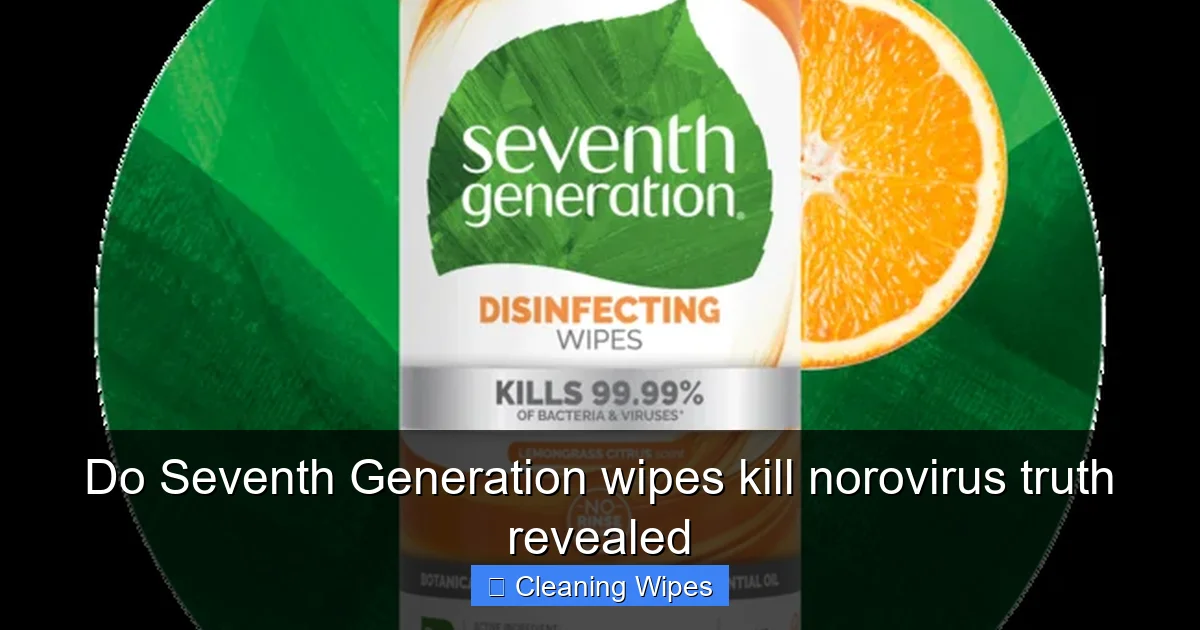
Visual guide about Do Seventh Generation wipes kill norovirus truth revealed
Image source: seventhgeneration.com
In the United States, the Environmental Protection Agency (EPA) regulates disinfectants. If a product says it kills a specific germ, it must be tested and approved. The label will list which bacteria and viruses it kills. Norovirus is one of those viruses that requires proof.
Look for the EPA Registration Number
If a product is a true disinfectant, it will have an EPA registration number on the label. This number shows that the product was reviewed and approved for certain claims.
When you wonder, do Seventh Generation wipes kill norovirus, the EPA number is a key clue. If a product does not have this number, it is not registered as a disinfectant. That means it cannot legally claim to kill norovirus, even if it helps with general cleaning.
Norovirus vs. “Stomach Bug” Claims
Some products may mention “stomach bugs” or “intestinal viruses” in general terms. But for norovirus, you want to see very clear wording. Look for “effective against norovirus” or a specific strain name, such as “Norovirus (feline calicivirus as surrogate).”
Without that clear language, you should assume the product does not have proven norovirus-killing power.
Step 3: Do Seventh Generation Wipes Kill Norovirus?
The Nature of Most Seventh Generation Wipes
Seventh Generation is known for plant-based, eco-conscious cleaning products. Many of their wipes are designed as cleaning wipes, not hospital-grade disinfectants. They are great for everyday messes, dust, fingerprints, and light soil.
However, most standard Seventh Generation wipes are not designed to be heavy-duty disinfectants for tough viruses like norovirus. Their formulas focus on safer ingredients and reduced harsh chemicals.
Check the Specific Product Type
It is important to understand that “Seventh Generation wipes” is a broad term. The brand may offer:
- All-purpose cleaning wipes
- Disinfecting wipes (with specific active ingredients)
- Baby wipes or personal care wipes
Baby wipes and general cleaning wipes are not meant to kill viruses like norovirus. They may remove some germs physically, but they are not tested or approved as norovirus disinfectants.
Even if the brand offers a “disinfecting wipe,” you still must read the label. Some disinfecting wipes are tested for bacteria and certain viruses, but not for norovirus. The label is your only reliable guide.
How to Confirm Norovirus Claims
To know if a specific Seventh Generation disinfecting wipe kills norovirus, do the following:
- Step 1: Find the product name and exact variant (scent, size, etc.).
- Step 2: Look for “disinfecting” or “kills 99.9% of bacteria and viruses” on the front label.
- Step 3: Turn the package over and read the fine print.
- Step 4: Look for an EPA registration number and a list of organisms the product kills.
- Step 5: Check if “norovirus” or its surrogate virus is clearly listed.
If norovirus is not listed, you should assume the product is not proven to kill it, even if it kills many other germs.
Because product lines and formulas can change over time, always check the most recent label and the manufacturer’s website for the latest information.
Step 4: How to Clean Safely If Norovirus Is Suspected
When Someone Gets Sick
When someone vomits or has diarrhea, norovirus may be present. The goal is to remove the mess and then disinfect the area. Even if you have Seventh Generation wipes, you may need a stronger disinfectant for this job.
Here is a safe way to handle a norovirus incident at home:
Step 4.1: Protect Yourself First
- Put on disposable gloves if you have them.
- If possible, wear a mask or cover your nose and mouth with a cloth.
- Open a window or turn on a fan for ventilation.
Norovirus can become airborne in tiny droplets during vomiting. Protecting yourself helps prevent you from getting sick while you clean.
Step 4.2: Remove the Bulk Mess
- Use paper towels or disposable cloths to pick up the visible mess.
- Place all used towels and cloths into a plastic bag.
- Seal the bag tightly and throw it away in an outdoor trash can if possible.
Do not use reusable cloths for this step if you can avoid it. If you must, wash them later on the hottest setting with detergent and, if allowed, bleach.
Step 4.3: Choose the Right Disinfectant
This is where the question do Seventh Generation wipes kill norovirus becomes critical. If your wipes are not certified for norovirus, you should use a proven disinfectant. Many health authorities recommend a bleach solution for norovirus.
A common bleach mix is:
- 5–25 tablespoons of household bleach (5.25–8.25%) per gallon of water, depending on surface and guidance from health agencies.
Always follow the bleach label for safe mixing and use. If you prefer commercial disinfectants, pick one that clearly states it is effective against norovirus and has an EPA registration number.
Step 4.4: Clean, Then Disinfect
Norovirus disinfectants work best on clean surfaces. You may use a cleaner first to remove dirt and residue. Seventh Generation cleaning wipes can help with this “pre-clean” step.
- First, wipe the area to remove any remaining soil.
- Then apply your norovirus-effective disinfectant.
- Make sure the surface stays visibly wet for the full contact time listed on the label (often several minutes).
If you only use wipes that are not proven to kill norovirus, you may not fully disinfect the area, even if the surface looks clean.
Step 4.5: Dispose and Wash Up
- Throw away used wipes, gloves, and paper towels in a sealed bag.
- Wash your hands thoroughly with soap and water for at least 20 seconds.
- Do not rely only on hand sanitizer; norovirus is better removed by soap and water.
Step 5: Use Seventh Generation Wipes Wisely
Where These Wipes Fit In
Even if Seventh Generation wipes do not kill norovirus, they can still be useful. They are helpful for:
- Daily kitchen and bathroom cleaning
- Wiping counters, tables, and handles
- Removing dirt and spills before disinfection
- Maintaining a cleaner environment in between deep cleanings
Think of them as part of a layered approach. They support overall cleanliness, which can reduce the spread of many germs. But for a confirmed or suspected norovirus incident, you still need a proven disinfectant.
How to Get the Most from Them
- Use them on hard, non-porous surfaces (like counters and doorknobs).
- Wipe in one direction to avoid spreading germs around.
- Use enough wipes so the surface looks visibly wet while you clean.
- Allow the surface to air dry if the label suggests it.
Always read and follow the directions on your specific package. Different formulas may have different instructions.
Step 6: Build a Complete Norovirus Defense Plan
Handwashing Is Non-Negotiable
No wipe can replace proper handwashing. Norovirus often spreads through hands that touch contaminated surfaces, then touch food, the mouth, or the face.
- Wash hands with soap and water for at least 20 seconds.
- Wash before eating, after using the bathroom, and after cleaning.
- Help children wash well; they often rush and miss spots.
Handle Food Safely
Norovirus can also spread through food. To lower your risk:
- Rinse fruits and vegetables under running water.
- Cook shellfish completely; avoid undercooked oysters.
- Do not prepare food for others if you are sick or just recovering.
Clean High-Touch Surfaces Regularly
Even when no one is sick, regular cleaning helps. Use your regular wipes for daily cleaning, and keep a stronger disinfectant on hand for illness outbreaks.
- Focus on doorknobs, light switches, faucets, toilet handles, and remote controls.
- Increase cleaning frequency during cold and stomach bug season.
Know When to Use Stronger Products
If someone in your home has vomiting or diarrhea, treat it as a possible norovirus case. This is when you move beyond gentle cleaners and use products that clearly state they can kill norovirus.
Ask yourself again: do Seventh Generation wipes kill norovirus in this exact situation? If your label does not say so, use them only as a pre-cleaner, then follow with a proven disinfectant.
Troubleshooting: Common Mistakes and How to Fix Them
Mistake 1: Assuming “Natural” Means “Strong Enough”
Many people believe that if a product is plant-based or natural, it can handle every germ. This is not true. Norovirus is very tough. Gentle cleaners may help with everyday messes but not with serious outbreaks.
Fix: Use eco-friendly products for daily cleaning, but keep an EPA-registered norovirus disinfectant for emergencies.
Mistake 2: Not Reading the Label
It is easy to grab any wipes and assume they all do the same thing. But labels matter. Without the right claims, you may not be getting the protection you think you are.
Fix: Take a minute to read the back of the package. Look for the EPA number and a list of germs. If norovirus is not there, do not rely on that product for a norovirus incident.
Mistake 3: Wiping Too Quickly
Disinfectants need time to work. If you wipe a surface and dry it right away, you may remove the product before it kills the germs.
Fix: Follow the contact time on the label. Keep the surface wet for the full time, usually several minutes, before letting it air dry.
Mistake 4: Using Wipes on the Wrong Surfaces
Some surfaces are porous, like unfinished wood, fabric, or some stone. Wipes are designed mainly for hard, non-porous surfaces. On porous materials, germs can hide in tiny gaps.
Fix: For porous surfaces, follow manufacturer guidance. You may need different cleaning methods, such as hot water and detergent, or special fabric-safe disinfectants.
Conclusion: The Truth About Seventh Generation Wipes and Norovirus
So, do Seventh Generation wipes kill norovirus? In most cases, standard Seventh Generation cleaning or baby wipes are not designed or approved to kill norovirus. They are excellent for everyday cleaning, but they are not a replacement for a proven norovirus disinfectant.
To protect your family:
- Use Seventh Generation wipes for routine cleaning and pre-cleaning.
- Read labels carefully to see what each product is truly tested to do.
- Keep at least one EPA-registered disinfectant that clearly lists norovirus for emergencies.
- Practice strong handwashing and safe food handling every day.
By understanding what your wipes can and cannot do, you can make smarter choices. You do not have to give up eco-friendly products, but you should combine them with targeted disinfectants when norovirus is a concern. That balance gives you both a cleaner home and better protection when stomach bugs strike.