Many cleaning wipes are not truly biodegradable, even when the label suggests they are. This guide explains what “biodegradable” really means, how to read wipe packaging, and which materials break down safely. You will learn how to choose eco-friendly wipes, how to dispose of them correctly, and what sustainable alternatives you can use at home.
Contents
- 1 Key Takeaways
- 2 Are Cleaning Wipes Biodegradable? Eco Facts and Options
- 3 Step 1: Understand What “Biodegradable” Really Means
- 4 Step 2: Know What Cleaning Wipes Are Made From
- 5 Step 3: Learn How to Read Wipe Labels Carefully
- 6 Step 4: Understand Why You Should Never Flush Wipes
- 7 Step 5: Learn How to Dispose of Wipes the Right Way
- 8 Step 6: Choose Better, More Eco-Friendly Wipes
- 9 Step 7: Switch to Reusable and DIY Alternatives
- 10 Troubleshooting: Common Problems and How to Fix Them
- 11 How Biodegradable Wipes Impact the Environment
- 12 Conclusion: Making Smarter Choices About Cleaning Wipes
- 13 Author
Key Takeaways
- Point 1: Most conventional cleaning wipes are not biodegradable and can persist in landfills and waterways for years.
- Point 2: “Biodegradable” on packaging is often vague; true eco wipes should be plastic-free and made from natural fibers like cotton or bamboo.
- Point 3: Even biodegradable cleaning wipes should go in the trash unless they are clearly labeled as compostable and certified.
- Point 4: Never flush cleaning wipes, biodegradable or not, because they can clog pipes and damage sewer systems.
- Point 5: You can switch to reusable cloths, DIY cleaning sprays, and refill systems to reduce waste from wipes.
- Point 6: Learning how to read labels and certifications helps you avoid greenwashing and pick truly eco-friendly options.
- Point 7: Small changes in how you buy and dispose of wipes can significantly cut your household’s plastic and chemical footprint.
Are Cleaning Wipes Biodegradable? Eco Facts and Options
Cleaning wipes are everywhere. They are fast, easy, and convenient. But are cleaning wipes biodegradable? The answer is not as simple as many labels make it seem.
In this guide, you will learn how to tell if cleaning wipes are biodegradable, what that really means, and how to choose better options. You will also see how to dispose of wipes the right way and what eco-friendly alternatives you can use instead.
By the end, you will know how to keep your home clean without creating a big mess for the planet.
Step 1: Understand What “Biodegradable” Really Means
What does biodegradable mean?
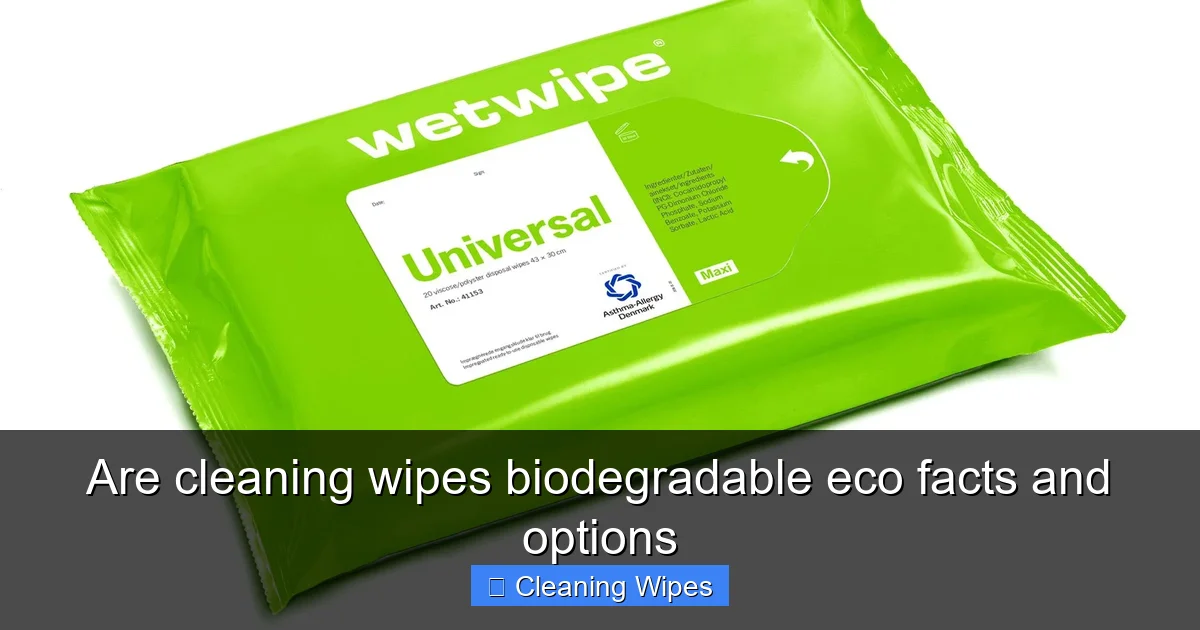
When people ask, “Are cleaning wipes biodegradable?” they often imagine wipes vanishing quickly into nature. But “biodegradable” is a broad word. It simply means a material can be broken down by bacteria, fungi, or other living organisms.
Visual guide about Are cleaning wipes biodegradable eco facts and options
Image source: nicewetwipe.com
The problem is that almost anything will break down if you wait long enough. A product can be called biodegradable even if it takes many years to decay, or if it only breaks down in special industrial conditions that most places do not have.
Biodegradable vs compostable
- Biodegradable: Will eventually break down, but there is no set time frame or required conditions. It might still leave microplastics or toxic residues behind.
- Compostable: Designed to break down into non-toxic, natural materials like water, carbon dioxide, and biomass. Compostable products should meet specific standards and usually have certifications.
So when you ask, “Are cleaning wipes biodegradable?” you also need to ask how fast they break down, under what conditions, and what they leave behind.
Why the term can be misleading
Brands know that people want green products. Some use the word “biodegradable” on cleaning wipes to make them sound eco-friendly, even if they are not much better than regular wipes. This is called greenwashing.
To avoid this, you must look deeper than just the big word on the front of the pack.
Step 2: Know What Cleaning Wipes Are Made From
Common materials in cleaning wipes
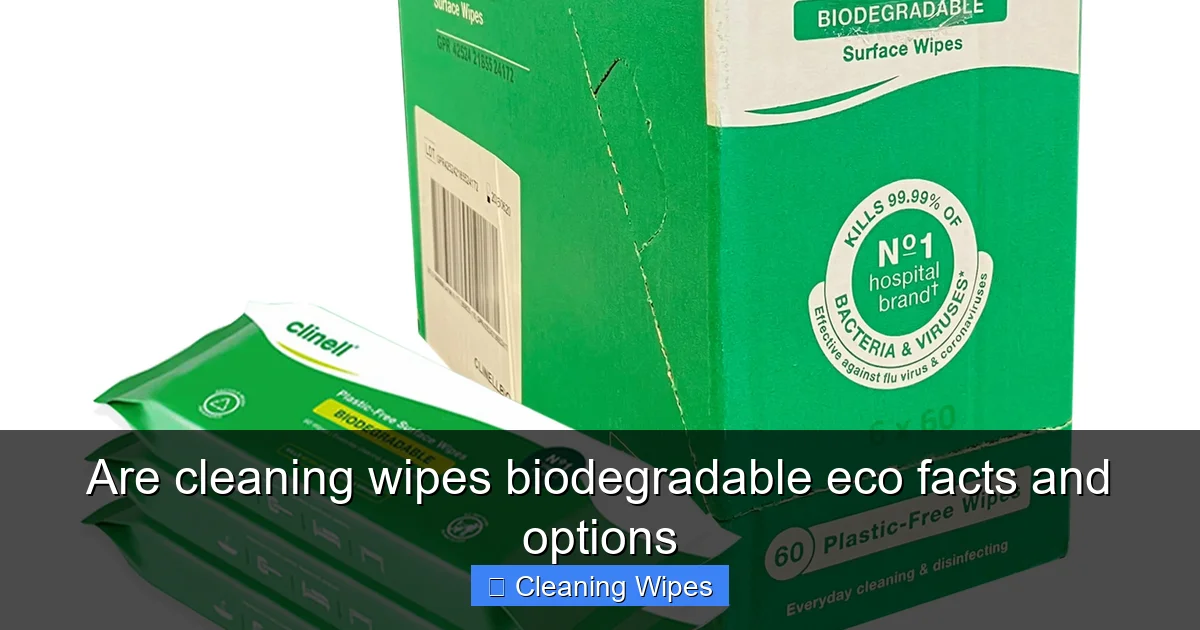
To answer, “Are cleaning wipes biodegradable?” you have to look at the fabric itself. Most standard cleaning wipes are made from:
Visual guide about Are cleaning wipes biodegradable eco facts and options
Image source: f2medicalsupplies.com
- Polyester (plastic-based fiber)
- Polypropylene (another plastic fiber)
- Rayon or viscose (wood-pulp based, sometimes blended with plastic)
- Blends of natural and synthetic fibers
Plastic fibers do not truly biodegrade in a natural way. They may break into tiny pieces, called microplastics, which can harm wildlife and pollute soil and water.
Biodegradable fiber options
If you want biodegradable cleaning wipes, look for wipes made from:
- 100% cotton
- Bamboo fibers
- TENCEL / lyocell (from wood pulp)
- Other plant-based fibers with no plastic blend
These materials can be biodegradable if they are not mixed with plastic and if they do not have heavy chemical coatings.
What about the cleaning solution?
Even if the fabric is biodegradable, the cleaning liquid on the wipes matters. Harsh chemicals and disinfectants can harm soil and water as the wipe breaks down.
Look for wipes with plant-based cleaners, low-tox or non-toxic formulas, and no added chlorine bleach or strong synthetic fragrances.
Step 3: Learn How to Read Wipe Labels Carefully
Check the material list
Start by checking the back of the package. To decide, “Are cleaning wipes biodegradable?” find the part that lists the wipe material. It may say something like:
- “Substrate: 100% polyester” – not biodegradable
- “Substrate: 55% cellulose, 45% polyester” – partly plastic, not fully biodegradable
- “Substrate: 100% plant-based fibers” – better, but still ask which fibers
- “Substrate: 100% bamboo viscose” – more likely biodegradable
If the brand does not clearly list the materials, that is a red flag.
Look for certifications
Claims alone are not enough. Look for trusted eco labels, such as:
- OK compost or OK compost HOME (TÜV Austria)
- EN 13432 (European compostability standard)
- ASTM D6400 or similar standards (for compostability)
- FSC for responsibly sourced wood pulp
These do not always appear on cleaning wipes, but when they do, they give you more confidence that the product is truly compostable or responsibly made.
Beware of vague language
Be careful with phrases like:
- “Eco-friendly”
- “Environmentally safe”
- “Naturally derived”
- “Biodegradable ingredients” (only the liquid may be biodegradable)
These words are not regulated in many places. They do not prove that cleaning wipes are biodegradable in real-world conditions.
Step 4: Understand Why You Should Never Flush Wipes
Flushed wipes cause big problems
Some brands market their wipes as “flushable.” This makes many people think, “If they are flushable, are cleaning wipes biodegradable too?” Not necessarily.
Even wipes that pass certain flush tests can still clog pipes, block pumps, and damage sewer systems. They break down much more slowly than toilet paper.
Why flushing biodegradable wipes is still wrong
Even if a wipe is made from biodegradable materials, it is not designed to break down quickly in water. Sewer systems are not compost bins. They are not built to process solid wipes.
Flushing wipes, biodegradable or not, can lead to:
- Clogged household pipes
- Expensive plumbing repairs
- “Fatbergs” in city sewers (huge blocks of wipes and grease)
- Wipes washing up on beaches and riverbanks
The safest rule is simple: never flush cleaning wipes. Put them in the trash instead.
Step 5: Learn How to Dispose of Wipes the Right Way
General rule: trash, not toilet
If you are asking, “Are cleaning wipes biodegradable enough to go in the toilet or compost?” the answer is almost always no. For most people and most products, the best option is to put used wipes in the trash.
Here is a simple guide:
- Standard plastic-based wipes: Always trash.
- Biodegradable wipes without certification: Trash, unless your local program says otherwise.
- Certified compostable wipes: Follow the label and local rules.
What about compostable wipes?
Some cleaning wipes are labeled as compostable. But you still need to read the fine print. They may say:
- “Compostable in industrial facilities only”
- “Not suitable for home composting”
If your town has a food and yard waste collection program that accepts certified compostable products, you may be able to put those wipes in that bin. Always check local guidelines first.
Do not put cleaning wipes into home compost if they contain disinfectants, bleach, or synthetic chemicals. Those substances can harm the microbes that make compost work.
Handling wipes used with harsh chemicals
If you used wipes with strong disinfectants or heavy-duty cleaners, they should go straight in the trash. Do not burn them, and do not compost them. This keeps chemicals out of your soil and air.
Step 6: Choose Better, More Eco-Friendly Wipes
What to look for in eco wipes
If you still want the convenience of wipes, you can make better choices. When you wonder, “Are cleaning wipes biodegradable?” look for these features:
- Plastic-free fabric (100% cotton, bamboo, or wood pulp)
- Clear labeling of materials and no plastic blends
- Low-tox cleaning solution with plant-based ingredients
- Minimal packaging or recyclable packaging
- Credible certifications where possible
These steps do not make wipes perfect, but they reduce the impact.
Single-use vs reusable
Even if cleaning wipes are biodegradable, they are still single-use. That means more resources, more transport, and more waste. Reusable options can be much more sustainable over time.
Try this simple swap:
- Use a spray cleaner and washable cloths for most daily cleaning.
- Save biodegradable wipes for travel, emergencies, or quick spot cleaning.
This way, you cut down your wipe use without giving up all convenience.
Step 7: Switch to Reusable and DIY Alternatives
Reusable cloths and towels
One of the easiest ways to avoid asking, “Are cleaning wipes biodegradable?” is to use fewer wipes in the first place. Reusable cloths can handle almost every cleaning job.
Good options include:
- Microfiber cloths (very effective, but wash in a bag or filter to reduce microfibers)
- Old cotton T-shirts cut into rags
- Bamboo or cotton cleaning cloths
- Washable mop pads instead of disposable floor wipes
Keep a small basket or drawer with clean cloths and a bin for dirty ones. Wash them with your regular laundry.
Make your own “wipe system”
You can create a reusable version of cleaning wipes at home. Here is a simple method:
- Step 1: Gather a set of small cotton cloths or cut-up T-shirts.
- Step 2: Mix a gentle cleaning solution (for example, water, a little vinegar for surfaces that can handle it, and a few drops of mild dish soap).
- Step 3: Place the cloths in a glass jar or container and pour the solution over them until damp but not dripping.
- Step 4: Use as needed, then toss used cloths into the wash.
This gives you the same grab-and-go feeling as wipes, but without the single-use waste.
Refillable spray cleaners
Refill systems are another great option. Many brands now sell concentrated cleaning tablets or liquids that you mix with water at home. You keep the same spray bottle and just refill it.
Pair these with reusable cloths, and you will rarely need to ask, “Are cleaning wipes biodegradable?” because you will hardly use them.
Troubleshooting: Common Problems and How to Fix Them
“My eco wipes seem to tear easily”
Some biodegradable cleaning wipes are a bit weaker than plastic-based ones. If they tear too easily, try:
- Using them folded, not fully opened, for more strength.
- Choosing a thicker brand or one with a slightly textured weave.
- Using reusable cloths for heavy scrubbing and wipes only for light cleaning.
“I am confused by all the green labels”
Eco labels can be overwhelming. Focus on a few key questions:
- Does the pack clearly list the wipe material?
- Is there any mention of plastic fibers like polyester or polypropylene?
- Are there any trusted certifications for compostability or sourcing?
- Does the brand explain disposal clearly and honestly?
If the brand avoids these details, it is safer to assume the wipes are not truly biodegradable.
“My family still prefers wipes for quick cleanups”
Habits change slowly. Instead of forcing a total switch, try a gradual approach:
- Keep a small pack of better, more biodegradable wipes for travel or special cases.
- Place spray cleaner and cloths in easy-to-reach spots in the kitchen and bathroom.
- Show how fast and easy cloths can be when they are already set up and ready.
Over time, you may find that your family reaches for wipes less often.
How Biodegradable Wipes Impact the Environment
Landfill realities
Even if cleaning wipes are biodegradable, landfills are not ideal places for them to break down. Landfills are often low in oxygen and moisture. That slows decay a lot.
In landfills, biodegradable materials can still take many years to break down. They can also release methane, a strong greenhouse gas, if they decompose without enough oxygen.
Microplastics and wildlife
Non-biodegradable wipes, or wipes that only partly break down, can turn into microplastics. These tiny pieces can:
- Be eaten by fish, birds, and other animals
- Travel through rivers into oceans
- End up in the food chain
Choosing truly plastic-free wipes and using fewer wipes overall can help reduce this problem.
Resource use and climate impact
Every pack of wipes needs raw materials, manufacturing, packaging, and transport. Even if cleaning wipes are biodegradable, they still use energy and resources.
Switching to reusables and concentrates means fewer trucks on the road, less plastic, and lower emissions over time.
Conclusion: Making Smarter Choices About Cleaning Wipes
So, are cleaning wipes biodegradable? Some are, at least in theory. Many are not. And even those that are biodegradable do not always break down quickly or safely in real life.
The best approach is to:
- Read labels carefully and look for plastic-free materials.
- Treat “biodegradable” claims with healthy doubt unless they are backed by detail and certification.
- Never flush wipes, even if they say flushable or biodegradable.
- Use biodegradable cleaning wipes only when you truly need the convenience.
- Rely more on reusable cloths, DIY cleaners, and refill systems for everyday cleaning.
By asking smart questions and making small changes, you can keep your home fresh and clean while also caring for the planet. The more you understand about how and when cleaning wipes are biodegradable, the easier it becomes to choose options that match your values and your lifestyle.