
This guide explores whether silicone toilet brushes offer a superior clean compared to traditional bristle brushes. We break down their unique cleaning action, hygiene benefits, durability, and environmental impact. You’ll get a clear, step-by-step comparison to decide if a silicone brush is the right upgrade for your bathroom.
Contents
- 1 Key Takeaways
- 2 Are Silicone Toilet Brushes Better for Cleaning? Your Complete Guide
- 3 Understanding the Core Difference: How They Clean
- 4 Step-by-Step: How to Use a Silicone Toilet Brush for Best Results
- 5 The Detailed Comparison: Silicone vs. Traditional
- 6 Troubleshooting Common Silicone Brush Concerns
- 7 How to Choose the Best Silicone Toilet Brush
- 8 Conclusion: Is a Silicone Toilet Brush Better for Cleaning?
- 9 Author
Key Takeaways
- Superior Hygiene: Silicone is non-porous and resists mold, bacteria, and odor far better than traditional nylon bristles, which trap waste and moisture.
- Unique Cleaning Action: Silicone blades or fingers use a scraping and wiping motion to dislodge grime, rather than the swishing action of bristles, which can be more effective on certain stains.
- Easier to Clean & Maintain: The brush head itself is much easier to rinse completely clean and dries faster, reducing the “dirty brush in a dirty holder” problem.
- Enhanced Durability: High-quality silicone is resistant to bleach and harsh cleaners, and won’t fray or shed like bristles, leading to a longer-lasting product.
- Eco-Friendly Potential: Due to their durability and often recyclable materials, silicone brushes can reduce plastic waste compared to frequently replaced traditional brushes.
- Consider the Feel: The scraping sensation and sound can be different from a soft-bristle brush, which some users may need a short period to adjust to.
- Not All Are Equal: Look for 100% food-grade or platinum-cure silicone and a sturdy, weighted base to ensure you get the quality and performance you pay for.
Are Silicone Toilet Brushes Better for Cleaning? Your Complete Guide
Let’s talk about a tool we all use but rarely want to think about: the toilet brush. For decades, the standard has been a plastic handle with a head of nylon bristles. It gets the job done. But it also gets gross. It holds onto water, waste, and smells. It becomes a petri dish in a holder. Enter the silicone toilet brush. This modern alternative promises a cleaner clean and a more hygienic bathroom. But is it just a trendy gimmick, or is it genuinely better? This guide will walk you through everything you need to know. We’ll compare silicone and traditional brushes side-by-side. You’ll learn how they work, their pros and cons, and how to use one effectively. By the end, you’ll know if making the switch is the right move for your home.
Understanding the Core Difference: How They Clean
To see which is better, you first need to know how they work. The cleaning mechanism is fundamentally different.
Visual guide about Are silicone toilet brushes better for cleaning
Image source: cdn.apartmenttherapy.info
Traditional Bristle Brush: The Swish and Swirl
The classic brush uses a bundle of nylon bristles. You scrub by swishing the bristles against the bowl’s surface. The bristles agitate the water and cleaning solution. They can get into the rim holes and under the rim curve. But their soft, fibrous nature means they trap tiny particles of waste and bacteria deep within. They stay damp for a long time, creating a perfect environment for mold and mildew to grow on the brush itself.
Silicone Brush: The Scrape and Wipe
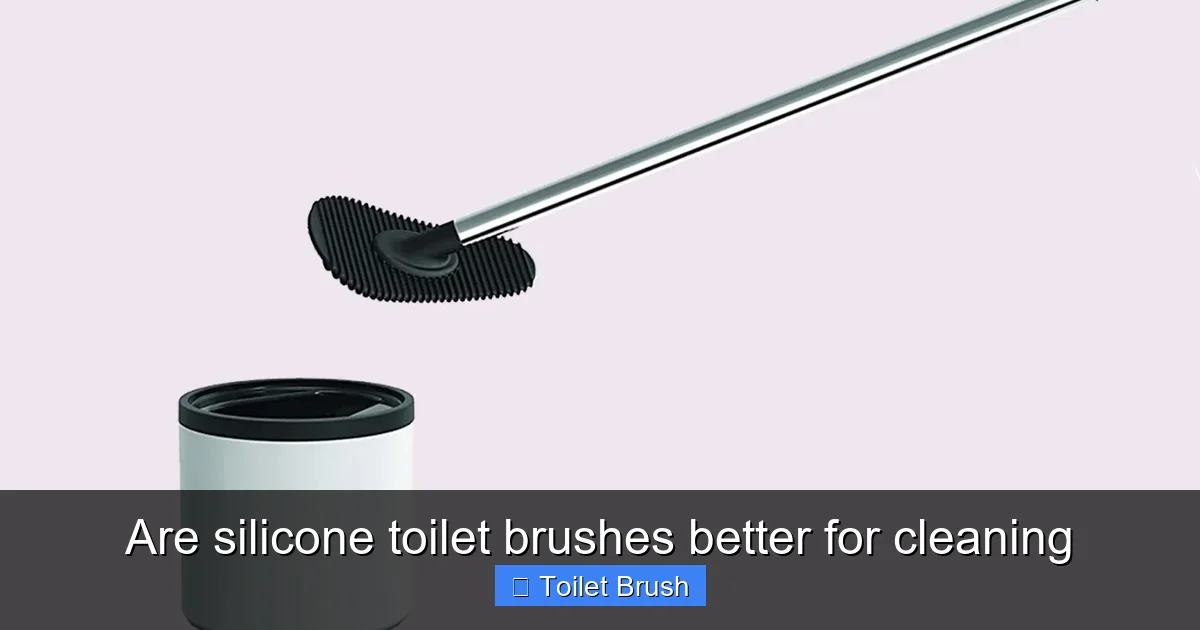
A silicone brush head is made of flexible, non-porous silicone “fingers” or “blades.” Instead of swishing, you use a pressing and scraping motion against the bowl. The silicone blades flex to conform to the curve of the bowl. They physically scrape off grime and mineral deposits. Then, they wipe it away as you move the brush. Because silicone is solid and smooth, nothing gets absorbed or trapped. Everything rinses right off.
Step-by-Step: How to Use a Silicone Toilet Brush for Best Results
Using a silicone brush correctly is key to its performance. Follow these steps for a spotless toilet.

Visual guide about Are silicone toilet brushes better for cleaning
Image source: images.nexusapp.co
Step 1: Apply Your Cleaner
Start as you normally would. Apply your preferred toilet bowl cleaner under the rim and around the bowl. Let it sit for a few minutes to break down stains and disinfect. This pre-treatment is especially helpful for silicone brushes, as it loosens the grime they will then scrape away.
Step 2: The Correct Scrubbing Motion
This is the crucial difference. Don’t just swish.
- Press and Drag: Firmly press the silicone blades against the surface of the bowl, particularly on stained areas or under the rim.
- Use a Wiping Action: Drag the brush head along the surface, using the edges of the silicone to scrape off residue. Think of it like using a squeegee on a shower door.
- Cover All Areas: Make sure to get under the rim, around the siphon jet, and into the trapway (the S-bend). The flexibility of silicone allows it to reach these spots well.
Step 3: Rinsing and Storing
After scrubbing, this is where the silicone brush shines.
- Flush and Rinse: Flush the toilet. While the water is swirling, hold the brush head in the stream. The water will clean every surface of the silicone completely.
- Shake and Dry: Give it a firm shake over the bowl to remove excess water. Silicone sheds water droplets easily.
- Store Upright: Place it back in its holder or stand. It will be mostly dry to the touch in minutes, and fully dry soon after, preventing odor and bacterial growth.
The Detailed Comparison: Silicone vs. Traditional
Let’s break down the competition across all important categories.
Visual guide about Are silicone toilet brushes better for cleaning
Image source: i5.walmartimages.com
Hygiene and Cleanliness
Silicone Wins. This is its biggest advantage. Silicone is non-porous. Bacteria, mold spores, and odors cannot penetrate its surface. Everything rinses off. A traditional brush’s bristles are like a dense forest where gunk gets permanently stuck. Even if the bowl is clean, the brush is often dirty. A silicone brush ensures the cleaning tool itself stays clean.
Cleaning Effectiveness
It Depends on the Stain. For general maintenance and wiping away fresh marks, both work well. For hardened limescale, mineral deposits, or ring stains, the scraping action of a silicone brush can be more effective. It acts like a soft scraper. However, for getting deep into small rim holes, some prefer the precise poke of a bristle cluster. High-quality silicone brushes are designed to flex into these areas effectively.
Durability and Longevity
Silicone Wins. Nylon bristles fray, bend, and fall out over time. You might replace a traditional brush every 6-12 months. Silicone is incredibly durable. It is resistant to bleach and most harsh chemicals that would degrade nylon. A good silicone brush can last for years, making it a more sustainable choice.
Ease of Cleaning (The Brush Itself)
Silicone Wins, Hands Down. Cleaning a traditional brush is a chore no one likes. You might soak it in bleach, which is harsh and fades the bristles. The silicone brush cleans itself with a simple rinse under the flush. No soaking, no lingering smells, no hidden gunk.
Environmental Impact
Silicone Has the Edge. While not perfect, a long-lasting silicone brush means less frequent purchases and less plastic waste in landfills. Many are made with recyclable materials. Always check for brushes made with platinum-cure silicone, which is more stable and eco-friendly than peroxide-cure alternatives.
Cost
Traditional Brushes Win Upfront. You can buy a basic bristle brush for a few dollars. A quality silicone brush with a sturdy holder typically costs more initially. However, when you factor in its multi-year lifespan, the cost per use of a silicone brush often becomes lower.
Troubleshooting Common Silicone Brush Concerns
New technology comes with new questions. Here are solutions to common issues.
“The Silicone Feels Too Stiff or Scrapes the Porcelain.”
You might be using too much pressure. Silicone is flexible but firm. Let the material and the cleaning solution do the work. Use a firm press, not a hard grind. High-quality brushes use soft, food-grade silicone that is very safe for porcelain. If you hear a loud scraping, you’re likely pressing too hard on a dry or insufficiently cleaned area.
“It Doesn’t Seem to Get Into the Tiny Holes Under the Rim.”
Look for a brush design with varied silicone finger lengths or a pointed tip. Some models have a combination of long and short blades specifically for this purpose. Use a poking and twisting motion to work the silicone tips into the holes.
“It Still Smells After Use.”
This is rare but can happen if the brush holder is the culprit. Ensure the holder has drainage and ventilation. Once a month, wash both the brush head and the holder with hot, soapy water or a vinegar solution. The smell is almost certainly coming from the holder, not the non-porous silicone.
How to Choose the Best Silicone Toilet Brush
Not all silicone brushes are created equal. Keep these tips in mind when shopping.
- Look for Quality Silicone: Seek out “100% food-grade silicone” or “platinum-cure silicone.” This indicates higher purity, durability, and odor resistance.
- Check the Handle and Base: The handle should be comfortable and the base should be weighted and stable to prevent tipping. A drip tray is a major plus.
- Examine the Head Design: Look for multiple blades or fingers of different lengths and textures. This improves cleaning reach and effectiveness.
- Read Reviews: Pay attention to comments about stiffness, balance, and how well the stand works.
Conclusion: Is a Silicone Toilet Brush Better for Cleaning?
So, are silicone toilet brushes better? For the vast majority of people, yes, they offer a superior cleaning experience overall. The win isn’t necessarily in making the toilet bowl sparkle more on day one (though they are excellent at it). The real victory is in hygiene, maintenance, and longevity. You get a tool that doesn’t become a source of germs and bad smells. You get a tool that is effortless to clean and lasts for years. The initial investment is worth it for a cleaner, more pleasant, and more sustainable bathroom routine. If you’re tired of the gross, fraying bristle brush hiding in the corner, making the switch to silicone is a smart and effective upgrade for your home.
🎥 Related Video: Flexible Silicone toilet brush 🚽
📺 World snap