
This guide explores the hygiene debate between silicone and traditional nylon toilet brushes. We compare how they trap germs, clean effectively, and impact your bathroom’s overall cleanliness. You’ll get practical tips to choose and maintain the most hygienic option for your home.
Contents
- 1 Key Takeaways
- 2 Silicone Toilet Brushes: Are They More Hygienic?
- 3 Understanding the Hygiene Problem with Traditional Brushes
- 4 The Silicone Brush: A Modern Design Approach
- 5 Side-by-Side Hygiene Comparison
- 6 How to Choose a Hygienic Silicone Toilet Brush
- 7 How to Use and Maintain for Maximum Hygiene
- 8 Troubleshooting Common Issues
- 9 Conclusion: Making Your Final Decision
- 10 Author
Key Takeaways
- Non-Porous Surface Wins: Silicone’s solid, non-porous material doesn’t absorb water or waste, preventing a breeding ground for bacteria inside the bristles.
- Easier to Clean and Dry: Silicone brushes can be rinsed cleaner and dry much faster than traditional brushes, reducing the moisture microbes need to thrive.
- No Hidden Germ Havens: Traditional nylon bristle brushes have hundreds of tiny fibers that can trap and hide particles and bacteria, even after rinsing.
- Durability Affects Hygiene: Cracked, worn-out bristles on any brush become hygiene hazards; silicone’s resilience can mean longer-lasting cleanliness.
- The Holder Matters: A hygienic brush is useless if stored in a dirty, wet holder. Look for designs with ventilation and easy-to-clean stands.
- Your Routine is Key: No brush is self-cleaning. Regular disinfection (e.g., with bleach or vinegar) is essential for maximum hygiene, regardless of material.
Silicone Toilet Brushes: Are They More Hygienic?
Let’s talk about a bathroom tool we all use but seldom want to think about: the toilet brush. It’s a germ-fighting hero, but it can also become a villain if it’s not clean. For years, the standard has been a plastic handle with nylon bristles. Now, a new contender is here: the silicone toilet brush. It looks different, feels different, and promises to be more hygienic. But is that true?
This guide will help you cut through the hype. We’ll dive deep into the science of bathroom hygiene. You’ll learn how different materials handle germs. We will compare silicone and traditional brushes side-by-side. You’ll get clear steps to choose the best brush for your home. We’ll also cover how to clean and store any brush properly. By the end, you’ll be an expert on toilet brush hygiene. You can make a smart choice for a cleaner, fresher bathroom.
Understanding the Hygiene Problem with Traditional Brushes
To see why silicone might be better, we must first see the flaws in the old design. The classic nylon-bristle toilet brush has been around for decades. Its design has a major hygiene flaw.
Visual guide about Silicone Toilet Brushes Are They More Hygienic
Image source: cdn.spruceup.co.uk
Think of a traditional brush. It has hundreds of thin, flexible nylon strands bundled together. When you scrub the toilet, these bristles do a great job of scraping off grime. But that’s where the problem starts.
The Trap of Tiny Bristles
Each tiny nylon fiber can trap minute particles of waste, toilet paper, and cleaning chemicals. Rinsing the brush under the tap might make it look clean. But microscopic matter and bacteria can cling deep within the dense forest of bristles. These areas are almost impossible to rinse fully.
The Perpetual Dampness
Nylon is porous. It absorbs and holds water. After you rinse and put the brush back in its holder, it stays wet for a long time. A dark, damp environment is a five-star hotel for bacteria, mold, and mildew. The brush and its holder can become sources of bad odors and unseen germs.
In short, the traditional brush often becomes part of the hygiene problem it’s meant to solve.
The Silicone Brush: A Modern Design Approach
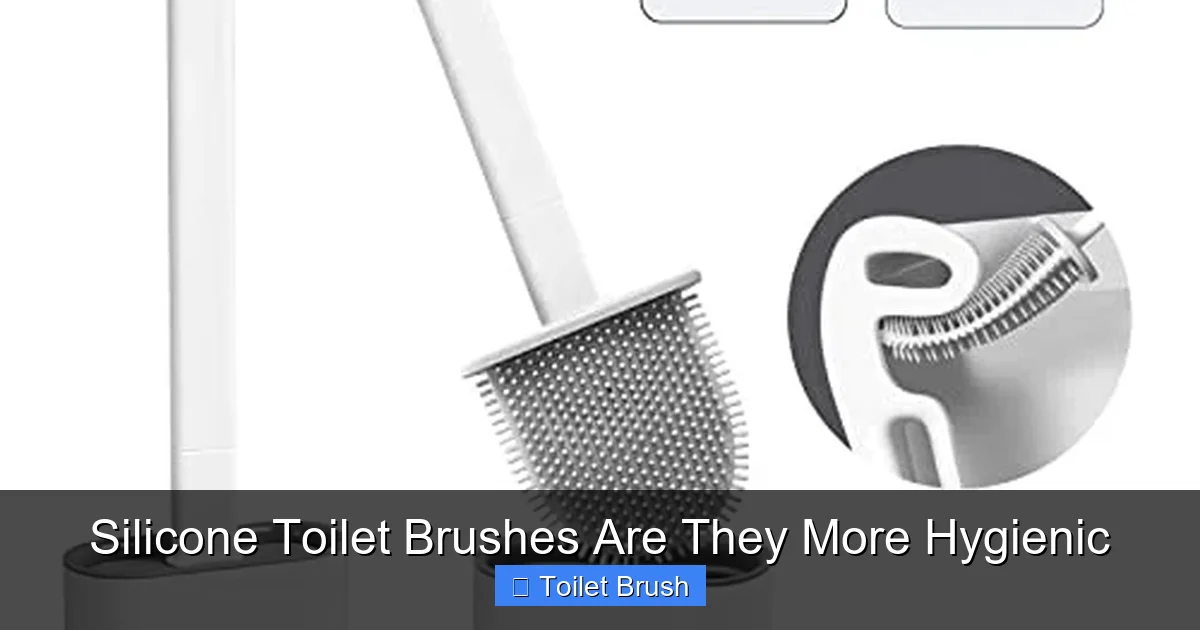
Silicone toilet brushes take a completely different approach. Instead of hundreds of separate bristles, a silicone brush has “fins,” “fingers,” or “squeepee-like” strips made from solid, medical-grade silicone.

Visual guide about Silicone Toilet Brushes Are They More Hygienic
Image source: i.pinimg.com
This single material change addresses the core problems of the traditional brush.
Non-Porous and Smooth
Silicone is non-porous. It does not absorb water, chemicals, or waste. Anything on the surface stays on the surface. There are no hidden internal spaces for germs to hide.
Easy and Thorough Rinsing
Because the surface is smooth and solid, you can rinse a silicone brush completely clean in seconds. Water and debris slide right off. There are no tiny fibers to cling to.
Rapid Drying
Since it doesn’t absorb water, a silicone brush sheds water droplets and dries very quickly. Faster drying means less time in the “danger zone” where microbes multiply. This drastically reduces the chance of mold and odor.
Side-by-Side Hygiene Comparison
Let’s put them head-to-head on key hygiene factors.
Visual guide about Silicone Toilet Brushes Are They More Hygienic
Image source: images.nexusapp.co
- Material Porosity: Silicone: Non-porous. Nylon: Porous. Winner: Silicone.
- Germ Trapping Potential: Silicone: Low (smooth surface). Nylon: High (fibrous bristles). Winner: Silicone.
- Ease of Rinsing: Silicone: Very easy, debris slides off. Nylon: Difficult, particles get stuck. Winner: Silicone.
- Drying Speed: Silicone: Very fast (minutes). Nylon: Slow (hours, often stays damp). Winner: Silicone.
- Durability & Wear: Silicone: Resistant to cracking and chemical wear. Nylon: Can fray, crack, and degrade over time, creating more hiding spots. Winner: Silicone.
- Scrubbing Power: Silicone: Good for modern surfaces, may struggle with stubborn, baked-on stains. Nylon: Excellent for aggressive scrubbing on all stains. Winner: Nylon.
As you can see, silicone wins on almost every hygiene-related point. Its main trade-off is raw scrubbing power on extreme stains.
How to Choose a Hygienic Silicone Toilet Brush
Not all silicone toilet brushes are created equal. Follow these steps to pick the best one.
Step 1: Examine the Silicone “Bristle” Design
Look at the cleaning head. Are the silicone fins wide and flat, or thinner and finger-like? Wider fins may offer more surface area for wiping. Thinner fingers might get into the rim holes better. Choose a design that looks robust and well-attached to the handle.
Step 2: Evaluate the Handle and Build Quality
The handle should be comfortable to grip, even when wet. Ensure the connection between the silicone head and the handle is seamless and strong. A poorly attached head can trap water and grime at the joint, creating a hygiene weak point.
Step 3: The Most Important Step: Assess the Holder
This is critical. A hygienic brush needs a hygienic home. The best holders have these features:
- Ventilation: Holes or slots to allow air to circulate and dry the brush quickly.
- Drip-Through Design: A grated or elevated base so water drips through and doesn’t pool at the bottom.
- Easy to Clean: Can you easily wash the holder in the sink or dishwasher? Avoid complex, enclosed designs.
- Stable Base: It shouldn’t tip over easily.
A brush that comes with a sealed, airtight holder negates many of silicone’s drying benefits.
How to Use and Maintain for Maximum Hygiene
Owning a more hygienic brush is only half the battle. You must use and care for it properly.
Step 1: The Correct Cleaning Technique
After scrubbing the toilet, don’t just plop the brush back. Hold it over the toilet bowl and flush. Let the clean flush water rinse over the brush head thoroughly. For a silicone brush, this is often enough to make it spotless.
Step 2: Regular Deep Disinfection
Once a week (or more often if needed), give your brush a deep clean. Here’s how:
- For Silicone Brushes: Remove the head if possible. Soak it for 10-15 minutes in a bucket or sink with a disinfectant. Use a bleach solution (1 part bleach to 10 parts water), undiluted white vinegar, or a bathroom cleaner. Rinse well.
- For Nylon Brushes: The same soaking process is even more crucial. Agitate the bristles in the solution to help disinfect deep inside.
Step 3: Perfect Drying Storage
After rinsing or disinfecting, shake off excess water. Always place the brush back in its holder in the upright position. Ensure the holder is also clean and dry. Never store a brush lying down or in a closed container.
Troubleshooting Common Issues
Even with a great brush, you might hit a snag. Here’s how to fix it.
Problem: The silicone brush isn’t scrubbing off tough, mineral-stained rings.
Solution: Silicone is better at wiping than aggressive abrasion. For tough stains, apply a pumice stone or a dedicated lime-scale remover to the stain first. Let it sit, then use the silicone brush to wipe the dissolved residue away.
Problem: A foul odor is coming from the brush or holder.
Solution: This is a sign of bacterial or mold growth. Immediately perform a deep disinfection soak on the brush. Scrub the holder thoroughly with hot, soapy water and disinfectant. Ensure both are completely dry before reassembling. Improve ventilation in the bathroom if possible.
Problem: The brush head is detaching or feels loose.
Solution: Check the connection. If it’s a screw-type, tighten it. If it’s damaged, contact the manufacturer. A loose head can harbor grime and is a sign it’s time for a replacement.
Conclusion: Making Your Final Decision
So, are silicone toilet brushes more hygienic? The evidence strongly points to yes. Their non-porous, easy-to-clean, and fast-drying nature gives them a significant hygiene advantage over traditional nylon brushes. They tackle the core problems of germ trapping and perpetual dampness head-on.
However, the “best” brush depends on your priorities. If your main goal is a more hygienic tool that minimizes germs and odors with easier maintenance, a well-designed silicone toilet brush is an excellent upgrade. If you frequently deal with very hard water and severe, baked-on stains, you might value the abrasive power of nylon more, but you must commit to a rigorous cleaning and disinfecting routine.
No matter which you choose, remember that your habits are the ultimate factor. Regular disinfection and proper storage are non-negotiable for a truly clean bathroom. By choosing a silicone brush and pairing it with good care, you’re taking a smart step toward a fresher, healthier home.
🎥 Related Video: Flexible Silicone toilet brush 🚽
📺 World snap