
The best way to use microfiber cloth for dusting is simple: choose the right cloth, use it dry most of the time, and wipe with light pressure. You will also learn how to fold, flip, and wash microfiber so it keeps trapping dust instead of spreading it.
If you want a home that looks clean every day, dusting matters. But dusting can feel endless when you use the wrong tools. The good news is that microfiber makes it easier. In this guide, you will learn the best way to use microfiber cloth for dusting on shelves, TVs, blinds, baseboards, and more. You will also learn how to prep your cloth, the right wiping pattern, and how to wash microfiber so it keeps working.
This is a practical, step-by-step how-to. It uses simple steps you can repeat every week. Once you learn the best way to use microfiber cloth for dusting, you will spend less time re-cleaning and more time enjoying a clean space.
Contents
- 1 Key Takeaways
- 2 Why Microfiber Works So Well for Dusting
- 3 Step 1: Pick the Right Microfiber Cloth
- 4 Step 2: Prep the Area Before You Dust
- 5 Step 3: Fold the Cloth the Right Way (This Is the Game-Changer)
- 6 Step 4: Dust in the Right Order (Top to Bottom, Dry to Damp)
- 7 Step 5: Use the Best Wiping Technique (Light Pressure, One Direction)
- 8 Step 6: Dust Common Surfaces the Right Way
- 9 Step 7: Know When to Switch Cloths
- 10 Step 8: After-Dusting Cleanup (So Dust Does Not Come Back)
- 11 Troubleshooting: Fix Common Microfiber Dusting Problems
- 12 How to Wash Microfiber Cloths (So They Keep Working)
- 13 A Simple Weekly Dusting Routine You Can Stick To
- 14 Conclusion: Dust Faster, Breathe Easier, and Keep Surfaces Looking New
- 15 Author
Key Takeaways
- Use dry microfiber first: The best way to use microfiber cloth for dusting is dry wiping because it grabs dust with static and tiny fibers.
- Fold into quarters: Folding gives you 8 clean sides, so you can keep dusting without re-smearing.
- Wipe top to bottom: Dust falls, so start high and finish low for faster, cleaner results.
- Light pressure works best: Pressing hard can push dust around; gentle passes help microfiber trap it.
- Match cloth type to surface: Plush for delicate items, tighter weave for glass and screens, and color-coding to avoid cross-contamination.
- Wash correctly: Skip fabric softener and high heat; proper care keeps the cloth “grabby” and effective.
- Troubleshoot streaks and lint: Most issues come from dirty cloths, wrong weave, or residue on the surface.
Why Microfiber Works So Well for Dusting
Microfiber is made from very fine synthetic fibers. These fibers split into tiny strands. That creates more surface area. It also creates little “hooks” that grab dust, hair, and pollen.
When you use the best way to use microfiber cloth for dusting, the cloth does not just push dust around. It traps it. Many people notice fewer dust clouds, fewer sneezes, and less grit on surfaces.
- Dry microfiber: Builds static and attracts light dust.
- Slightly damp microfiber: Lifts stuck dust and grime without harsh cleaners.
- Proper weave: Prevents scratches on delicate items and reduces streaks on shiny surfaces.
Step 1: Pick the Right Microfiber Cloth
The best way to use microfiber cloth for dusting starts with the right cloth. Not all microfiber is the same. The weave and thickness change how it performs.
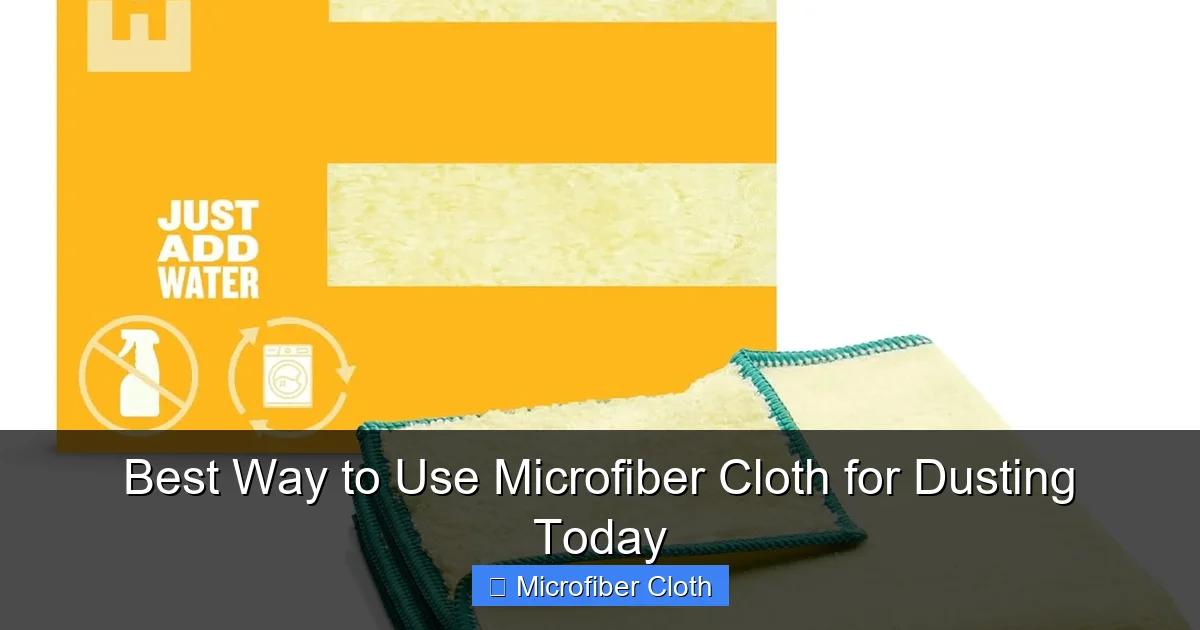
Visual guide about Best Way to Use Microfiber Cloth for Dusting Today
Image source: m.media-amazon.com
Choose the weave for the job
- Plush microfiber (thicker, fluffy): Great for general dusting. It holds more dust. It is gentle on decor, frames, and lamps.
- Short-pile microfiber (tighter, flatter): Better for cabinets, doors, and baseboards. It gives more “bite” for stuck dust.
- Waffle weave: Works well on glass, mirrors, and shiny surfaces when you want fewer streaks.
Use color-coding to stay clean
A simple system makes dusting faster. It also prevents spreading grime.
- Blue: Bedrooms and living areas
- Green: Kitchen surfaces (not raw food areas)
- Yellow: Glass and screens
- Red: “Dirty zones” like vents, garage shelves, or pet areas
If you want the best way to use microfiber cloth for dusting every time, keep a small stack of clean cloths ready. One cloth can handle one room if you flip it often. If your home is dusty or you have pets, plan on more.
Step 2: Prep the Area Before You Dust
Dusting goes faster when you do a quick setup. This is part of the best way to use microfiber cloth for dusting because it prevents rework.

Visual guide about Best Way to Use Microfiber Cloth for Dusting Today
Image source: thespruce.com
Do a 2-minute reset
- Pick up clutter: Move small items into a basket so you can wipe in long passes.
- Turn off fans: Air movement keeps dust floating.
- Close windows: If it is windy, dust returns fast.
Decide: dry or damp?
Most of the time, use microfiber dry. That is often the best way to use microfiber cloth for dusting because it grabs loose dust quickly. Go slightly damp when:
- Dust is sticky (kitchen film, smoke residue)
- Surfaces feel gritty even after a pass
- You see smears from oils (handprints, pet nose marks)
Tip: If you dampen, use plain water. Mist the cloth, not the surface. The cloth should feel barely damp, not wet.
Step 3: Fold the Cloth the Right Way (This Is the Game-Changer)
Folding is a core part of the best way to use microfiber cloth for dusting. It gives you multiple clean sides. That means you keep trapping dust instead of spreading it.
Visual guide about Best Way to Use Microfiber Cloth for Dusting Today
Image source: m.media-amazon.com
How to fold into 8 clean sides
Use this quick method:
- Lay the cloth flat.
- Fold it in half.
- Fold it in half again.
Now you have a neat square. It has 8 usable faces (4 on one side, 4 on the other). Each time a face looks gray, flip or refold to a clean face.
Why it works: The best way to use microfiber cloth for dusting is to keep clean fibers in contact with the surface. A dirty face can drop dust back down.
Step 4: Dust in the Right Order (Top to Bottom, Dry to Damp)
Order matters. Dust falls. So the best way to use microfiber cloth for dusting is to start high and finish low.
Recommended dusting order
- Ceiling corners and cobwebs: Use an extension duster or wrap a microfiber cloth over a broom head.
- High shelves and tops of frames: One slow pass, then a second if needed.
- Mid-level surfaces: Tables, desks, window sills.
- Low areas: Baseboards, chair legs, lower shelves.
Dry first, damp second
For most rooms, do a dry pass first. Then spot-clean sticky areas with a slightly damp cloth. This is often the best way to use microfiber cloth for dusting because you avoid turning dust into muddy streaks.
Step 5: Use the Best Wiping Technique (Light Pressure, One Direction)
Microfiber does the work. Your job is to guide it. The best way to use microfiber cloth for dusting is gentle, steady wiping.
Use light pressure
Pressing hard can grind dust into the surface. It can also push dust off the cloth. Use light pressure and let the fibers grab the dust.
Wipe in one direction
On flat surfaces, wipe in long, smooth strokes. Avoid fast circles. Circles can lift dust and redeposit it. For the best way to use microfiber cloth for dusting, think “pull dust off” instead of “scrub it around.”
Finish edges and corners
Dust hides in corners. Use a fingertip inside the folded cloth to trace edges, trim, and grooves.
Step 6: Dust Common Surfaces the Right Way
Different surfaces need small changes. Below are simple methods that match the best way to use microfiber cloth for dusting.
Wood furniture
- Use a clean, dry plush cloth first.
- Wipe with the grain for a smoother look.
- If the surface is sticky, switch to a barely damp cloth, then dry-buff.
Electronics (TVs, monitors, laptops)
- Turn the screen off so you can see dust.
- Use a clean, dry, short-pile microfiber cloth.
- Use very light pressure. No spraying on the screen.
Tip: The best way to use microfiber cloth for dusting on screens is to keep a “screen-only” cloth. Laundry lint and oils cause streaks.
Glass, mirrors, and shiny fixtures
- Use a waffle weave or tight-weave cloth.
- Start dry. If needed, use a tiny bit of water on the cloth.
- Buff with a second dry cloth for a clear finish.
Blinds and vents
- Wrap a microfiber cloth around your hand.
- Pinch each slat and pull from end to end.
- Flip to a clean side often.
This is one of the clearest examples of the best way to use microfiber cloth for dusting: pinch, pull, flip, repeat.
Baseboards
- Dry dust first to grab loose debris.
- For scuffs, use a slightly damp cloth and gentle pressure.
- Work in 3–4 foot sections to stay consistent.
Ceiling fans
- Place an old sheet under the fan.
- Use a pillowcase method: slide a pillowcase over each blade and pull back.
- Follow with a microfiber cloth for the final pass.
Step 7: Know When to Switch Cloths
Microfiber can hold a lot, but not forever. The best way to use microfiber cloth for dusting includes switching before the cloth is overloaded.
- Switch when: the cloth looks gray, feels gritty, or leaves dust trails.
- Switch sooner: pet hair areas, vents, and near entry doors.
- Use a second cloth: one for dry dusting, one for damp spot-cleaning.
Step 8: After-Dusting Cleanup (So Dust Does Not Come Back)
Dusting often knocks debris to the floor. To complete the best way to use microfiber cloth for dusting, finish with a quick floor step.
Do a fast floor finish
- Hard floors: Microfiber mop or vacuum.
- Carpet: Vacuum with a clean filter for better pickup.
Air help (optional)
If allergies are an issue, consider an air purifier or a HVAC filter upgrade. It supports the best way to use microfiber cloth for dusting by reducing how fast dust returns.
Troubleshooting: Fix Common Microfiber Dusting Problems
If dusting feels harder than it should, one of these issues is usually the cause. Fixing them helps you get back to the best way to use microfiber cloth for dusting.
Problem: The cloth just pushes dust around
- Cause: Cloth is overloaded or too smooth for the job.
- Fix: Refold to a clean side or switch cloths. Use a plusher cloth for light dust.
Problem: Streaks on glass or screens
- Cause: Oils on the surface or cloth residue from laundry products.
- Fix: Use a clean, tight-weave cloth. Lightly dampen with water, then buff dry.
Problem: Lint on surfaces
- Cause: Low-quality microfiber or washed with linty items.
- Fix: Wash microfiber separately. Choose better cloths with a tighter edge finish.
Problem: Musty smell in cloths
- Cause: Cloths sat damp in a pile.
- Fix: Rinse after use and hang to dry. Rewash with a small amount of detergent and extra rinse.
How to Wash Microfiber Cloths (So They Keep Working)
Care is part of the best way to use microfiber cloth for dusting. A poorly washed cloth loses its “grab.” It can also smear oils.
Washing rules that matter
- Wash separately: Keep away from cotton towels that shed lint.
- Use mild detergent: Too much soap clogs fibers.
- No fabric softener: It coats the fibers and stops dust pickup.
- Avoid bleach: It can damage microfiber over time.
- Warm or cool water: Hot water is not needed for dusting cloths.
Drying rules that matter
- Low heat or air dry: High heat can melt fibers.
- No dryer sheets: They leave residue like softener.
- Shake out before drying: Helps release trapped debris.
If you follow these steps, the best way to use microfiber cloth for dusting stays the same month after month. Your cloths keep grabbing dust instead of sliding over it.
A Simple Weekly Dusting Routine You Can Stick To
Consistency beats marathon cleaning. Here is a simple routine built around the best way to use microfiber cloth for dusting.
- 2–5 minutes daily (optional): Quick wipe of main table, TV stand, and entry shelf.
- 15–25 minutes weekly: Full room dusting top to bottom, then floors.
- Monthly: Blinds, vents, fan blades, and behind furniture.
Tip: Keep a clean microfiber cloth in a drawer in each main area. Easy access makes the best way to use microfiber cloth for dusting feel effortless.
Conclusion: Dust Faster, Breathe Easier, and Keep Surfaces Looking New
Dusting does not have to be a chore that never ends. When you follow the best way to use microfiber cloth for dusting, you trap dust instead of spreading it. You also protect surfaces because microfiber is gentle when used with light pressure.
Remember the simple formula: pick the right cloth, dust dry first, fold into quarters, wipe top to bottom, and wash microfiber the right way. Do that, and your home will look cleaner for longer with less effort.
🎥 Related Video: How to Use Microfiber Cloths Like a Pro!
📺 Clean My Space
SAVE UP TO 40% ON MICROFIBER CLOTHS: https://www.makersclean.com/gp Join Cleaning Expert @melissamakerwho …