
A toilet brush is not the right tool for unclogging a toilet and can cause damage. This guide explains why and provides safe, step-by-step methods using a plunger, a homemade drain cleaner, and a toilet auger. You’ll also learn how to prevent future clogs and when to call a professional.
Contents
- 1 Key Takeaways
- 2 Can a Toilet Brush Unclog Your Toilet Effectively?
- 3 The Short Answer: Why a Toilet Brush is a Bad Idea
- 4 What You Should Use Instead: The Right Tools for the Job
- 5 Step-by-Step Guide to Unclogging Your Toilet
- 6 Troubleshooting: When Nothing Seems to Work
- 7 Prevention: How to Avoid Future Toilet Clogs
- 8 Conclusion: Ditch the Brush, Use the Right Tool
- 9 Author
Key Takeaways
- A Toilet Brush is a Cleaning Tool, Not a Clog-Buster: Using it to force a clog can damage the porcelain, break the brush, or push the blockage deeper.
- The Plunger is Your First and Best Defense: A proper flange plunger creates the pressure needed to dislodge most common toilet clogs safely and effectively.
- Homemade Solutions Can Work for Minor Clogs: A mix of hot (not boiling) water and dish soap can help lubricate and break down soft blockages.
- Persistent Clogs Require a Toilet Auger: Also called a closet auger, this tool is designed to navigate the toilet’s trap and hook or break up tough obstructions.
- Prevention is Simpler Than the Cure: Using less toilet paper, avoiding flushable wipes, and regular maintenance are the best ways to avoid clogs.
- Know When to Call a Professional Plumber: If multiple methods fail, you have frequent clogs, or notice sewage backups, the problem may be deeper in your drain line.
Can a Toilet Brush Unclog Your Toilet Effectively?
You’re facing a clogged toilet. The water is rising. Panic starts to set in. Your eyes dart around the bathroom for a solution, and they land on the toilet brush. It’s right there. It’s long. It seems sturdy. The desperate thought crosses your mind: “Can I just use this toilet brush to unclog the toilet?“
In this complete guide, we’ll answer that question directly. More importantly, we’ll walk you through exactly what you should do to tackle a clogged toilet safely and effectively. We’ll cover the right tools, step-by-step methods, and crucial tips to prevent this messy situation from happening again. Let’s dive in and get your toilet flowing freely.
The Short Answer: Why a Toilet Brush is a Bad Idea
Let’s be clear right from the start. No, a toilet brush should not be used to unclog a toilet. It might seem like a quick fix, but it’s more likely to create bigger problems. Here’s why:
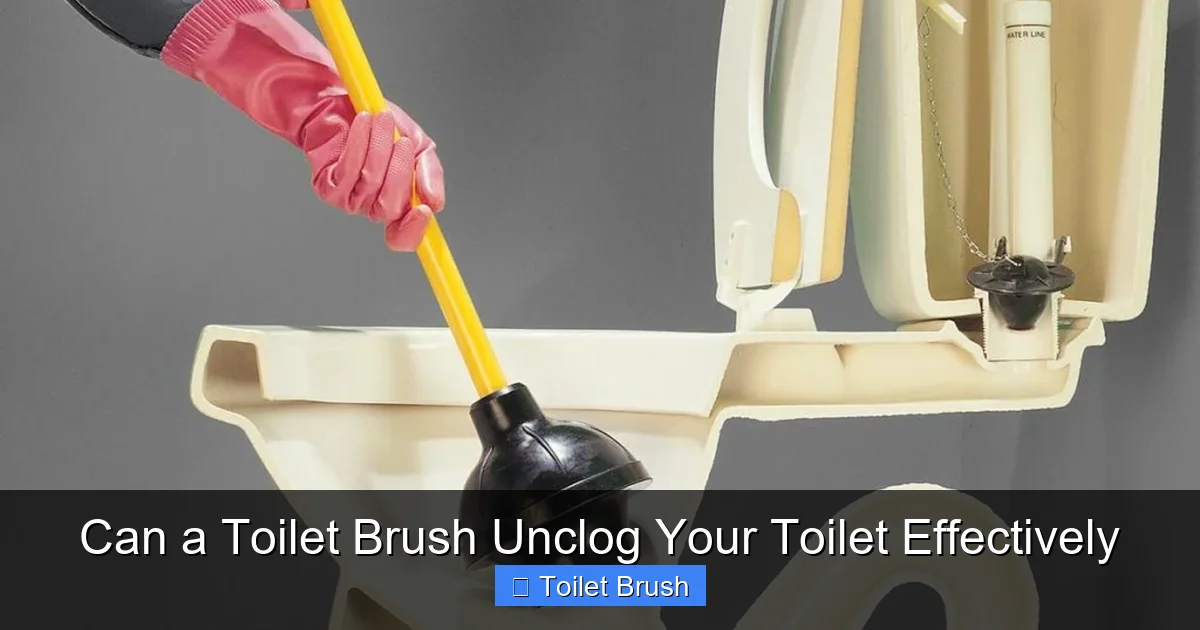
Visual guide about Can a Toilet Brush Unclog Your Toilet Effectively
Image source: pepuphome.com
- It Can Damage Your Toilet: The hard plastic or metal handle can scratch or even crack the porcelain of the toilet bowl, leading to costly repairs.
- It Can Break the Brush: The brush head is designed for scrubbing, not for applying brute force. It can snap off, leaving you with a clog and a broken brush stuck in the drain.
- It Often Makes the Clog Worse: A brush lacks the necessary design to grab or break up a clog. You’ll likely just push the blockage deeper into the drain pipe, making it harder to reach with the proper tools.
- It’s Unhygienic: You’ll be coating the entire brush in contaminated water and waste, making it nearly impossible to clean thoroughly for future use.
Think of your toilet brush like a toothbrush. You wouldn’t use a toothbrush to hammer a nail. In the same way, you shouldn’t use a toilet brush for a job it wasn’t designed to do.
What You Should Use Instead: The Right Tools for the Job
Before we tackle the clog, let’s make sure you have the right gear. Having these tools on hand will save you time and stress.

Visual guide about Can a Toilet Brush Unclog Your Toilet Effectively
Image source: i.ytimg.com
The Essential Tool: A Flange Plunger
This is not your average sink plunger. A flange plunger has a soft rubber cup with an extra piece of rubber (the flange) that folds out. This flange is designed to fit snugly into the toilet’s drain hole, creating a much better seal for powerful suction. This is your number one tool.
The Heavy-Duty Tool: A Toilet Auger
Also called a closet auger, this is a specialized snake for toilets. It has a long, flexible cable with a crank handle and a protective sleeve to prevent scratching the bowl. It can navigate the toilet’s curved trap to hook or break up stubborn clogs.
Helpful Household Items
For minor clogs, you might already have what you need: dish soap and hot water (not boiling). A bucket is also very useful.
Step-by-Step Guide to Unclogging Your Toilet
Now, let’s get to work. Follow these steps in order. Start with the simplest method and move to more advanced solutions only if needed.
Visual guide about Can a Toilet Brush Unclog Your Toilet Effectively
Image source: tiphero.com
Method 1: The Plunger Method (For Most Common Clogs)
This is the first thing you should try. It works for about 90% of toilet clogs.
Step 1: Prepare the Area
Put on some rubber gloves. Lay old towels or newspaper on the floor around the toilet to catch any splashes. If the water level is very high, carefully use a small cup and bucket to remove some water. You want enough water to cover the plunger’s cup for a good seal.
Step 2: Create the Perfect Seal
Insert the plunger into the bowl at an angle, letting it fill with water. Push down gently until the flange unfolds and the cup seals completely over the drain hole. There should be no air bubbles.
Step 3: Use Firm, Controlled Plunges
Do not use frantic, shallow jabs. Push down firmly, then pull back up sharply to create strong suction. Do this 10-15 times. The goal is to push pressure down and then pull the clog back up to break it apart.
Step 4: Test the Drain
After a good set of plunges, quickly pull the plunger away. Listen for a gurgle and watch the water level. If it drains rapidly, success! Flush the toilet once to make sure everything is clear. If it’s still clogged, repeat the process 2-3 more times.
Method 2: The Hot Water & Dish Soap Method (For Soft Clogs)
If the plunger isn’t working or the clog seems minor, this gentle method can help.
Step 1: Add Dish Soap
Squeeze a generous amount (about half a cup) of liquid dish soap into the toilet bowl. The soap acts as a lubricant and can help break down organic material.
Step 2: Add Hot Water
This is critical: Use hot water from the tap, NOT boiling water. Boiling water can crack the porcelain toilet bowl. Carefully pour about a gallon of hot water into the bowl from waist height. The force can help push the soap down.
Step 3: Let it Sit
Allow the soap and hot water to sit for 20-30 minutes. This gives the soap time to coat and soften the clog.
Step 4: Try to Flush
After waiting, try to flush the toilet. If it works, follow with a second flush. If not, move on to the next method.
Method 3: The Toilet Auger Method (For Stubborn Clogs)
When plunging fails, the auger is your next best friend.
Step 1: Insert the Auger
Fully extend the auger’s cable from its sleeve. Gently push the end of the auger into the toilet drain until you feel resistance.
Step 2: Crank and Push
Start turning the crank handle clockwise while applying gentle forward pressure. You are feeding the cable through the toilet’s trap and into the drain line. Keep cranking until you feel the clog.
Step 3: Break Up or Retrieve the Clog
When you hit the clog, continue cranking to either hook onto it or break it apart. Once you feel it give, slowly retract the cable by cranking in reverse. Be prepared to pull out the obstruction.
Step 4: Flush and Clean
Dispose of any waste, then thoroughly flush the toilet. Clean and disinfect the auger before storing it.
Troubleshooting: When Nothing Seems to Work
If you’ve tried all three methods and the toilet is still clogged, the problem might be more serious.
- Multiple Fixtures Are Backing Up: If sinks or tubs are also draining slowly, the clog is likely in the main sewer line, not just the toilet.
- Frequent Clogs: If this is a recurring issue in the same toilet, there may be a partial blockage deep in the pipe or a problem with the toilet’s design.
- You See Sewage Backup: This is a major sign of a sewer line issue and requires immediate professional attention.
In these cases, it’s time to stop DIY efforts.
Prevention: How to Avoid Future Toilet Clogs
The best way to deal with a clog is to never have one. Follow these simple habits:
- Use Less Toilet Paper: Flush reasonable amounts. If needed, flush twice.
- Avoid “Flushable” Wipes: Despite the label, they do not break down like toilet paper and are a leading cause of clogs.
- Never Flush These Items: Feminine hygiene products, cotton swabs, dental floss, paper towels, hair, or cat litter. Use a trash can.
- Perform Regular Maintenance: A monthly preventative flush of hot water and a cup of white vinegar can help keep pipes clear.
Conclusion: Ditch the Brush, Use the Right Tool
So, can a toilet brush unclog your toilet effectively? The definitive answer is no. It’s a cleaning tool, not a plumbing tool. Using it for clogs risks damage, mess, and frustration. Your best path is to be prepared with a proper flange plunger and the knowledge to use it. For tougher jobs, a toilet auger is a wise investment. Remember, most clogs are preventable with mindful flushing habits. If you face a clog you can’t beat, don’t hesitate to call a professional plumber. They have the tools and expertise to solve the problem for good, saving you time and ensuring your home’s plumbing stays healthy.
🎥 Related Video: How to Unclog a Toilet | Basic Life Skills
📺 Hacks by Dad
Learn how to unclog a toilet with a plunger. A basic life skill for all. @hacksbydad Thank you for supporting my channel through …