Do Armor All cleaning wipes kill germs? In most cases, no—standard Armor All cleaning wipes are made to clean and protect surfaces, not to disinfect them. This guide explains what these wipes actually do, how to read the labels, when they’re safe and effective, and when you need true disinfecting wipes instead. By the end, you’ll know exactly how to use Armor All cleaning wipes correctly and what to use if your goal is to kill germs.
Contents
- 1 Key Takeaways
- 2 Do Armor All Cleaning Wipes Kill Germs? Truth Revealed
- 3 Understanding What Armor All Cleaning Wipes Actually Do
- 4 How to Check If Any Wipe Really Kills Germs
- 5 How to Use Armor All Cleaning Wipes Safely and Effectively
- 6 How to Kill Germs on Surfaces the Right Way
- 7 Where Armor All Cleaning Wipes Work Well (And Where They Do Not)
- 8 Troubleshooting Common Problems With Armor All Cleaning Wipes
- 9 Safety Tips When Using Armor All Cleaning Wipes
- 10 Putting It All Together: A Simple Cleaning and Germ-Control Routine
- 11 Conclusion: Do Armor All Cleaning Wipes Kill Germs?
- 12 Author
Key Takeaways
- Point 1: Most Armor All cleaning wipes are for cleaning and shine, not for killing germs or disinfecting surfaces.
- Point 2: A wipe only kills germs if the label clearly says “disinfectant,” “antibacterial,” or lists an EPA registration number.
- Point 3: Use Armor All cleaning wipes to remove dust, light dirt, and fingerprints from car interiors and some household surfaces.
- Point 4: For killing germs, use EPA-registered disinfecting wipes and follow the contact time listed on the label.
- Point 5: Always test wipes on a small hidden area first to avoid damage, streaks, or residue.
- Point 6: Do not use Armor All cleaning wipes on skin, food surfaces, or electronics screens unless the label specifically allows it.
- Point 7: Combine regular cleaning with proper disinfecting for a safer, more hygienic home and car.
Do Armor All Cleaning Wipes Kill Germs? Truth Revealed
Many people grab a pack of wipes and assume they all do the same thing. Wipe the surface, toss the sheet, and you are safe from germs. But that is not always true. So, do Armor All cleaning wipes kill germs? The honest answer is usually no.
Armor All cleaning wipes are mainly made to clean and protect surfaces, especially inside your car. They help remove dust and light dirt. Some also add shine or protect against UV damage. But most of them are not designed to kill germs like disinfecting wipes do.
In this guide, you will learn:
- What Armor All cleaning wipes are actually made to do
- How to check if any wipe really kills germs
- How to use Armor All cleaning wipes the right way
- When you must switch to real disinfecting wipes instead
- Simple steps to keep your car and home both clean and hygienic
By the end, you will know exactly when Armor All cleaning wipes are a good choice and when they are not enough.
Understanding What Armor All Cleaning Wipes Actually Do
To answer “do Armor All cleaning wipes kill germs” you first need to know what they are made for. Most Armor All wipes fall into three main groups:
Visual guide about Do Armor All cleaning wipes kill germs truth revealed
Image source: dishwasherfixer.com
- Cleaning wipes – remove dust, dirt, and grime
- Protectant wipes – add shine and UV protection
- Glass or specialty wipes – reduce streaks on glass or specific surfaces
These wipes focus on how surfaces look and feel, not on killing germs. They are surface cleaners and conditioners, not medical or sanitizing products.
Cleaning vs Disinfecting: Why It Matters
Many people mix up the words “clean” and “disinfect,” but they are not the same:
- Cleaning means removing dirt, dust, and some germs from a surface.
- Disinfecting means killing germs (bacteria and viruses) on a surface using a chemical that has been tested and approved.
Armor All cleaning wipes are mainly for cleaning. They can lift away some germs along with dirt, but they do not reliably kill germs unless the label clearly says they are disinfecting or antibacterial wipes.
If a product does not claim to kill germs, you should assume it is not a disinfectant.
How to Check If Any Wipe Really Kills Germs
Before you decide if Armor All cleaning wipes kill germs, you need to know how to read the label on any cleaning wipe. This quick method works for all brands.
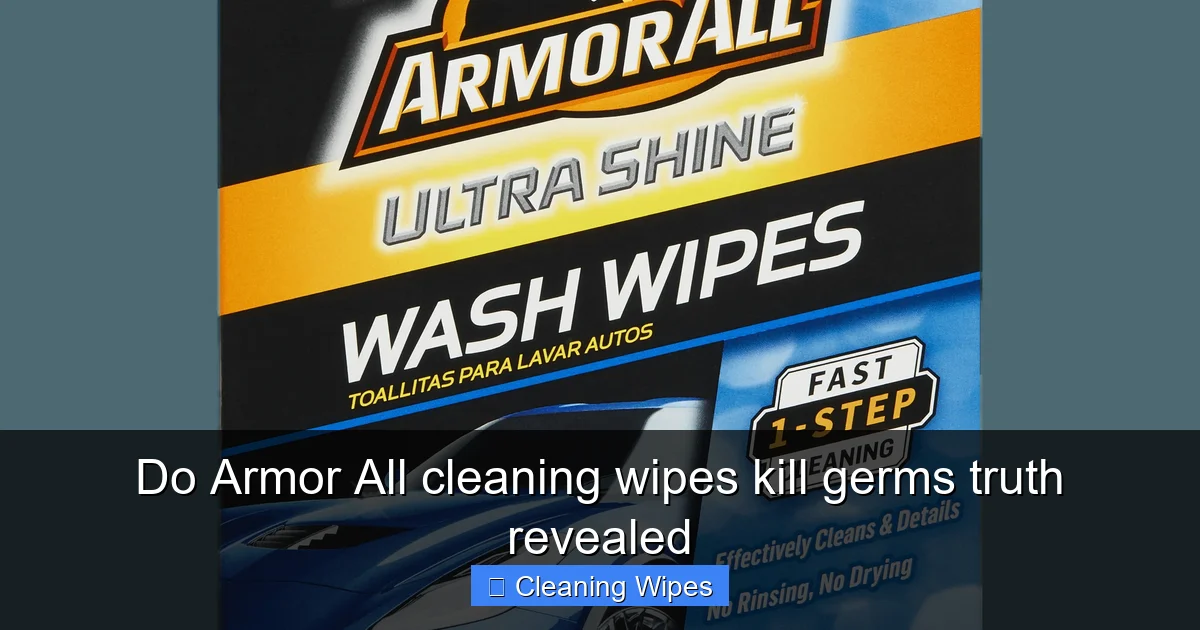
Visual guide about Do Armor All cleaning wipes kill germs truth revealed
Image source: i5.walmartimages.com
Step 1: Look for Clear Disinfecting Claims
Pick up the package and look at the front and back. If a wipe kills germs, the label will usually say things like:
- Disinfecting wipes
- Antibacterial wipes
- Kills 99.9% of bacteria and viruses
- Sanitizing wipes
If you do not see any of these words, the wipes probably do not kill germs. Most Armor All cleaning wipes focus on shine, protection, and cleaning, not on killing germs.
Step 2: Find the EPA Registration Number (For U.S. Products)
Disinfecting wipes in the United States usually have an EPA Registration Number on the back label. This means the product has been tested and approved as a disinfectant.
Look for text like:
- “EPA Reg. No. XXXXX-XXX”
If you do not see an EPA registration number, the product is almost never a true disinfectant. Most Armor All cleaning wipes do not list an EPA registration number because they are not registered as germ killers.
Step 3: Read the Directions for Use
Disinfecting wipes always have detailed directions about how to use them to kill germs. You will see instructions like:
- “Pre-clean heavily soiled areas.”
- “Use enough wipes to keep the surface visibly wet.”
- “Allow surface to remain wet for X minutes.”
- “Let air dry. Do not rinse.”
If the directions only talk about wiping away dust or adding shine and do not mention a “contact time” for killing germs, the wipes are not disinfecting wipes.
When you ask “do Armor All cleaning wipes kill germs,” the label will tell you. If it does not claim to disinfect, it is not meant for that job.
How to Use Armor All Cleaning Wipes Safely and Effectively
Even though most Armor All cleaning wipes do not kill germs, they are still very useful. They make your car interior look better and can help keep surfaces cleaner overall. Here is how to use them the right way.
Step 1: Choose the Right Type of Armor All Wipe
Armor All offers different wipes for different jobs. Common types include:
- Cleaning wipes – for general surface cleaning
- Protectant wipes – for vinyl, plastic, and rubber surfaces
- Leather wipes – for real leather seats and trim
- Glass wipes – for windows and mirrors
Match the wipe to the surface you want to clean. Do not use protectant wipes on glass, and do not use glass wipes on leather.
Step 2: Test on a Small Hidden Area
Before you use any new wipe, do a quick test:
- Pick a small, hidden spot on the surface.
- Wipe it gently and let it dry.
- Check for discoloration, stickiness, or damage.
If the area looks fine, you can safely use the wipe on the rest of the surface. This simple step helps prevent surprises like cloudy screens or faded spots.
Step 3: Wipe the Surface Correctly
Now you can clean the full area:
- Open the container and pull out one wipe.
- Wipe in smooth, overlapping strokes.
- Use light pressure to remove dust and fingerprints.
- Flip the wipe to a clean side as it gets dirty.
For heavy dirt, you may need more than one wipe. Do not scrub too hard on delicate surfaces like soft-touch dashboards or leather.
Step 4: Let the Surface Dry
After wiping, let the surface air dry:
- Do not touch it until it is fully dry.
- On glass, you may want to buff lightly with a dry, clean microfiber cloth to reduce streaks.
Remember, even though you have wiped the surface, you have mostly cleaned it, not disinfected it. If your main concern is germs, you will need an extra step with disinfecting wipes or another approved disinfectant.
How to Kill Germs on Surfaces the Right Way
If your goal is to kill germs, you need more than Armor All cleaning wipes. Here is how to do it correctly.
Step 1: Clean First, Then Disinfect
Germs hide under dirt and grease. That is why the best method is:
- Clean the surface with a cleaning wipe or soap and water.
- Disinfect with a product that is made to kill germs.
Armor All cleaning wipes can handle the cleaning step on many car surfaces. After that, you can use a disinfecting product that is safe for that material.
Step 2: Choose the Right Disinfecting Product
For killing germs, look for:
- EPA-registered disinfecting wipes
- Disinfecting sprays safe for your surface
- Alcohol-based wipes (at least 70% isopropyl alcohol) for some electronics
Always check that the product is safe for the surface you are treating. Some disinfectants can damage leather, touchscreens, or delicate trim.
Step 3: Follow the Contact Time
To truly kill germs, the surface must stay wet for the full “contact time” listed on the label. This is often 2–10 minutes. Many people wipe on a disinfectant and then dry it off too soon. That does not give it enough time to work.
So, when you ask, “do Armor All cleaning wipes kill germs,” remember that even real disinfecting wipes only work if the surface stays wet long enough.
Where Armor All Cleaning Wipes Work Well (And Where They Do Not)
Armor All cleaning wipes are very handy in some places and not a good idea in others.
Best Uses for Armor All Cleaning Wipes
- Car dashboards – remove dust and light dirt
- Door panels and trim – clean and refresh surfaces
- Center consoles – wipe away spills and fingerprints
- Non-touchscreen plastic surfaces – quick cleaning and shine
- Some household plastic items – bins, outdoor plastic chairs (test first)
In these spots, you mainly want clean, good-looking surfaces. You are not usually eating off them or touching your face right after. So cleaning is often enough.
Places You Should Not Use Armor All Cleaning Wipes
- Skin or hands – they are not hand wipes and can cause irritation.
- Food-contact surfaces – kitchen counters, cutting boards, plates, or tables where you eat.
- Electronics screens – many wipes can leave residue or damage coatings.
- Fabric or upholstery – they may stain or leave greasy marks.
- Child toys or baby items – not safe for objects that go into mouths.
If you need to kill germs on these types of surfaces, use products that are designed and labeled for that use.
Troubleshooting Common Problems With Armor All Cleaning Wipes
When people use Armor All cleaning wipes, they sometimes run into issues. Here is how to handle the most common ones.
Problem 1: Surfaces Feel Greasy or Sticky
Some protectant wipes can leave a slick or shiny finish. This can feel greasy, especially on steering wheels or gear shifters.
Fix:
- Buff the area with a clean, dry microfiber cloth.
- Next time, use fewer wipes or switch to basic cleaning wipes instead of protectant wipes on high-touch areas.
Problem 2: Streaks on Glass or Shiny Surfaces
Using the wrong type of wipe on glass can cause streaks or haze.
Fix:
- Use glass-specific wipes or a glass cleaner with a microfiber cloth.
- Wipe in one direction, then buff dry.
Problem 3: Concern About Germs After Cleaning
You might clean your car with Armor All cleaning wipes and still worry about germs, especially after someone has been sick.
Fix:
- Use Armor All cleaning wipes first to remove dirt.
- Then apply an appropriate disinfectant that is safe for that surface.
- Focus on high-touch areas like door handles, steering wheel, gear shift, and controls.
Problem 4: Skin Irritation After Use
Some people notice dry or irritated skin after handling cleaning wipes.
Fix:
- Wear disposable gloves when using any cleaning wipes.
- Wash your hands with soap and water after cleaning.
- If irritation continues, stop using the product and consult a doctor if needed.
Safety Tips When Using Armor All Cleaning Wipes
Even though Armor All cleaning wipes are common, it is still important to use them safely.
- Keep out of reach of children and pets.
- Do not flush wipes. Throw them in the trash.
- Close the package tightly so wipes do not dry out.
- Do not mix products. Avoid using multiple chemicals on the same area at the same time.
- Ventilate the area. Open windows or doors if you are sensitive to smells.
And remember: do Armor All cleaning wipes kill germs? Most do not. So do not rely on them as your only defense against bacteria and viruses.
Putting It All Together: A Simple Cleaning and Germ-Control Routine
Here is a quick routine you can follow to keep your car and home both clean and more hygienic.
Step 1: Daily or Weekly Cleaning
- Use Armor All cleaning wipes on car dashboards, trim, and consoles to remove dust and dirt.
- Use regular household cleaners or soap and water on home surfaces.
This step keeps things looking neat and removes some germs along with visible dirt.
Step 2: Targeted Disinfecting
- Use disinfecting wipes or sprays on high-touch surfaces when someone is sick or during cold and flu season.
- Focus on door handles, steering wheels, light switches, and remote controls.
- Follow the label instructions and contact time.
Step 3: Good Personal Hygiene
- Wash your hands often with soap and water.
- Use alcohol-based hand sanitizer when soap and water are not available.
- Avoid touching your face when you are out and about.
When you combine cleaning, disinfecting, and good hygiene, you get the best protection. Armor All cleaning wipes are just one part of that bigger picture.
Conclusion: Do Armor All Cleaning Wipes Kill Germs?
So, do Armor All cleaning wipes kill germs? In general, no. Most Armor All cleaning wipes are made to clean and protect surfaces, not to disinfect them. They help remove dust, dirt, and some germs, but they are not designed or tested to reliably kill bacteria and viruses.
If you want to kill germs, you must use products that clearly state they are disinfecting or antibacterial and follow the directions carefully. Armor All cleaning wipes are great for keeping your car looking clean and fresh. Just do not rely on them as your main germ-fighting tool.
Use them for what they do best—cleaning and surface care—and pair them with real disinfectants when your goal is to reduce germs and protect your health.