
Yes, modern robot vacuum cleaners work very well for daily maintenance cleaning. They excel at picking up surface debris like dust, pet hair, and crumbs on hard floors and low-pile carpets. Their true value is in convenience, automatically keeping your floors cleaner between deeper manual cleanings.
Contents
- 1 Key Takeaways
- 2 Do Robot Vacuum Cleaners Actually Work Well? A Complete How-To Guide
- 3 Step 1: Understand How Robot Vacuums “Work”
- 4 Step 2: Know What They Are Good At (The Pros)
- 5 Step 3: Know Their Limitations (The Cons)
- 6 Step 4: How to Set Up Your Robot Vacuum for Success
- 7 Step 5: Run Your First Clean and Create a Map
- 8 Step 6: Establish a Maintenance Routine
- 9 Troubleshooting Common Issues
- 10 Conclusion: So, Do They Work Well?
- 11 Author
Key Takeaways
- They Excel at Maintenance: Robot vacuums are designed for daily touch-ups, not deep cleaning. They keep floors noticeably cleaner with minimal effort.
- Navigation is Key: Models with LiDAR or camera-based mapping (vs. random bounce) clean more efficiently and allow for room-specific controls via apps.
- Suction and Brushes Matter: Strong suction paired with a multi-surface brush roll and side brush is crucial for effective pickup on different floor types.
- Preparation is Required: For best results, you must pick up clutter, secure loose cables, and use virtual walls to block off problematic areas.
- They Need Care Too: Regular maintenance—emptying the bin, cleaning brushes and sensors, and replacing filters—is essential for ongoing performance.
- Not a Complete Replacement: They struggle with deep-pile carpets, large debris, and corners. A traditional vacuum or mop is still needed periodically.
- Convenience is the Main Benefit: The biggest win is the “set it and forget it” automation, saving you time and providing peace of mind.
Do Robot Vacuum Cleaners Actually Work Well? A Complete How-To Guide
You see them in ads. They glide silently under your couch. They promise a cleaner home with zero effort. But do robot vacuum cleaners actually work well? Or are they just expensive toys?
The short answer is a resounding yes, they work. But like any tool, you need to know what they are good at and how to use them right. This guide will walk you through everything. You will learn how they work, what they can and cannot do, and how to get the best results from your little robotic helper.
Let’s dive in and demystify the world of robot vacuum cleaners.
Step 1: Understand How Robot Vacuums “Work”
First, let’s break down the magic. A robot vacuum is not a sentient being. It follows programmed logic and uses sensors to navigate your home.
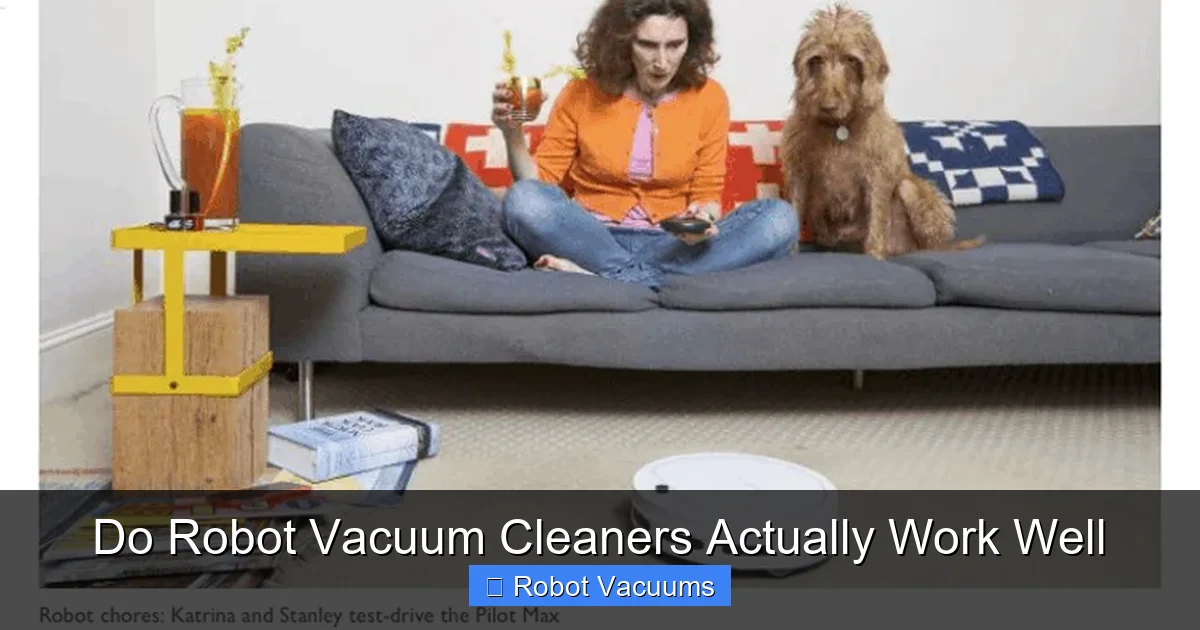
Visual guide about Do Robot Vacuum Cleaners Actually Work Well
Image source: aircraftvacuums.com
The Core Cleaning System
Most models use a three-part system:
- Suction Motor: This pulls dirt and debris up from the floor.
- Main Brush Roll: Often a combination of bristles and rubber fins, this brush agitates and directs debris toward the suction channel.
- Side Brush: This small, spinning brush on the side sweeps dirt from edges and corners into the vacuum’s cleaning path.
The collected dirt goes into a small dustbin you must empty regularly.
This is the biggest factor in how well a robot vacuum works. There are two main types:
- Random Bounce (Basic): These cheaper models wander randomly, bumping into walls and furniture to change direction. They eventually cover the area but are inefficient and can miss spots.
- Smart Mapping (Advanced): These use sensors like LiDAR (laser) or cameras to create a detailed map of your home. They clean in neat, efficient rows, remember room layouts, and let you send them to specific rooms via an app. For best results, choose a model with smart mapping.
Step 2: Know What They Are Good At (The Pros)
Robot vacuums shine in specific areas. Knowing this sets the right expectations.

Visual guide about Do Robot Vacuum Cleaners Actually Work Well
Image source: bestvacuumexpert.com
Daily Maintenance and Convenience
Their greatest strength is automated, daily cleaning. You can schedule them to run while you’re at work or asleep. This constant upkeep prevents dirt from building up, making your floors feel cleaner all the time.
Hard Floors and Low-Pile Rugs
They are fantastic on hardwood, tile, laminate, and vinyl. They easily pick up dust, crumbs, and pet hair from these surfaces. Most also transition well onto thin rugs.
Reaching Under Furniture
Their low profile lets them clean under beds, sofas, and cabinets—areas often neglected during manual vacuuming.
Hands-Off Operation
Once set up, they require very little daily interaction. Just empty the bin. This is a huge time-saver and provides great peace of mind.
Step 3: Know Their Limitations (The Cons)
They are not magic. Be aware of their weaknesses.
Visual guide about Do Robot Vacuum Cleaners Actually Work Well
Image source: bestvacuumexpert.com
Not for Deep Cleaning
They lack the immense suction power of a full-sized upright vacuum. They won’t deep-clean embedded dirt in thick carpets.
Struggles with Certain Obstacles
They can get stuck on:
- Thick carpets or high thresholds
- Loose cables and cords
- Dark floor mats that confuse sensors
- Cluttered floors with toys or clothes
Limited Bin Capacity
The dustbin is small. In a very dirty home or with lots of pet hair, it may need emptying mid-clean. Models with self-emptying docks solve this.
Corners and Edges
While the side brush helps, a robot vacuum cannot clean corners as thoroughly as a human with a crevice tool.
Step 4: How to Set Up Your Robot Vacuum for Success
Your preparation directly impacts how well your robot vacuum works. Follow these steps.
Prepare Your Home
Think of this as “robot-proofing.”
- Pick up clutter from the floor: shoes, toys, cords.
- Secure loose wires or use cord organizers.
- Check for hazards like fragile items on low shelves or pet accidents.
Set Up Boundaries
Use the included magnetic tape “virtual walls” or set up “No-Go Zones” in the app (on mapping models) to block off:
- Pet food and water bowls
- Areas with lots of cords (like behind a TV)
- Rooms you don’t want cleaned
Charge the Base and Connect the App
Place the charging dock in a clear, open area against a wall. Make sure there’s plenty of space on both sides. Download the companion app and connect your vacuum. This unlocks scheduling and mapping features.
Step 5: Run Your First Clean and Create a Map
For mapping robots, the first run is crucial.
Initiate a Full Cleaning Cycle
Send the vacuum out on a whole-home clean. Let it run until it returns to the dock. It will explore and build its map during this run.
Review and Edit the Map
Open the app. You will see the map it created. You can now:
- Name rooms (Kitchen, Living Room).
- Draw invisible walls to block areas.
- Set up room-specific cleaning. Want just the kitchen cleaned after dinner? Just tap that room in the app.
This step turns your robot from a simple cleaner into an intelligent home appliance.
Step 6: Establish a Maintenance Routine
To keep your robot vacuum working well, you must care for it. Do these tasks weekly.
Empty the Dustbin
Empty it after every clean, especially with pets. A full bin reduces suction power.
Clean the Brushes
Remove the main brush roll and side brush. Cut away any wrapped hair or threads. This prevents the motor from straining.
Wipe the Sensors
Gently wipe the cliff sensors (on the underside) and any navigation sensors with a dry cloth. Dust here can cause navigation errors.
Check and Replace Filters
Most have a washable pre-filter. Rinse it every few weeks and let it dry completely. Replace the HEPA filter as the manual recommends (usually every 2-3 months).
Troubleshooting Common Issues
Even the best robot vacuum can have problems. Here are quick fixes.
- Robot is stuck or beeping: Check for and remove tangled debris from brushes or wheels. Move it to a new location and restart.
- Robot is missing spots: Ensure sensors are clean. For random-bounce models, this is normal; try running it more often. For mapping robots, check that the map is accurate.
- Suction seems weak: Empty the dustbin, clean the filter, and check for clogs in the air pathway.
- Robot won’t connect to Wi-Fi: Restart both your router and the robot. Ensure you’re using a 2.4GHz network (most don’t support 5GHz).
Conclusion: So, Do They Work Well?
Absolutely. A modern robot vacuum cleaner is a powerful tool for maintaining clean floors. It works tirelessly in the background, picking up the daily dust and dirt that accumulates.
It is not a perfect, one-stop replacement for all cleaning. You will still need to do deeper cleans occasionally. But what it offers is invaluable: convenience and consistency. It takes a daily chore off your plate, giving you back time and reducing the mental load of housework.
If you set it up correctly, maintain it, and understand its role as a maintenance pro—not a deep-cleaning specialist—you will likely wonder how you ever lived without it. The answer to “do robot vacuum cleaners work well” is a confident yes, provided you work with them.
🎥 Related Video: Is Robot Vacuums Worth the Money?
📺 İncelemedeyim
Avideo showing cleaning performance of the robot vacuum cleaner #asmr Roomba and Roborock, Dreame robot vacuum cleaner …