
This guide explains how a spin mop’s bucket is designed to separate dirty water and why this feature is crucial for effective cleaning. You’ll learn a simple step-by-step method to test your own mop’s effectiveness and get practical tips for maintenance and troubleshooting to ensure you’re always cleaning with clean water.
Contents
- 1 Key Takeaways
- 2 Does Your Spin Mop Separate Dirty Water Effectively? A Complete How-To Guide
- 3 How a Spin Mop Bucket is Supposed to Work
- 4 Why Effective Water Separation Matters
- 5 How to Test Your Spin Mop’s Separation Effectiveness
- 6 Factors That Affect Water Separation
- 7 Pro Tips for Maximizing Water Separation
- 8 Troubleshooting Common Separation Problems
- 9 Conclusion: Clean Floors Start with Clean Water
- 10 Author
Key Takeaways
- Separation is the Core Design: A proper spin mop system uses a dual-compartment bucket to physically isolate dirty rinse water from your clean cleaning solution.
- Effectiveness Varies by Model: Not all spin mop buckets are created equal; design quality, user technique, and maintenance impact how well they separate water.
- It’s a Health & Cleanliness Essential: Effective separation prevents you from redepositing grime onto your floors, leading to a more sanitary clean.
- You Can Easily Test It: A simple “visual test” with food coloring or a dirt simulation can show you how well your specific mop bucket is working.
- Proper Technique is Key: How you spin, dunk, and wring the mop head directly affects the bucket’s ability to keep water separate.
- Regular Cleaning is Non-Negotiable: To maintain separation, you must regularly empty, rinse, and sanitize both compartments of the bucket.
- Troubleshooting Can Fix Issues: Common problems like water crossover or poor spinning often have simple solutions, from checking seals to cleaning the mechanism.
Does Your Spin Mop Separate Dirty Water Effectively? A Complete How-To Guide
You bought a spin mop for a reason. You wanted an easier, faster, and cleaner way to wash your floors. The promise is simple: a bucket that keeps the dirty water away from your clean soapy water. But does it really work? If you’ve ever looked at the murky water in your bucket and wondered, you’re not alone.
This guide will walk you through everything you need to know. We’ll explain the science behind the design. You’ll learn a foolproof method to test your own mop. We will also share pro tips and fixes to make sure your spin mop is working its best. Let’s dive in and get your floors truly clean.
How a Spin Mop Bucket is Supposed to Work
First, let’s break down the magic. A traditional mop uses one bucket. You dip, you mop, you dip again in the same dirty water. A spin mop system is designed to break this cycle.
Visual guide about Does Your Spin Mop Separate Dirty Water Effectively
Image source: 5.imimg.com
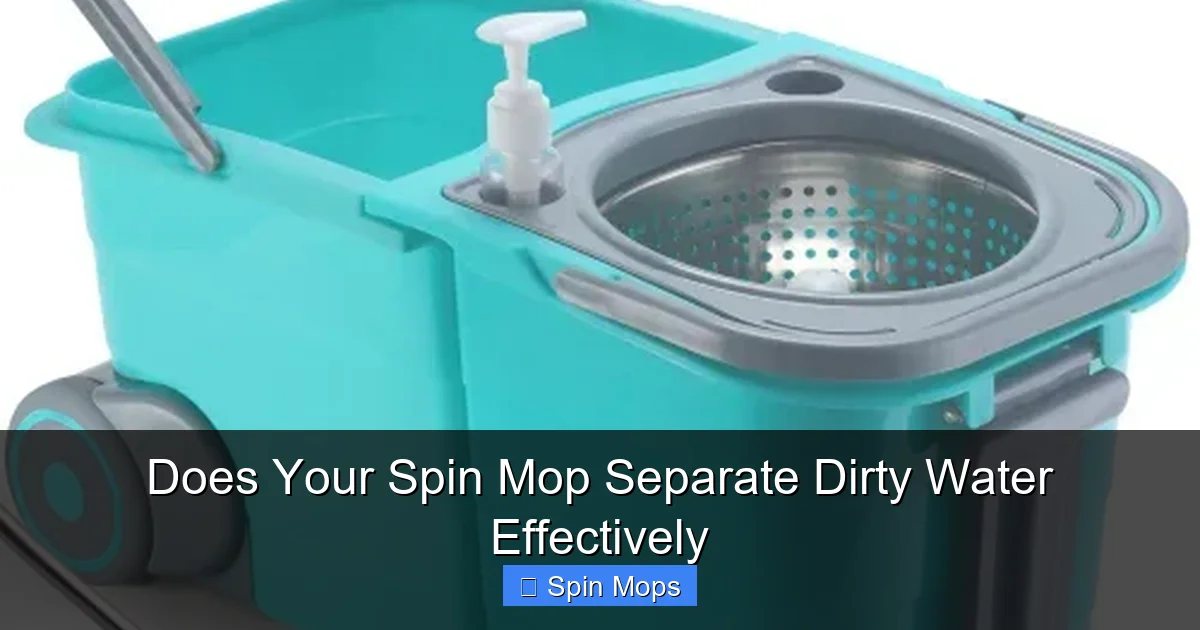
A proper spin mop bucket has two sections:
- The Wash Compartment: This is where you put your fresh, clean water and floor cleaner. It’s often the larger section.
- The Spin Compartment: This is the smaller, inner bucket or dedicated section with the spinning mechanism. Its job is to wring out the mop head.
Here’s the ideal workflow:
- You saturate the mop head in the clean wash compartment.
- You mop a section of the floor, picking up dirt.
- You place the mop head into the spin compartment and activate the mechanism. The dirty water is flung off into this compartment.
- You return to the wash compartment to get fresh, clean solution again.
The key is that the dirty water from spinning is trapped in the spin compartment. It should not flow back into the main wash compartment. This is the “separation” that makes the system effective.
Why Effective Water Separation Matters
This isn’t just a fancy feature. It’s the heart of a good clean.

Visual guide about Does Your Spin Mop Separate Dirty Water Effectively
Image source: 5.imimg.com
- You Don’t Redeposit Dirt: The main point! If dirty water mixes with your clean solution, you’re just spreading a diluted dirt soup around your floor.
- Better Sanitation: You reduce the spread of bacteria and germs. This is crucial for kitchens, bathrooms, and homes with pets or kids.
- Cleaning Solution Stays Powerful: Your soap or cleaner remains effective longer because it’s not being diluted and neutralized by grime.
- You See Real Results: You can actually see the dirt being removed and contained, giving you confidence in your cleaning.
How to Test Your Spin Mop’s Separation Effectiveness
Don’t just guess. Let’s run a simple test. You’ll need your spin mop, bucket, water, and some food coloring or instant coffee.
Visual guide about Does Your Spin Mop Separate Dirty Water Effectively
Image source: img.ltwebstatic.com
Step 1: The Setup
Fill the wash compartment with clean water. Do not add any cleaner for this test. Leave the spin compartment empty and dry. This is your baseline.
Step 2: Create Your “Dirt”
Take a small cup of water and add several drops of dark food coloring (blue or green works well) or a spoonful of instant coffee. This colored water will represent your “dirty” rinse water. Soak your mop head in this colored solution until it’s fully saturated.
Step 3: Perform the Spin
Place the dripping, colored mop head directly into the spin compartment. Now, spin it vigorously. Use the pedal or handle as you normally would. The colored “dirty” water will be flung into the spin compartment.
Step 4: Inspect the Results
This is the moment of truth. Look carefully at the wash compartment.
- Great Separation: The water in the wash compartment is still completely clear. All the colored water is contained in the spin compartment.
- Poor Separation: You see traces of color in the wash compartment water. This means dirty water is leaking or splashing back in.
- Failed Separation: The wash compartment water is noticeably tinted. The barrier between compartments is not effective.
This visual test clearly shows how well your specific model keeps water separate.
Factors That Affect Water Separation
Several things influence how well your mop bucket performs.
Bucket Design and Quality
A high-quality bucket will have a tall, well-sealed divider between compartments. Cheaper models may have a low divider or gaps, allowing easy crossover, especially when the bucket is moved.
User Technique
How you use the mop matters a lot. Aggressive, fast spinning can create splash-back. Dunking the mop too forcefully into the wash compartment can create waves that go over the divider.
Maintenance and Cleanliness
A divider clogged with hair, soap scum, or debris can act as a bridge, letting water seep through. A dirty spin mechanism won’t wring effectively, leaving the mop too wet and causing more splash.
Mop Head Material
Excessively thick or long mop head fibers can hold a huge amount of water. When spun, they can release more “dirty” water than the spin compartment is designed to hold, leading to overflow back into the clean side.
Pro Tips for Maximizing Water Separation
Use these tips to get the most out of your spin mop system.
- Spin Gently but Thoroughly: Use a steady, controlled spin motion. The goal is to extract water, not create a tornado in the bucket.
- Mind the Dunk: Lower the mop head into the wash compartment gently to avoid sloshing.
- Empty the Spin Compartment Often: Don’t let the dirty water level get too high. Empty it after cleaning a particularly dirty area or every few spins.
- Use the Right Amount of Solution: Overfilling the wash compartment makes crossover easier. Follow the fill lines on your bucket.
- Upgrade Your Mop Head: Consider a microfiber head designed for your model. They often wring out more efficiently and hold less excess dirty water.
Troubleshooting Common Separation Problems
Is your test showing poor results? Don’t throw out the mop just yet. Try these fixes.
Problem: Water Clearly Moves Between Compartments
Check the Divider Seal: Inspect the plastic wall between sections. Is it cracked? Is it fully snapped into place? Ensure it’s seated correctly.
Clean the Divider Channel: Grime can build up in the channel where the divider sits. Remove the divider and wash the channel thoroughly.
Problem: Splash-Back During Spinning
Don’t Over-Spin: Reduce the speed and force of your spinning action.
Check Mop Head Load: Is the mop head overly saturated? Wring it manually over a sink once before your first spin to remove excess “dirt” load.
Problem: The Mop Head Doesn’t Spin Well
Clean the Spin Mechanism: Hair and string wrapped around the spinner basket will slow it down. Unplug any debris.
Ensure Proper Engagement: Make sure the mop handle is fully and correctly clicked into the spinning mechanism.
Problem: Dirty Water Overflows the Spin Compartment
Empty It More Frequently: This is a user habit issue. Get in the routine of dumping the dirty water often.
Use Less Water in the Wash Compartment: A lower water level in the main compartment reduces the total amount of water the mop can pick up and then dump into the spin side.
Conclusion: Clean Floors Start with Clean Water
So, does your spin mop separate dirty water effectively? Now you have the tools to answer that question with confidence. The design is meant to work, but its success depends on the quality of your tools and how you use them.
Take five minutes to do the food coloring test. It’s an eye-opener. Use the tips to refine your technique. Perform the simple maintenance. When your spin mop system works as intended, you’re not just pushing dirt around. You’re actually removing it. Your cleaning becomes more efficient, more sanitary, and frankly, more satisfying. Here’s to cleaner floors and the peace of mind that comes with them.
🎥 Related Video: How To Use Your Ocedar RinseClean Easy Wring Spin Mop
📺 Home Reimagined
How to use your Ocedar easy wring rinse clean spin mop Buy it here : https://amzn.to/41uElDM. Shop all products here!