
Transform your workspace with the best houseplants that boost air quality and mood effortlessly. This guide reveals top desk-friendly picks requiring minimal light and care, perfect for beginners. Learn simple steps to keep them thriving and create a healthier, greener home office.
Contents
- 1 Key Takeaways
- 2 What Are the Best Houseplants? Your Guide to a Healthier, Happier Home Office
- 3 Why Desk Plants Are Essential for a Healthy Home (Beyond Just Looks)
- 4 How to Choose the BEST Houseplants for YOUR Desk: The Simple Checklist
- 5 Top 5 BEST Houseplants for Desks: Healthy, Hardy & Hands-Off
- 5.1 1. Snake Plant (Sansevieria trifasciata) – The Indestructible Air Purifier
- 5.2 2. ZZ Plant (Zamioculcas zamiifolia) – The Glossy Low-Light King
- 5.3 3. Pothos (Epipremnum aureum) – The Versatile Trailing Star
- 5.4 4. Spider Plant (Chlorophytum comosum) – The Pet-Safe Purifier
- 5.5 5. Parlor Palm (Chamaedorea elegans) – The Elegant Classic
- 6 Your Step-by-Step Desk Plant Care Routine (Simple & Sustainable)
- 7 Troubleshooting Common Desk Plant Problems (Quick Fixes!)
- 8 Creating Your Healthy Home Oasis: Beyond the Single Desk Plant
- 9 Conclusion: Your Healthier, Greener Home Starts Today
- 10 Author
Key Takeaways
- Prioritize air-purifying power: Choose plants proven to filter toxins like formaldehyde and benzene, creating a healthier indoor environment.
- Embrace low-light tolerance: Select varieties that flourish in typical office or home desk lighting (north-facing windows, fluorescent lights).
- Master the “soak and dry” watering rule: Water thoroughly only when soil is completely dry 1-2 inches down to prevent deadly root rot.
- Start small and slow: Begin with just 1-2 easy-care plants like Snake Plant or ZZ Plant to build confidence before expanding.
- Pet safety is non-negotiable: Always verify plant toxicity (e.g., Pothos is toxic) if you have curious cats or dogs nearby.
- Dust leaves regularly: Wipe foliage monthly with a damp cloth to maintain photosynthesis and plant health.
- Patience beats perfection: Yellow leaves or slow growth are normal; adjust care gradually instead of drastic changes.
What Are the Best Houseplants? Your Guide to a Healthier, Happier Home Office
Staring at a blank screen or a cluttered desk? What if adding a simple green friend could actually make you feel better and work better? You’ve probably heard houseplants are great for your home, but with so many options, it’s overwhelming. Which ones actually thrive on your desk? Which ones won’t die if you forget to water them for a week? And crucially, which ones genuinely make your indoor air healthier?
This guide cuts through the noise. We’re focusing specifically on the best houseplants for desks and workspaces – the ones proven to be tough, adaptable, and beneficial for your health. Forget high-maintenance orchids or fussy ferns. We’re talking about real-world plants that fit into busy lives, survive typical office lighting, and actively clean the air you breathe. By the end, you’ll know exactly which plants to choose, how to keep them simple and thriving, and how they contribute to a truly healthy home environment. Let’s get your desk green and your air fresh!
Why Desk Plants Are Essential for a Healthy Home (Beyond Just Looks)
It’s not just about adding a splash of color. Science backs up the benefits of having the best houseplants on your desk or nearby:
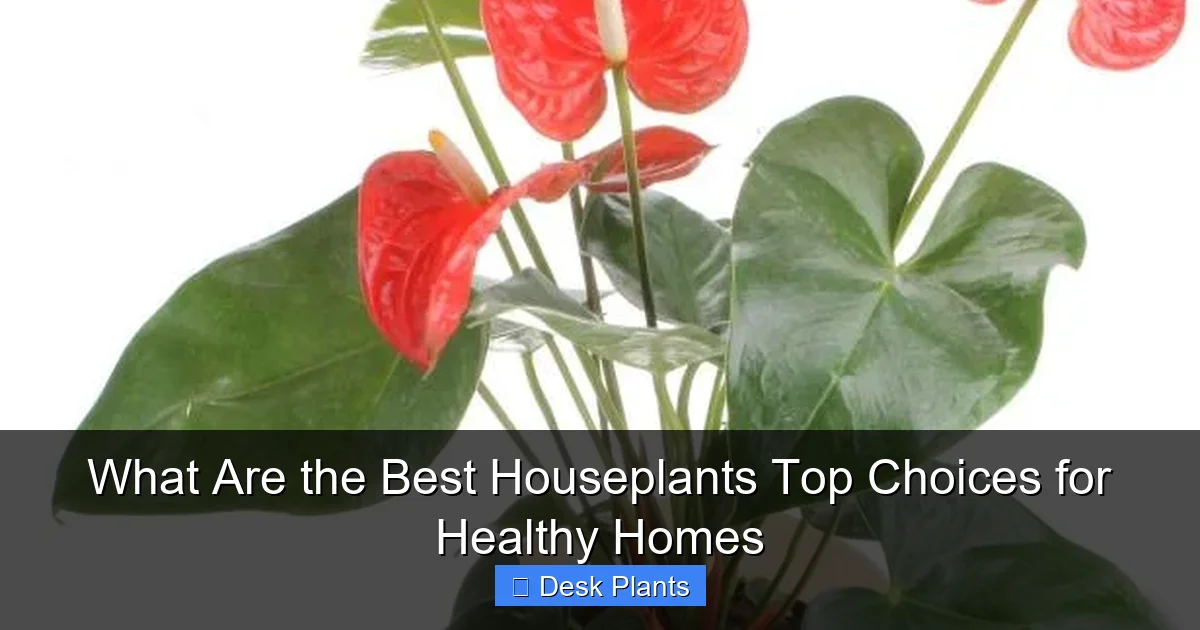
Visual guide about What Are the Best Houseplants Top Choices for Healthy Homes
Image source: hgtvhome.sndimg.com
- Air purification powerhouses: NASA’s famous Clean Air Study identified specific plants that absorb common indoor toxins like formaldehyde (from furniture), benzene (from plastics), and trichloroethylene (from cleaning products). Plants like the Snake Plant and Peace Lily are top performers.
- Stress busters: Studies show simply looking at greenery reduces stress, lowers blood pressure, and improves mood. A plant on your desk provides a quick visual break during a hectic workday.
- Humidity heroes: Many plants release moisture vapor through their leaves (transpiration), gently increasing humidity in dry office environments, which is great for your skin and respiratory system.
- Focus and productivity boosters: Research indicates that having plants in your workspace can improve concentration, memory retention, and overall productivity by up to 15%.
Choosing the right desk plants means you get these tangible health benefits without adding complexity to your routine. The key is selecting varieties that match your actual light conditions and willingness to care for them.
How to Choose the BEST Houseplants for YOUR Desk: The Simple Checklist
Not all “easy” plants are created equal for desk life. Use this practical checklist to find your perfect match:

Visual guide about What Are the Best Houseplants Top Choices for Healthy Homes
Image source: hgtvhome.sndimg.com
1. Light Levels: Be Honest About Your Workspace
This is the #1 factor. Don’t fall for “low light” claims if your desk is in a pitch-black corner! Assess your space:
- Bright Indirect Light (Ideal for many): Desk near a north-facing window, or a few feet back from east/west windows (no harsh direct sun). Most top desk plants thrive here.
- Low Light (Survivors only): Desk far from windows, under fluorescent office lighting, or in a room with only a small north window. Only the toughest plants (Snake Plant, ZZ Plant) excel here.
- Avoid Direct Sun: Most desk plants hate harsh, direct afternoon sun which scorches leaves. East-facing morning sun is usually okay.
Pro Tip: Take a photo of your desk setup in the morning and afternoon. Notice how much natural light actually hits the spot where you want the plant.
2. Watering Reality: How Often Will YOU Actually Water?
Overwatering is the #1 killer of houseplants. Be realistic:
- Forgetful Waterer? Choose drought-tolerant plants like Snake Plant, ZZ Plant, or Cast Iron Plant. They prefer to dry out completely between waterings.
- Consistent Waterer? Plants like Pothos or Peace Lily (though they prefer consistent moisture) can work, but still avoid soggy soil.
- Never Water? Start with the absolute toughest (Snake Plant, ZZ Plant). Even they need water eventually!
Pro Tip: Invest in a cheap moisture meter ($5-$10). Stick it in the soil – water only when it reads “dry” 1-2 inches down. Your finger works too!
3. Space & Size: Think Desk Real Estate
Measure your available space! Avoid plants that will outgrow your desk in a year.
- Compact Champions: Snake Plant (upright varieties), ZZ Plant (slow grower), Peperomia (many small varieties), small Pothos (trailing or compact types).
- Medium Movers: Larger Pothos, smaller Dracaena varieties (like ‘Janet Craig’), Parlor Palm.
- Avoid (for most desks): Large Fiddle Leaf Figs, mature Monstera, big Bird of Paradise.
Pro Tip: Choose a plant that’s currently 6-12 inches tall for most desks. It gives room to grow without dominating.
4. Pet Safety: Non-Negotiable if You Have Animals
Many popular houseplants are toxic to cats and dogs. Always check!
- Pet-Safe Stars: Spider Plant, Parlor Palm, Boston Fern (needs more humidity), Cast Iron Plant, Peperomia (most varieties).
- Toxic to Avoid (if pets roam): Pothos, ZZ Plant, Peace Lily, Snake Plant, Dieffenbachia, Philodendron.
Pro Tip: Bookmark the ASPCA’s toxic plant list. When in doubt, choose a pet-safe option like the Spider Plant.
Top 5 BEST Houseplants for Desks: Healthy, Hardy & Hands-Off
Based on the checklist above, here are the undisputed champions for desk life. They combine air-purifying power, low-light tolerance, and forgiving care:
Visual guide about What Are the Best Houseplants Top Choices for Healthy Homes
Image source: balconygardenweb.b-cdn.net
1. Snake Plant (Sansevieria trifasciata) – The Indestructible Air Purifier
Why it’s #1 for Desks: Thrives on neglect, survives in very low light, and is NASA-certified for removing toxins like formaldehyde and benzene. Its upright growth fits perfectly on desks.
- Light: Low to bright indirect light. Tolerates fluorescent office lighting.
- Water: Water ONLY when soil is completely dry (every 3-8 weeks). Overwatering = certain death.
- Desk Perks: Releases oxygen at night (unlike most plants), improving sleep quality if near your bed too! Very slow growing.
- Care Tip: Wipe leaves monthly with a damp cloth to remove dust. Use well-draining cactus/succulent mix.
2. ZZ Plant (Zamioculcas zamiifolia) – The Glossy Low-Light King
Why it’s a Desk Hero: Has glossy, dark green leaves and an incredible ability to store water in its rhizomes. Thrives in the darkest corners of offices.
- Light: Very low light to bright indirect. Avoid direct sun.
- Water: Water deeply only when soil is 100% dry (every 4-6 weeks, sometimes longer). Extremely drought-tolerant.
- Desk Perks: Adds a lush, tropical feel without demanding attention. Excellent for modern aesthetics.
- Care Tip: Dust leaves regularly to keep them shiny. Toxic to pets – keep out of reach.
3. Pothos (Epipremnum aureum) – The Versatile Trailing Star
Why it Belongs on Your Desk: Incredibly adaptable, fast-growing (but controllable), and excellent at removing indoor air pollutants. Trails beautifully or can be kept compact.
- Light: Low to bright indirect light. Variegation fades in very low light but it still survives.
- Water: Water when top 1-2 inches of soil feel dry (every 1-2 weeks). Tolerates slight drying out.
- Desk Perks: Can trail down shelves or be pruned to stay bushy on the desk. Many varieties (Golden, Marble Queen, Neon).
- Care Tip: Prune leggy stems to encourage bushiness. Toxic to pets. Propagate cuttings in water for free plants!
4. Spider Plant (Chlorophytum comosum) – The Pet-Safe Purifier
Why it’s Perfect for Family Desks: Non-toxic to pets and kids, produces “pups” (baby plants) easily, and effectively removes carbon monoxide and xylene.
- Light: Bright indirect light is best, but tolerates moderate light. Avoid harsh direct sun.
- Water: Keep soil lightly moist (not soggy). Water when top inch feels dry. Sensitive to fluoride (tip burn possible).
- Desk Perks: The trailing pups add charm. Great for hanging baskets *near* the desk if space is tight.
- Care Tip: Trim brown tips with scissors. Let pups root in water before planting. Prefers slightly crowded pots.
5. Parlor Palm (Chamaedorea elegans) – The Elegant Classic
Why it Elevates Your Workspace: Adds a touch of lush, tropical elegance. One of the few palms that genuinely thrives in lower light conditions common in homes and offices.
- Light: Low to medium indirect light. Avoid direct sun and very dark corners.
- Water: Water when top 1-2 inches of soil feel dry. Prefers consistent moisture but hates soggy roots.
- Desk Perks: Pet-safe! Slow-growing, so it stays manageable on a desk for years. Excellent air humidifier.
- Care Tip: Mist leaves occasionally for extra humidity, especially in dry winters. Wipe fronds to remove dust.
Your Step-by-Step Desk Plant Care Routine (Simple & Sustainable)
Caring for your new desk friend shouldn’t feel like a chore. Follow this easy routine:
Step 1: The Perfect Pot & Soil Setup
- Drainage is EVERYTHING: Always use a pot with drainage holes. No holes? Add a layer of gravel at the bottom *and* be extra careful watering.
- Soil Matters: Use a quality potting mix (not garden soil). For Snake/ZZ Plants, add extra perlite or use cactus mix for better drainage.
- Pot Size: Choose a pot only 1-2 inches larger in diameter than the plant’s root ball. Too big = soggy soil.
Step 2: Watering Wisdom – The Golden Rule
- Check BEFORE You Water: Stick your finger 1-2 inches into the soil. Water ONLY if it feels dry.
- Water Thoroughly: When you water, do it slowly until water runs out the drainage holes. This ensures roots get moisture.
- Empty the Saucer: Never let the pot sit in standing water for more than 30 minutes. Dump it!
- Frequency Guide (Adjust for YOUR plant & conditions):
- Snake/ZZ Plant: Every 3-8 weeks
- Pothos/Parlor Palm: Every 1-2 weeks
- Spider Plant: When top inch is dry (often weekly)
Step 3: Light & Placement Perfection
- Rotate Weekly: Turn your plant 90 degrees every time you water for even growth.
- Clean Leaves Monthly: Wipe with a damp microfiber cloth to remove dust blocking light.
- Avoid Drafts: Keep away from cold windows in winter, AC vents, or frequently opened doors.
- Seasonal Shifts: Plants need less water in winter (less light, cooler temps). Adjust accordingly.
Step 4: Minimal Maintenance for Maximum Health
- Fertilizing (Optional & Infrequent): Feed diluted liquid fertilizer ONLY during spring/summer growth (once a month max). Skip in fall/winter. Less is more!
- Pruning: Snip off yellow or dead leaves at the base with clean scissors. Trim leggy stems on Pothos to encourage bushiness.
- Repotting: Only repot when roots are tightly packed and growing out the drainage holes (usually every 1-2 years). Do this in spring.
Troubleshooting Common Desk Plant Problems (Quick Fixes!)
Even the best houseplants can have hiccups. Here’s how to fix the most common issues:
Problem: Yellow Leaves
- Most Likely Cause: Overwatering (roots are rotting).
- Quick Fix: Stop watering immediately. Check soil moisture. If soggy, remove plant, trim black/mushy roots, repot in fresh dry soil. Water sparingly.
- Other Causes: Too much direct sun, nutrient deficiency (rare with infrequent feeding), natural aging (bottom leaves).
Problem: Brown, Crispy Leaf Tips
- Most Likely Cause: Underwatering OR low humidity (common in offices/homes with AC/heat).
- Quick Fix: Water thoroughly if soil is dry. Increase humidity: mist leaves (morning only), use a pebble tray, or group plants together. Trim brown tips with scissors.
- Other Cause: Fluoride sensitivity (Spider Plants, some Dracaenas) – use filtered water.
Problem: Drooping or Wilting Leaves
- Most Likely Cause: Underwatering (soil is bone dry).
- Quick Fix: Water deeply immediately. Place pot in a sink of water for 10-15 minutes to rehydrate thoroughly, then drain well.
- Other Cause: Overwatering (roots can’t take up water due to rot) – check soil moisture first!
Problem: Leggy Growth (Stems long, few leaves)
- Cause: Not enough light. Plant is stretching towards the light source.
- Quick Fix: Move plant to a brighter spot (but avoid harsh direct sun). Prune back leggy stems to encourage new growth from the base.
Plant Emergency Kit:
- Moisture meter or your finger
- Clean scissors/pruners
- Extra potting mix
- Small container for emergency soaking
- Notebook to track watering/light changes
Creating Your Healthy Home Oasis: Beyond the Single Desk Plant
Once you’ve mastered one or two desk plants, expand your green haven:
- Group Plants: Cluster 2-3 compatible plants together. They create a mini-humidifying microclimate and look stunning.
- Think Vertical: Use wall shelves or hanging planters (like for Spider Plants or Pothos) to add greenery without taking desk space.
- Entryway & Living Room: Place larger air-purifiers like a mature Snake Plant or ZZ Plant in common areas for maximum toxin removal.
- Bedroom Boost: Add a Snake Plant (night oxygen producer) or Lavender (calming scent) for better sleep.
Remember, consistency beats intensity. A few well-cared-for plants in key areas have a bigger impact than many neglected ones. Focus on the best houseplants that fit *your* life.
Conclusion: Your Healthier, Greener Home Starts Today
Choosing the best houseplants for your desk isn’t about becoming a master gardener. It’s about making a simple, smart choice for your well-being and your home environment. By focusing on tough, adaptable varieties like the Snake Plant, ZZ Plant, Pothos, Spider Plant, and Parlor Palm, you get powerful air purification, stress reduction, and a touch of nature’s calm – all without adding complexity to your busy schedule.
The key is starting small. Pick *one* plant that matches your light and your willingness to water. Master the “soak and dry” method. Celebrate the small wins when you see new growth. Before you know it, that single desk plant becomes a source of daily joy and a tangible step towards a truly healthy home. Your lungs, your focus, and your mood will thank you. So go ahead – pick your green companion today and breathe easier tomorrow.
🎥 Related Video: Best houseplants to grow without care / Zero care indoor plants #short #plantidentification
📺 Wildmoss Nature Blog
Best houseplants to grow without care / Zero care indoor plants #short #plantidentification Low maintenance indoor plants indoor …