
Transform your workspace with the best desk plants that require minimal effort. This guide reveals top low-maintenance, air-purifying varieties perfect for any home office, even in low light. Learn simple care routines to keep your green friends thriving stress-free.
Contents
- 1 Key Takeaways
- 2 Why Desk Plants Are Your Secret Weapon for a Happier, Healthier Home Office
- 3 Step 1: Choosing Your Perfect Desk Plant Match (No Green Thumb Required!)
- 4 Step 2: Meet the Absolute Best Desk Plants for Easy Care (Our Top 5 Picks)
- 4.1 #1 The Unkillable Champion: ZZ Plant (Zamioculcas zamiifolia)
- 4.2 #2 The Air-Purifying Powerhouse: Snake Plant (Sansevieria trifasciata)
- 4.3 #3 The Dramatic Hydrator: Peace Lily (Spathiphyllum)
- 4.4 #4 The Cascading Beauty: Pothos (Epipremnum aureum)
- 4.5 #5 The Humidity Lover: Boston Fern (Nephrolepis exaltata)
- 5 Step 3: Mastering Simple Desk Plant Care (The Easy Way!)
- 6 Step 4: Troubleshooting Common Desk Plant Problems (Don’t Panic!)
- 7 Step 5: Level Up Your Desk Plant Game (Simple Upgrades)
- 8 Conclusion: Your Thriving Desk Oasis Awaits
- 9 Author
Key Takeaways
- Prioritize low-light tolerance: Choose plants like ZZ or Snake Plants that survive office fluorescent lights or north-facing windows.
- Water less, not more: Overwatering kills more desk plants than neglect. Always check soil dryness before watering.
- Air purification is a bonus: Many top desk plants (Peace Lily, Spider Plant) filter common indoor toxins like formaldehyde.
- Pet safety matters: Avoid toxic varieties like Pothos if you have curious cats or dogs; opt for Boston Ferns or Areca Palms instead.
- Start small and slow: Begin with one or two resilient plants (like a ZZ) before expanding your indoor jungle.
- Clean leaves regularly: Dust blocks light absorption; wipe leaves gently with a damp cloth monthly.
- Don’t fear yellow leaves: Often a sign of overwatering or natural aging – adjust care, not panic.
Why Desk Plants Are Your Secret Weapon for a Happier, Healthier Home Office
Staring at a blank wall or a cluttered desk all day? You’re missing out on a simple, science-backed upgrade: the best desk plants. These aren’t just pretty decorations. They’re your personal air filters, stress busters, and productivity partners – all rolled into one low-maintenance package. Imagine breathing cleaner air while your focus sharpens and your mood lifts. That’s the magic of having the right green companion on your desk.
But let’s be real: not everyone has a “green thumb.” Maybe you’ve killed a cactus (yes, it happens!), or your office has terrible lighting. The good news? Finding the best desk plants for easy care is absolutely possible. Forget fussy orchids or high-humidity ferns that demand constant attention. This guide cuts through the noise. We’ll focus on resilient, forgiving varieties that thrive on neglect (seriously!) and fit perfectly into busy lives. Whether you work from a sun-drenched kitchen table or a dimly lit basement office, you’ll discover desk plants that won’t quit on you. Get ready to bring life, color, and calm to your workspace – without the hassle.
Step 1: Choosing Your Perfect Desk Plant Match (No Green Thumb Required!)
Picking the right plant is 80% of the battle. The best desk plants aren’t necessarily the most exotic; they’re the ones that match your specific environment and lifestyle. Let’s break it down:
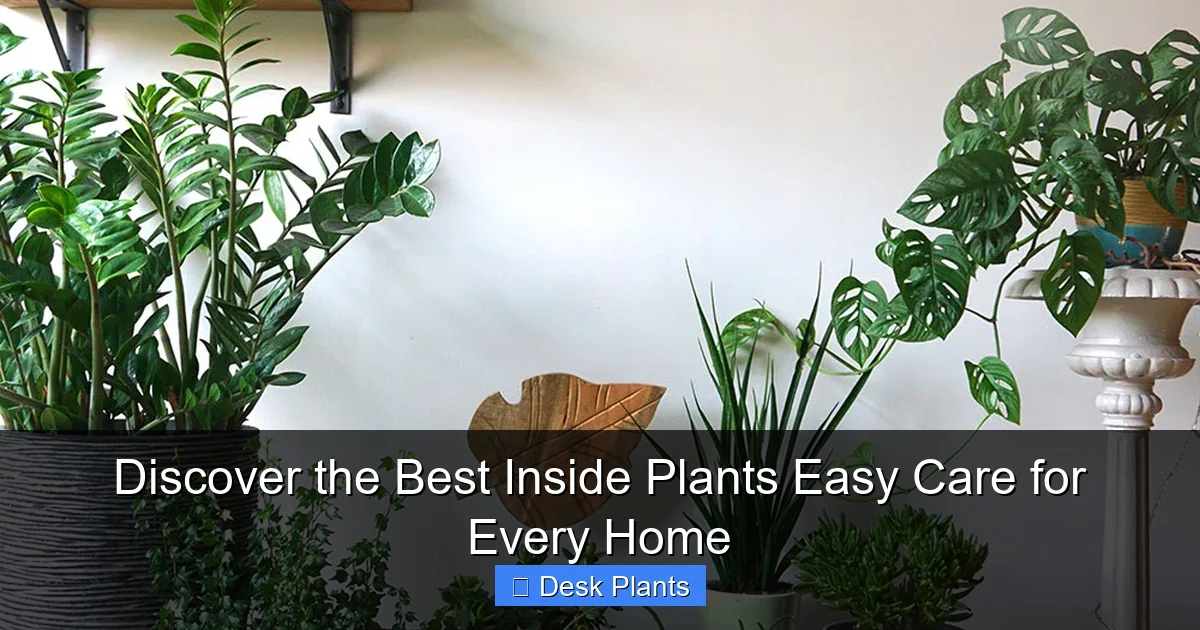
Visual guide about Discover the Best Inside Plants Easy Care for Every Home
Image source: contentgrid.homedepot-static.com
Assess Your Light: The #1 Factor for Success
Light is non-negotiable. Be brutally honest about what your desk actually gets:
- Bright, Direct Sun (4+ hours): South or west-facing windows. Great for succulents (like Jade Plants) or Bird of Paradise (if you have space!).
- Bright, Indirect Light (2-4 hours): East-facing windows or a few feet back from south/west. Ideal for best desk plants like ZZ Plants, Snake Plants, or Pothos.
- Low Light (Less than 2 hours direct sun): North-facing windows, rooms with only artificial light, or desks far from windows. This is where true “easy care” champions shine. Focus on ZZ Plants, Snake Plants, and Peace Lilies.
Pro Tip: Rotate your plant weekly if light comes from one side. This prevents lopsided growth and ensures even exposure.
Consider Your Watering Reality (Be Honest!)
How often do you *actually* remember to water? Be realistic:
- “I forget for weeks”: Choose drought-tolerant best desk plants like ZZ Plants, Snake Plants, or Cast Iron Plants. They store water in roots/leaves and thrive on neglect.
- “I water regularly but might overdo it”: Opt for plants that show clear signs when thirsty, like Peace Lilies (they droop dramatically) or Spider Plants (slightly wrinkled leaves).
- “I travel often”: Self-watering pots or moisture-retentive plants like Peace Lilies are your friends. Avoid moisture-sensitive varieties.
Remember: It’s always better to underwater than overwater. Most desk plant deaths come from soggy soil, not dry soil.
Factor in Space and Style
Measure your desk! A giant Fiddle Leaf Fig won’t fit next to your laptop. Consider:
- Small desks (under 3ft wide): Compact best desk plants like Mini ZZ Plants, Small Snake Plants (Sansevieria Hahnii), or Pothos in a hanging basket.
- Medium desks: Versatile options like standard ZZ Plants, Peace Lilies, or Spider Plants.
- Large desks or credenzas: Make a statement with taller Snake Plants, Bird of Paradise (if light allows), or a small Fiddle Leaf Fig.
Style Match: Sleek ZZ or Snake Plants for modern minimalism. Lush Pothos or Philodendron for bohemian vibes. Elegant Peace Lilies for classic spaces.
Step 2: Meet the Absolute Best Desk Plants for Easy Care (Our Top 5 Picks)
After testing dozens of varieties in real home offices, these five consistently win for resilience, air quality, and sheer ease. They’re the best desk plants for beginners and busy pros alike:

Visual guide about Discover the Best Inside Plants Easy Care for Every Home
Image source: media-cldnry.s-nbcnews.com
#1 The Unkillable Champion: ZZ Plant (Zamioculcas zamiifolia)
Why it’s perfect: Thrives in near-darkness, ignores irregular watering, and purifies air. Its glossy, dark green leaves add instant sophistication.
Light Needs: Low to bright indirect light. Tolerates fluorescent office lighting like a champ.
Watering: Water ONLY when soil is completely dry (stick your finger 2 inches down). Every 3-4 weeks is often enough, even less in winter.
Pro Care Tip: Wipe leaves monthly with a damp cloth to keep them shiny and dust-free. Toxic to pets – keep out of reach.
Why it’s a top desk plant: It’s the ultimate “set it and forget it” option. Perfect for forgetful waterers or dark corners.
#2 The Air-Purifying Powerhouse: Snake Plant (Sansevieria trifasciata)
Why it’s perfect: NASA-approved air cleaner (removes benzene, formaldehyde), releases oxygen at night, and survives extreme neglect.
Light Needs: Low to bright indirect light. Variegated types (like ‘Laurentii’) need a bit more light to maintain patterns.
Watering: Water deeply only when soil is 100% dry. Err on the side of underwatering – every 4-6 weeks is common.
Pro Care Tip: Use pots with drainage holes! Snake Plants rot easily in soggy soil. Toxic to pets.
Why it’s a top desk plant: Its upright, architectural shape fits any desk style, and it actively improves your breathing air.
#3 The Dramatic Hydrator: Peace Lily (Spathiphyllum)
Why it’s perfect: Blooms beautiful white flowers, loves humidity (great for dry offices), and *tells you* when it needs water (leaves droop).
Light Needs: Low to medium indirect light. Avoid direct sun, which burns leaves.
Watering: Water when the top inch of soil feels dry, or when leaves start to droop slightly. Keep soil consistently moist (not soggy).
Pro Care Tip: Mist leaves occasionally or place on a pebble tray for extra humidity. Toxic to pets – place strategically.
Why it’s a top desk plant: The drooping signal takes the guesswork out of watering, and the blooms add a cheerful touch.
#4 The Cascading Beauty: Pothos (Epipremnum aureum)
Why it’s perfect: Grows rapidly in water or soil, tolerates low light, and comes in stunning varieties (Golden, Marble Queen, Neon).
Light Needs: Low to bright indirect light. Variegation fades in very low light; bright light enhances colors.
Watering: Water when top 1-2 inches of soil are dry. Tolerates occasional drying out.
Pro Care Tip: Prune trailing vines to encourage bushier growth. Great for hanging baskets above your desk. Toxic to pets.
Why it’s a top desk plant: Its fast growth and trailing habit add dynamic greenery without taking up desk space.
#5 The Humidity Lover: Boston Fern (Nephrolepis exaltata)
Why it’s perfect: Exceptional air humidifier and purifier, with lush, feathery fronds that soften any workspace.
Light Needs: Bright, indirect light is ideal. Tolerates medium light but may grow slower.
Watering: Keep soil consistently moist (like a damp sponge). Water when top inch feels dry. Mist fronds daily in dry air.
Pro Care Tip: Place on a pebble tray filled with water (don’t let pot sit in water) for constant humidity. Non-toxic – pet-safe!
Why it’s a top desk plant: If you have decent light and don’t mind slightly more frequent watering, it’s incredibly rewarding and healthy.
Step 3: Mastering Simple Desk Plant Care (The Easy Way!)
Now that you’ve chosen your best desk plants, keep them thriving with these foolproof routines:
Visual guide about Discover the Best Inside Plants Easy Care for Every Home
Image source: tuigarden.co.nz
The Golden Rule: Watering Wisdom
Overwatering is the #1 killer. Follow this:
- Check, Don’t Guess: Stick your finger 1-2 inches into the soil. Water ONLY if it feels dry.
- Water Deeply, Then Drain: Pour water slowly until it runs out the drainage holes. Empty the saucer after 15 minutes – never let plants sit in water.
- Seasonal Shifts: Water less in winter (plants grow slower). More in summer (growth spurts, warmer temps).
Easy Care Hack: Use room-temperature water. Cold tap water can shock roots.
Light & Placement: Set Them Up for Success
- Rotate plants 90 degrees weekly for even growth.
- Keep plants away from cold drafts (AC vents) and hot radiators.
- If leaves stretch toward light (“etiolation”), move plant closer to the source.
Pro Tip: Dust blocks light! Wipe leaves gently with a damp microfiber cloth every 2-4 weeks.
Feeding & Fertilizing: Less is More
Desk plants don’t need much food:
- Use a balanced, water-soluble fertilizer (like 10-10-10) diluted to half strength.
- Feed only during active growth (spring/summer), once every 4-6 weeks.
- Skip fertilizing in fall/winter – plants are resting.
Remember: Over-fertilizing burns roots. When in doubt, don’t feed!
Potting & Repotting: Keep It Simple
- Use pots with drainage holes – non-negotiable!
- Repot only when roots fill the pot (you see roots growing out the drainage holes). This is usually every 1-2 years.
- Choose a pot only 1-2 inches larger in diameter than the current one. Too big = soggy soil.
Easy Care Hack: Add a layer of small stones or broken pottery at the pot’s bottom for extra drainage.
Step 4: Troubleshooting Common Desk Plant Problems (Don’t Panic!)
Even the best desk plants hit snags. Here’s how to fix the most common issues:
Yellow Leaves: The Usual Suspect is Overwatering
Symptoms: Leaves turn yellow, feel soft/mushy, soil stays wet.
Solution: Stop watering immediately. Remove yellow leaves. Let soil dry out completely. Check roots – if brown/mushy, trim rotten parts and repot in fresh, dry soil. Adjust your watering schedule.
Other Causes: Too much direct sun (scorch), nutrient deficiency (feed lightly), or natural aging (lower leaves yellow and drop).
Brown, Crispy Leaf Tips: Low Humidity or Underwatering
Symptoms: Tips of leaves turn brown and dry, feel crisp.
Solution: Increase humidity! Mist leaves daily, use a pebble tray, or group plants together. Ensure you’re watering thoroughly when soil is dry. Trim brown tips with clean scissors.
Other Causes: Fluoride in tap water (use filtered/rainwater), over-fertilizing.
Drooping Leaves: Thirst or Root Rot?
Symptoms: Leaves look limp and sad.
Solution: Check soil moisture first! If dry, water deeply. If wet, it’s likely root rot – follow the yellow leaves solution above. Peace Lilies droop dramatically when thirsty – they perk up within hours of watering.
Leggy Growth or Pale Leaves: Not Enough Light
Symptoms: Stems stretch long and thin, leaves are small and pale green.
Solution: Move plant to a brighter spot (indirect light). Rotate regularly. If light is truly insufficient, consider a low-wattage grow light (LED, 10-20W).
Pests (Mealybugs, Spider Mites): Catch Them Early!
Symptoms: White cottony spots (mealybugs), tiny webs (spider mites), sticky residue.
Solution: Isolate the plant. Wipe leaves with a cotton ball dipped in rubbing alcohol (test on one leaf first). Spray with insecticidal soap or neem oil solution. Repeat weekly for 3-4 weeks. Keep plants clean to prevent infestations.
Step 5: Level Up Your Desk Plant Game (Simple Upgrades)
Once your best desk plants are happy, try these easy enhancements:
Create a Mini Ecosystem
Group 2-3 compatible plants together. They’ll create their own humidity microclimate, reducing your care burden. Pair a tall Snake Plant with a trailing Pothos and a compact ZZ.
Get Creative with Containers
Swap nursery pots for stylish ceramic, concrete, or woven baskets (ensure they have drainage or use a plastic liner). This elevates your desk aesthetic instantly.
Propagate Your Plants (Free New Friends!)
Many best desk plants are easy to propagate:
- Pothos/Philodendron: Cut a stem with 3-4 leaves below a node. Place in water; roots appear in 1-2 weeks. Plant in soil.
- ZZ Plant: Gently separate “pups” (baby plants) growing at the base. Pot individually.
- Spider Plant: Snip off “spiderettes” (baby plants on stems). Root in water or plant directly.
Why propagate? Free plants for your desk, gifts for friends, or to refresh an overgrown parent plant.
Conclusion: Your Thriving Desk Oasis Awaits
You don’t need a jungle-sized space or a PhD in botany to enjoy the benefits of the best desk plants. By choosing resilient varieties like the ZZ Plant, Snake Plant, or Peace Lily – and following these simple, realistic care routines – you’ve unlocked a world of greenery that works for you, not the other way around. Remember: less water, honest light assessment, and a little patience are your superpowers.
These plants aren’t just decorations; they’re silent partners in your daily well-being. They clean your air, boost your mood, and bring a touch of nature’s calm to your hectic work life. Start small with one forgiving plant. Master its needs. Then, if you feel inspired, add another. Before you know it, your desk will be a vibrant, life-affirming oasis that makes every workday feel a little brighter, cleaner, and more connected to the natural world. Your perfect low-maintenance desk plant companion is waiting – go give it a home!
🎥 Related Video: Best houseplants to grow without care / Zero care indoor plants #short #plantidentification
📺 Wildmoss Nature Blog
Best houseplants to grow without care / Zero care indoor plants #short #plantidentification Low maintenance indoor plants indoor …