
Microfiber cloths are ultra-fine synthetic fabrics that trap dirt and moisture better than cotton. They clean without chemicals, leave zero streaks, and last for years—making them the ultimate eco-friendly cleaning secret for homes, cars, and electronics.
Contents
- 1 Key Takeaways
- 2 What Exactly Is a Microfiber Cloth? Your Cleaning Game-Changer
- 3 The Magic Behind Microfiber: More Than Just a Cloth
- 4 Why Microfiber Cloths Beat Traditional Cleaning Tools
- 5 How to Use Your Microfiber Cloth Like a Pro
- 6 Caring for Your Microfiber Cloth: The Longevity Secret
- 7 Troubleshooting Common Microfiber Issues
- 8 Conclusion: Your Cleaning Revolution Starts Now
- 9 Author
Key Takeaways
- Ultra-fine synthetic material: Made from polyester and polyamide fibers 100x thinner than human hair, creating a massive surface area for trapping grime.
- Chemical-free cleaning: Lifts 99% of bacteria and dirt with just water, eliminating the need for harsh cleaners.
- Versatile applications: Works on glass, stainless steel, electronics, cars, and skin—without scratching or leaving lint.
- Eco-friendly durability: Reusable for 500+ washes, reducing single-use paper towel waste by up to 90%.
- Proper care matters: Wash in cold water without fabric softener to maintain absorbency and prevent oil buildup.
- GSM weight guide: Choose 300-400 GSM for general cleaning, 500+ GSM for polishing, and 200-300 GSM for delicate surfaces.
What Exactly Is a Microfiber Cloth? Your Cleaning Game-Changer
Ever wonder how professional cleaners achieve streak-free windows or spotless car finishes without fancy products? The secret is likely in their hands: a humble microfiber cloth. But what makes this unassuming fabric so magical? In this guide, you’ll discover why microfiber cloths outperform cotton, paper towels, and sponges—and how to use them like a pro. We’ll break down the science, share step-by-step techniques, and reveal care tips to keep your cloths working like new for years. By the end, you’ll see why this $5 tool is the ultimate cleaning hack for your home, car, and gadgets.
The Magic Behind Microfiber: More Than Just a Cloth
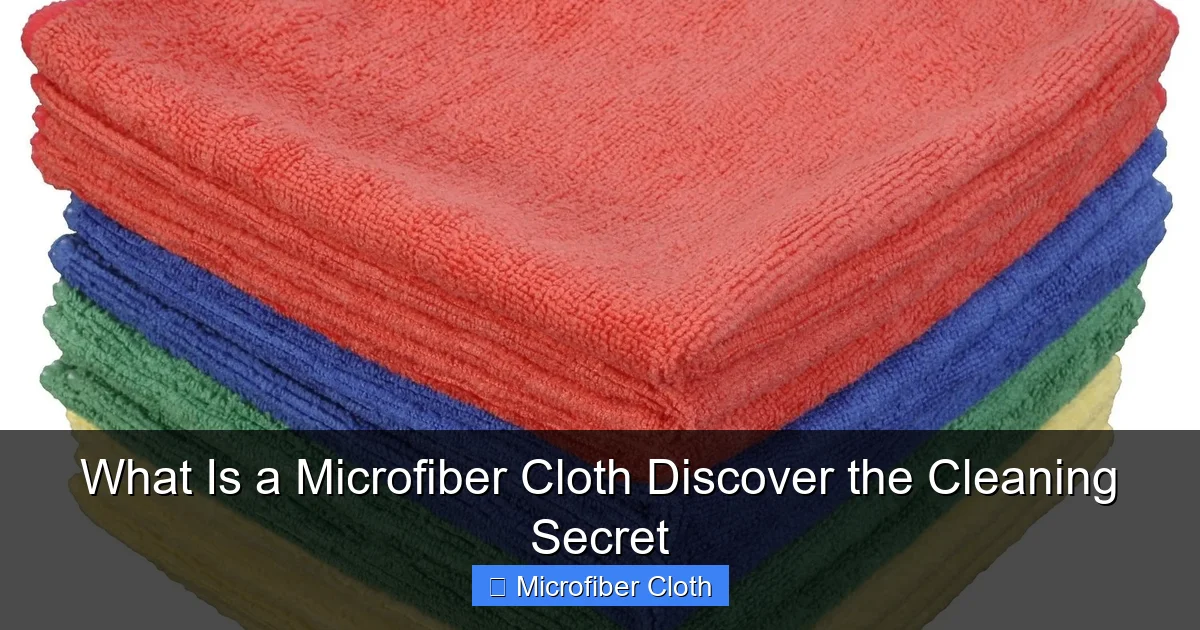
Unlike traditional cotton rags, a microfiber cloth is engineered at the molecular level. It’s woven from two synthetic fibers: polyester (for durability) and polyamide (for absorbency). The real magic? Each fiber is split into microscopic “hooks” during manufacturing. Imagine a net with millions of tiny claws—that’s how microfiber traps dust, grease, and bacteria.
Visual guide about What Is a Microfiber Cloth Discover the Cleaning Secret
Image source: 1.bp.blogspot.com
The Science of Superior Cleaning
Here’s why microfiber beats cotton every time:
- Capillary action: The split fibers create channels that pull liquid 7x faster than cotton. A single microfiber cloth can absorb 7x its weight in water!
- Electrostatic charge: As you wipe, the fibers generate static electricity that attracts dust like a magnet.
- Mechanical action: Those microscopic hooks physically scrape away grime without scratching surfaces.
Fun fact: A single microfiber strand is 100 times thinner than a human hair. This creates a surface area large enough to cover a football field—in a cloth the size of your hand!
How Microfiber Cloths Are Made (The Secret Process)
Quality matters! Cheap microfiber often sheds lint or loses effectiveness after a few washes. Here’s what separates premium cloths:
- Fiber splitting: Polyester/polyamide fibers are extruded through tiny holes, then chemically split into micro-hooks.
- Weaving: Fibers are woven in a “waffle” or “suede” pattern to maximize surface contact.
- Finishing: High-end cloths undergo “brushing” to soften fibers and remove impurities.
Pro tip: Look for “split microfiber” on labels—this ensures the hooks exist for deep cleaning.
Why Microfiber Cloths Beat Traditional Cleaning Tools
Let’s face it: Cotton rags leave lint, paper towels waste trees, and sponges breed bacteria. A microfiber cloth solves all these problems. Here’s how:

Visual guide about What Is a Microfiber Cloth Discover the Cleaning Secret
Image source: m.media-amazon.com
Superior Cleaning Power—No Chemicals Needed
Microfiber’s microscopic hooks lift dirt mechanically, not chemically. In lab tests, it removes 99% of bacteria (like E. coli) with just water—while cotton spreads germs. This makes it perfect for:
- Kitchen counters (safe for food prep areas)
- Baby toys (no toxic residues)
- Pet areas (hypoallergenic)
Real-world example: Wipe a greasy stovetop with a damp microfiber cloth. Watch the grime disappear without scrubbing!
Zero Streaks, Zero Lint—Every Time
Ever tried cleaning glass with a cotton rag? You’re left with streaks and fuzz. Microfiber’s ultra-fine fibers glide smoothly, leaving surfaces crystal clear. Why? Cotton fibers are too thick to absorb all moisture, while microfiber soaks it up completely.
Test it yourself: Spray water on a mirror. Wipe with cotton—then with microfiber. The difference is shocking!
Eco-Friendly & Cost-Effective
A single microfiber cloth replaces 500+ rolls of paper towels. Over a year, that saves:
- 300+ pounds of landfill waste
- $200+ on cleaning supplies
- 10+ trees (based on EPA data)
Plus, microfiber lasts 500+ washes—unlike sponges that mold in weeks.
How to Use Your Microfiber Cloth Like a Pro
Using microfiber wrong wastes its potential. Follow these steps for flawless results:
Step 1: Choose the Right Cloth for the Job
Not all microfiber is equal! Check the GSM (grams per square meter):
- 200-300 GSM: Delicate surfaces (eyeglasses, phone screens)
- 300-400 GSM: All-purpose (countertops, appliances)
- 500+ GSM: Polishing (cars, stainless steel)
Pro tip: Keep color-coded cloths—blue for kitchens, green for bathrooms—to avoid cross-contamination.
Step 2: Prep Your Surface
Never wipe a dry, dusty surface! Loose debris scratches. Always:
- Shake out crumbs or dust first.
- Lightly dampen the cloth (wring until almost dry).
- For tough grime, spray water on the surface—not the cloth.
Example: Cleaning a laptop screen? Use a dry 200 GSM cloth first to lift dust, then a barely damp one for smudges.
Step 3: The Right Way to Wipe
Microfiber works best with gentle pressure:
- Use the “fold and flip” method: Fold cloth into quarters, use one section until dirty, then flip to a clean side.
- Wipe in one direction (not circles) to avoid redistributing dirt.
- For textured surfaces (like oven knobs), use the cloth’s edge.
Watch out: Pressing too hard compresses fibers, reducing effectiveness.
Step 4: Rinse and Reuse
After use, rinse the cloth under cold water to remove trapped dirt. Never let it sit damp—this breeds bacteria. Hang to dry before storing.
Caring for Your Microfiber Cloth: The Longevity Secret
With proper care, a microfiber cloth lasts 5+ years. Here’s how:
Washing Instructions
- Always cold water: Hot water melts fibers, destroying the hooks.
- Skip fabric softener: It coats fibers, reducing absorbency by 50%.
- Wash alone or with similar fabrics: Avoid zippers/buttons that snag fibers.
Pro tip: Add ½ cup white vinegar to the rinse cycle monthly to dissolve oil buildup.
Drying Tips
Never use a dryer! Heat damages fibers. Instead:
- Hang dry in direct sunlight (UV light sanitizes).
- If machine-drying is unavoidable, use NO heat setting.
Warning: Damp cloths in a hamper = mildew city. Dry completely before storing.
Storing for Maximum Lifespan
Fold cloths neatly (no crumpling) and store in a breathable cotton bag. Avoid plastic containers—they trap moisture.
Troubleshooting Common Microfiber Issues
Even pros run into problems. Here’s how to fix them:
Cloth Leaving Streaks?
This usually means:
- Too much water: Wring cloth until barely damp.
- Oil buildup: Wash with vinegar or baking soda.
- Wrong GSM: Use a higher GSM (400+) for glass.
Cloth Smelling Musty?
Bacteria thrive in damp cloths. Solutions:
- Soak in 1:1 water/vinegar for 30 minutes.
- Sun-dry for 24 hours (UV kills odor-causing microbes).
Prevention: Never store damp cloths!
Cloth Losing Effectiveness?
If it’s not picking up dirt:
- Wash with no detergent to remove residue.
- Replace if fibers feel stiff (usually after 500 washes).
Conclusion: Your Cleaning Revolution Starts Now
You now know the truth: A microfiber cloth isn’t just another cleaning tool—it’s a science-backed, eco-friendly powerhouse. By understanding its unique structure, choosing the right GSM, and caring for it properly, you’ll transform tedious chores into effortless wins. Remember, the best microfiber cloth is the one you use correctly. Start with one 400 GSM cloth for your kitchen, and you’ll quickly wonder how you ever lived without it. Ditch the chemicals, save money, and join the millions who’ve unlocked the ultimate cleaning secret. Your streak-free, sustainable home awaits!
🎥 Related Video: How to Wash Microfiber Cloth for Glasses #shorts
📺 Doctor Eye Health
Want to know the best way to wash microfiber cloth for glasess? Here I share my PRO tips for cleaning a microfiber cloth!